


Why Choosing the Wrong Rice Paper Costs Your Business More Than You Think
Many importers, distributors, and private label brands experience the same issue when sourcing rice paper:
- Product samples perform well during testing
- But operational problems appear after scaling production or entering the market
Sheets tear during handling, fail to maintain structure, or behave inconsistently across batches.
Most buyers initially assume the issue comes from the supplier. However, in many cases, the real problem is different:
👉 The selected rice paper specification does not match the actual commercial application.
This is why working directly with experienced rice paper manufacturers is important, especially for businesses planning to scale internationally.
Why rice paper performs well during testing but fails in real operations
Most sample testing environments are controlled:
- Skilled handling
- Immediate preparation
- Stable humidity conditions
Commercial operations are completely different.
Products may go through:
- Long-distance shipping
- Warehouse storage
- Multiple handling stages
- Different user skill levels
As a result, a rice paper product that performs perfectly during sampling may become unstable in actual distribution environments.
This is one reason why many global buyers increasingly source from specialized rice paper manufacturers Vietnam with export experience rather than general trading companies.
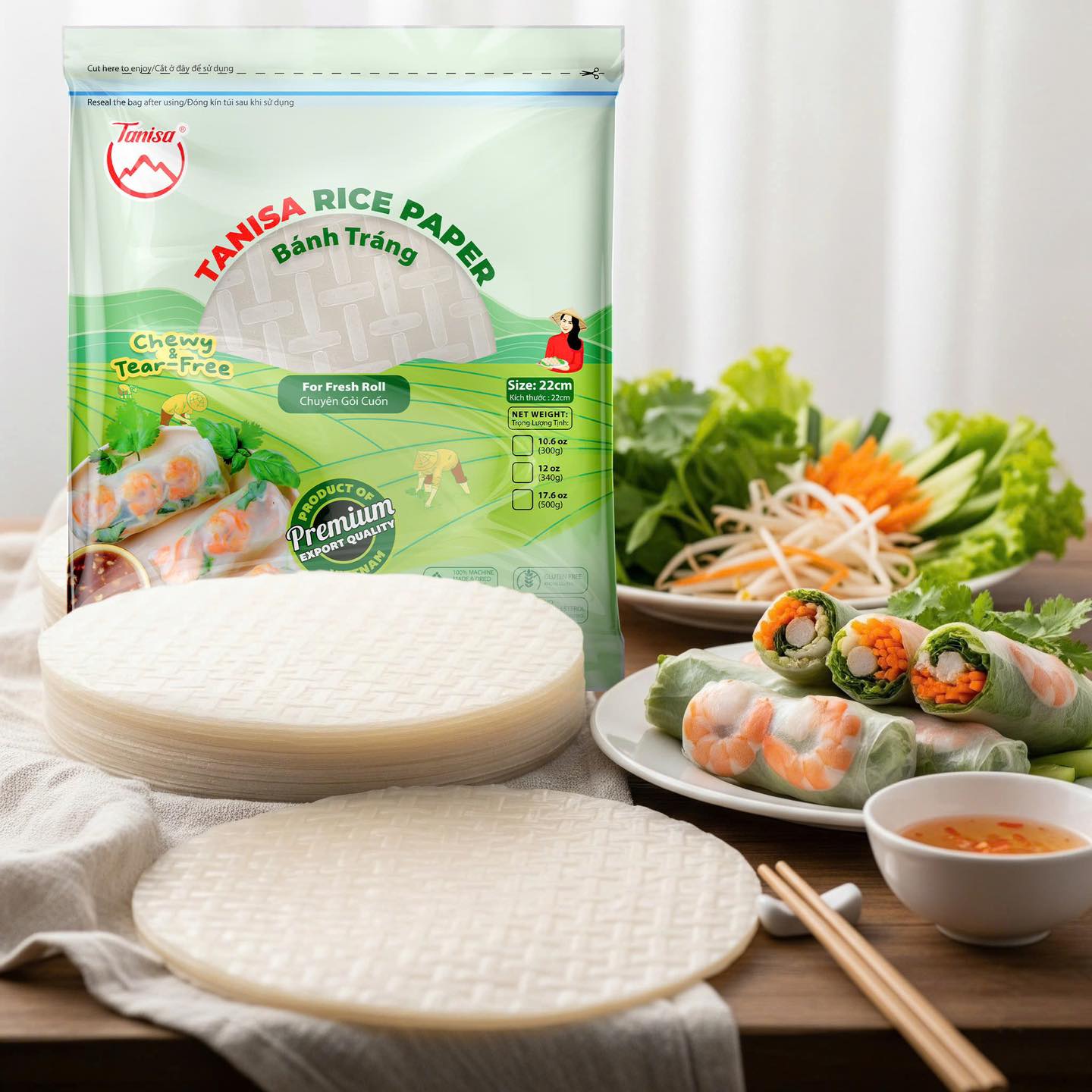
Tanisa rice paper
Three common situations where rice paper fails commercially
1. Retail packaged products
Retail products must maintain:
- Structural integrity
- Visual consistency
- Shelf stability
If the rice paper is too thin or sensitive to humidity:
- Cracking may occur inside packaging
- Product appearance deteriorates during transportation
This creates product returns and damages retail relationships.
2. Food service and restaurant chains
In restaurant operations:
- Staff work under time pressure
- Product consistency is critical
If rice paper requires highly skilled handling:
- Preparation speed decreases
- Failure rates increase
For businesses developing menu systems around rice paper rolls, selecting a stable and operationally efficient rice paper specification becomes more important than choosing the cheapest option.
3. Meal kits and ready-to-eat solutions
Meal kits are growing rapidly in North America and Europe.
However, end consumers:
- Are not professional chefs
- Use products in uncontrolled home environments
If rice paper becomes sticky, tears easily, or loses flexibility quickly, the customer experience declines significantly.
This is particularly important for brands developing premium Vietnamese rice paper rolls targeting healthy food consumers.
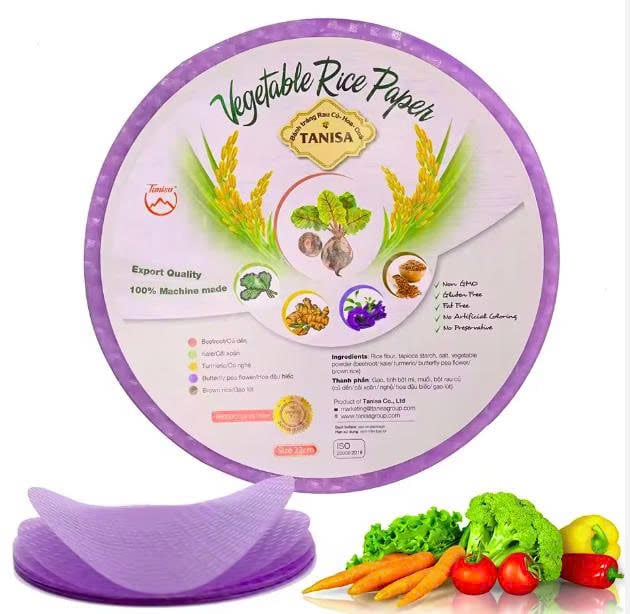
Selecting a stable and operationally efficient rice paper specification becomes more important than choosing the cheapest option.
The hidden operational cost of selecting the wrong rice paper
Many buyers focus only on:
- Price per kilogram
- FOB cost
- Container pricing
But the hidden costs are often much larger:
- Product breakage
- Waste during preparation
- Customer complaints
- Product inconsistency
- Brand reputation damage
In large-scale food operations, even small material inconsistencies can significantly affect profitability.
How to choose rice paper based on business model
Importers and distributors
Importers typically require:
- Stable specifications
- Broad usability across customers
- Low complaint rates
Versatility is often more important than premium positioning.
Private label brands
Private label brands focus heavily on:
- Batch consistency
- Brand perception
- Product differentiation
This often requires closer collaboration with OEM-capable suppliers.
Food service operators
Restaurant chains prioritize:
- Ease of handling
- Speed of preparation
- Operational consistency
The ideal rice paper is not necessarily the “best tasting,” but the one with the lowest operational failure rate.
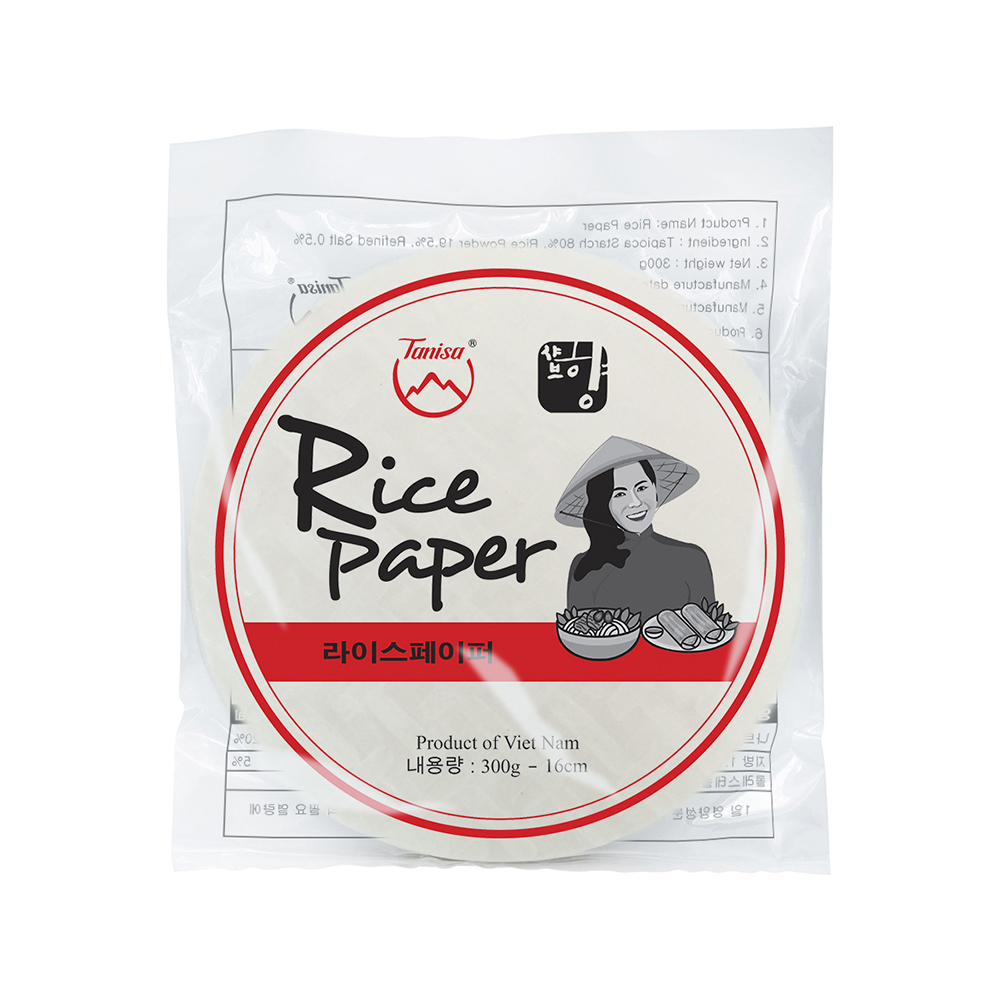
The ideal rice paper is not necessarily the “best tasting,” but the one with the lowest operational failure rate.
A practical framework for evaluating rice paper
Before selecting a product, buyers should evaluate:
1. Application
Where will the product be consumed?
- Retail
- Restaurant
- Meal kit
- Industrial food production
2. User handling
Who will handle the product?
- Professional chefs
- Kitchen staff
- Consumers
3. Distribution conditions
How long must the product remain stable?
- Immediate use
- Refrigerated retail
- International shipping
These three factors influence most sourcing decisions.
Why Vietnam continues to lead the rice paper industry
Vietnam has become one of the world’s most important rice paper production hubs due to:
- Access to rice raw materials
- Skilled manufacturing expertise
- Strong OEM capabilities
- Competitive export pricing
Today, many international buyers work directly with rice paper manufacturers Vietnam to improve supply chain efficiency and reduce sourcing risk.
Conclusion
The biggest sourcing mistake is often not choosing the wrong supplier—
👉 but choosing the wrong product specification from the beginning.
Rice paper should not be viewed as a simple commodity ingredient.
It is a critical operational component that directly impacts:
- Product stability
- Customer experience
- Scalability
- Brand perception
If your business is:
- Scaling production
- Expanding into retail distribution
- Developing private label products
- Or facing consistency issues during growth
👉 The next step is not simply changing suppliers, but reassessing whether your current rice paper specification truly fits your operational model.
Learn more about:
- Rice Paper Manufacturers
- Rice Paper Rolls
Or contact Tanisa Group for application-based consultation and OEM support.
TANISA FOODS JSC, a strong brand in the market for the production and distribution of specialty products (rice paper, rice noodles...) and spices (seasoning) which exported to some countries such as USA, France, South Korea, Japan, Russia, Brunei...
TANISA FOODS JSC
Factory add 1: 188 Lac Long Quan Street, Quarter 3, Tan Ninh Ward, Tay Ninh Province, Vietnam
Factory add 2: Phu Hoa Dong, Cu Chi, Ho Chi Minh City, Viet Nam
Office in HCMC: 18th Floor, Vincom Building, 72 Le Thanh Ton Street, District 1, Ho Chi Minh City, Vietnam
Warehouse in HCMC: 2/3 Binh Gia, Tan Binh District, Ho Chi Minh City, Vietnam
Hotline: +84 938 118 699 (WhatsApp/WeChat), +84 938 198 299 (Zalo)




Email: marketing@tanisagroup.com
Website: www.tanisagroup.com
Facebook: Tanisa Foods JSC
Instagram: @tanisa_foods
Youtube: Tanisa Kitchen

Xem thêm