


Best Rice Paper: Why Different Markets Define Quality Differently
Many buyers searching for “best rice paper” assume there is a single product that stands above all others. In reality, different markets, customer groups, and food applications often have very different expectations. What is considered the best rice paper in one country may not necessarily be the best choice in another.
When people search for "best rice paper," they are often looking for the highest-quality product available.
However, in global food markets, quality is rarely defined by a single standard.
An importer in the United States, a supermarket buyer in Europe, a restaurant chain in Australia, and a food distributor in Japan may all evaluate rice paper differently.
This raises an important question:
What actually makes rice paper the "best"?
The answer often depends on who is buying it, how it will be used, and which market it serves.
Best Rice Paper: Why Different Markets Define Quality Differently
The Best Rice Paper for One Market May Not Be the Best for Another
Food preferences vary significantly across regions.
Consumer expectations, culinary traditions, packaging preferences, and retail trends all influence how rice paper is evaluated.
As a result, professional buyers rarely ask:
"Which rice paper is the best?"
Instead, they ask:
"Which rice paper is best for my market?"
This distinction is critical in international food distribution.
What Buyers in the United States Often Look For
In the U.S. market, consumers increasingly value:
- Gluten-free foods
- Plant-based lifestyles
- Clean-label products
- Convenient home cooking
As a result, many importers prioritize rice paper that is:
- Easy to handle
- Flexible after hydration
- Suitable for beginners
- Consistent in performance
For American consumers, user experience often matters as much as authenticity.
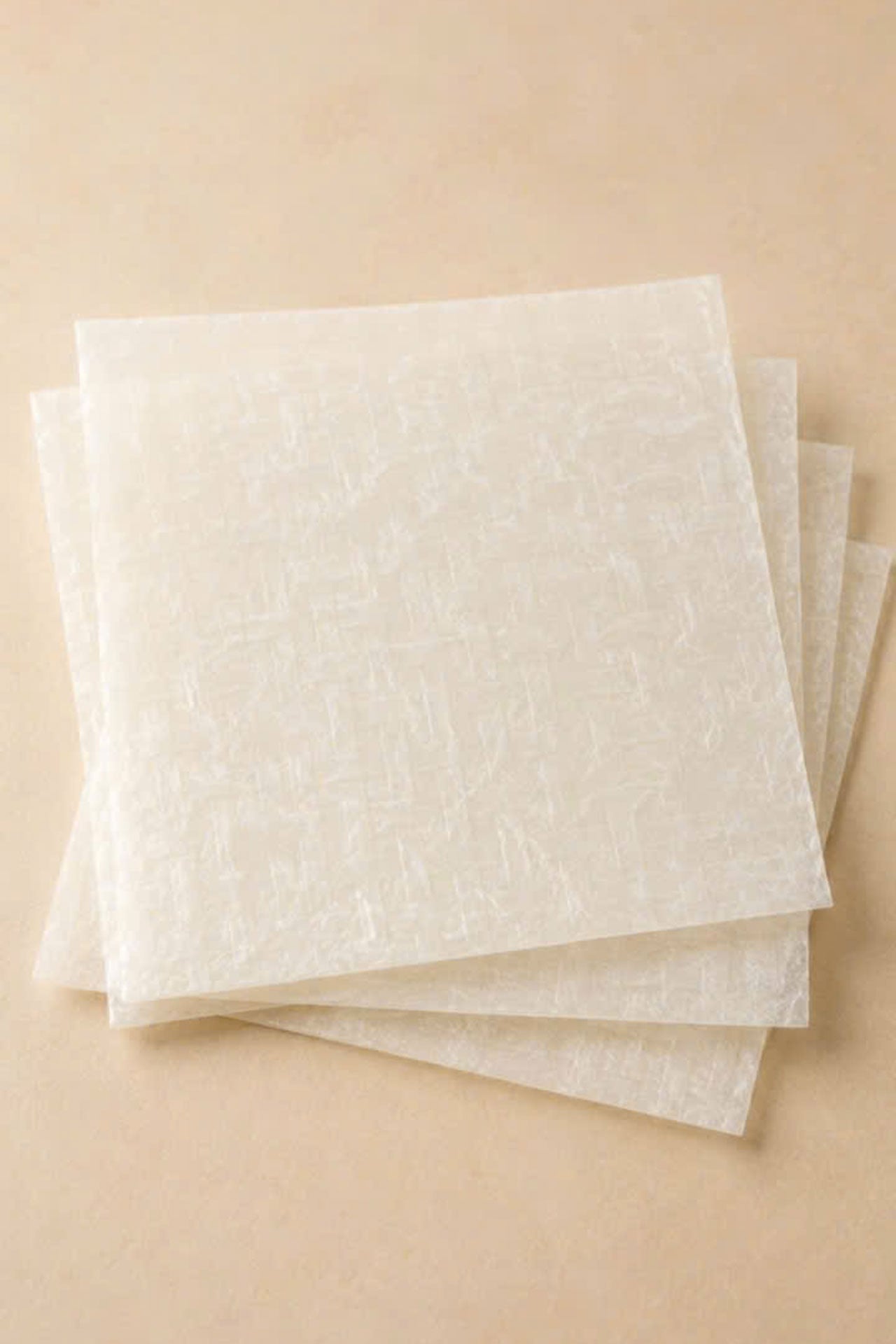
A rice paper product that tears easily or requires advanced preparation may create frustration, even if it is traditionally made.
A rice paper product that tears easily or requires advanced preparation may create frustration, even if it is traditionally made.
European Buyers Often Focus on Storytelling and Origin
Across many European markets, food products are increasingly evaluated through their story and identity.
Consumers are interested in:
- Product origin
- Cultural heritage
- Ingredient transparency
- Traditional food culture
This is one reason why authentic Vietnamese rice paper continues gaining attention throughout Europe.
For many retailers, rice paper is not simply a food ingredient.
It is part of a larger narrative about Vietnamese cuisine, Asian food culture, and authentic culinary experiences.
Labels such as:
- Made in Vietnam
- Authentic Vietnamese Rice Paper
- Traditional Vietnamese Food
can help strengthen product positioning and consumer trust.
Food Service Businesses Have Different Priorities
Restaurants and food service operators evaluate rice paper differently from retail consumers.
Their primary concern is operational efficiency.
For professional kitchens, the best rice paper is often the one that helps staff work faster and more consistently.
Important considerations include:
- Easy handling
- Reliable wrapping performance
- Low breakage rates
- Consistency during busy service periods
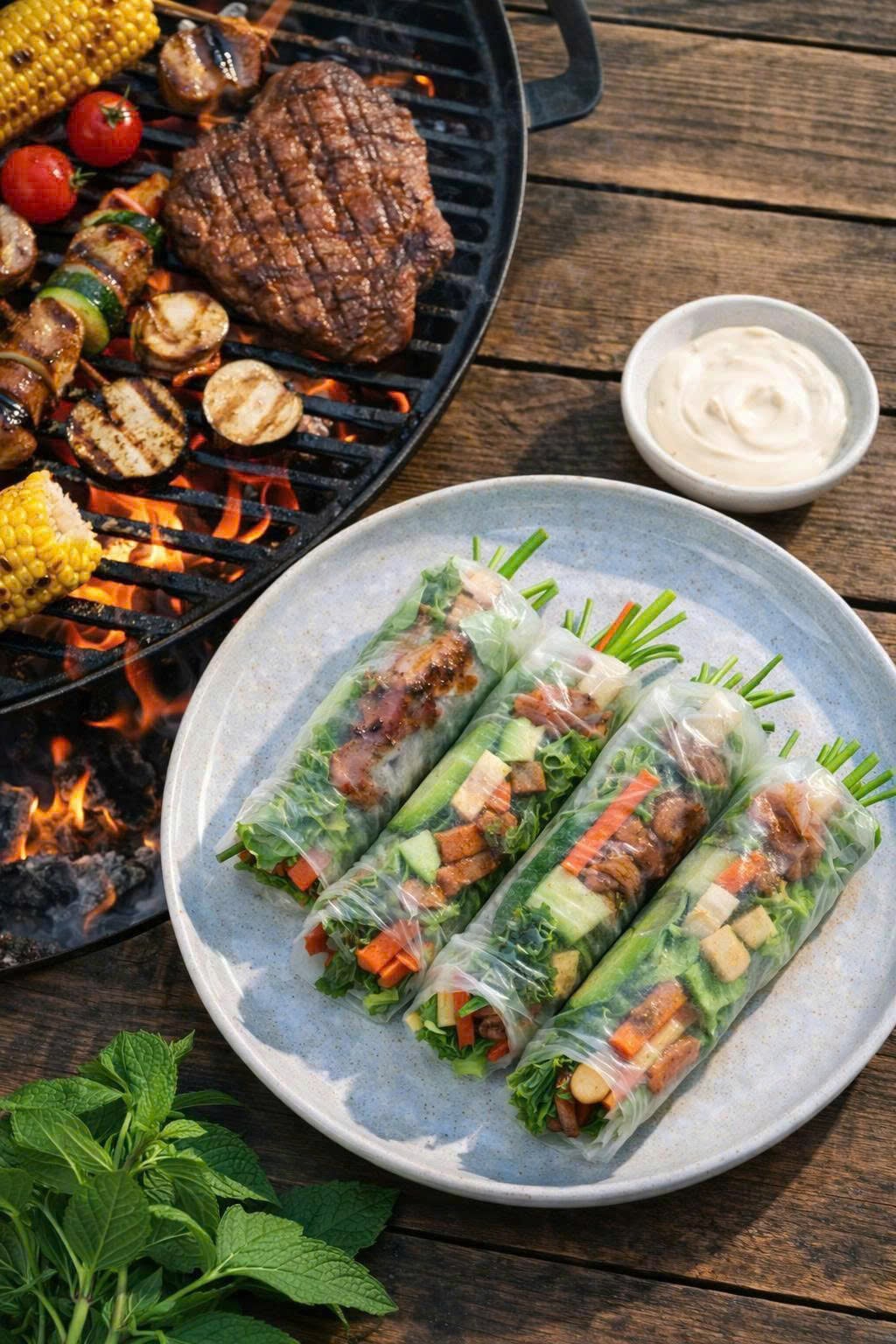
A product that performs well in a restaurant environment can help improve workflow, reduce waste, and support a better customer experience.
A product that performs well in a restaurant environment can help improve workflow, reduce waste, and support a better customer experience.
Retail Brands Look Beyond the Product Itself
Retail success depends on more than product quality alone.
Many retail brands evaluate rice paper based on:
- Packaging design
- Shelf appeal
- Consumer education
- Brand storytelling
- Market positioning
A high-quality product may still struggle if consumers do not understand how to use it or if it fails to stand out on crowded supermarket shelves.
For retailers, the best rice paper is often the one that combines quality with strong commercial appeal.
How Consumer Trends Are Changing the Definition of “Best”
Consumer preferences continue evolving worldwide.
Today’s buyers increasingly seek products that are:
- Gluten-free
- Plant-based
- Natural
- Culturally authentic
- Suitable for healthy lifestyles
As these trends continue growing, the definition of "best rice paper" is changing as well.
A product that performed well ten years ago may not fully meet the expectations of modern consumers.
The most successful suppliers are those that understand how market demands evolve over time.
So, What Is the Best Rice Paper?
There is no universal answer.
The best rice paper is not necessarily the most expensive, the thinnest, or the most traditional.
Instead, it is the product that best aligns with:
- Market expectations
- Consumer preferences
- Distribution channels
- Food applications
For a restaurant, the best rice paper may be the easiest to work with.
For a retailer, it may be the most attractive on the shelf.
For an importer, it may be the most reliable long-term supply option.
And for consumers, it may simply be the product that delivers the best experience at home.
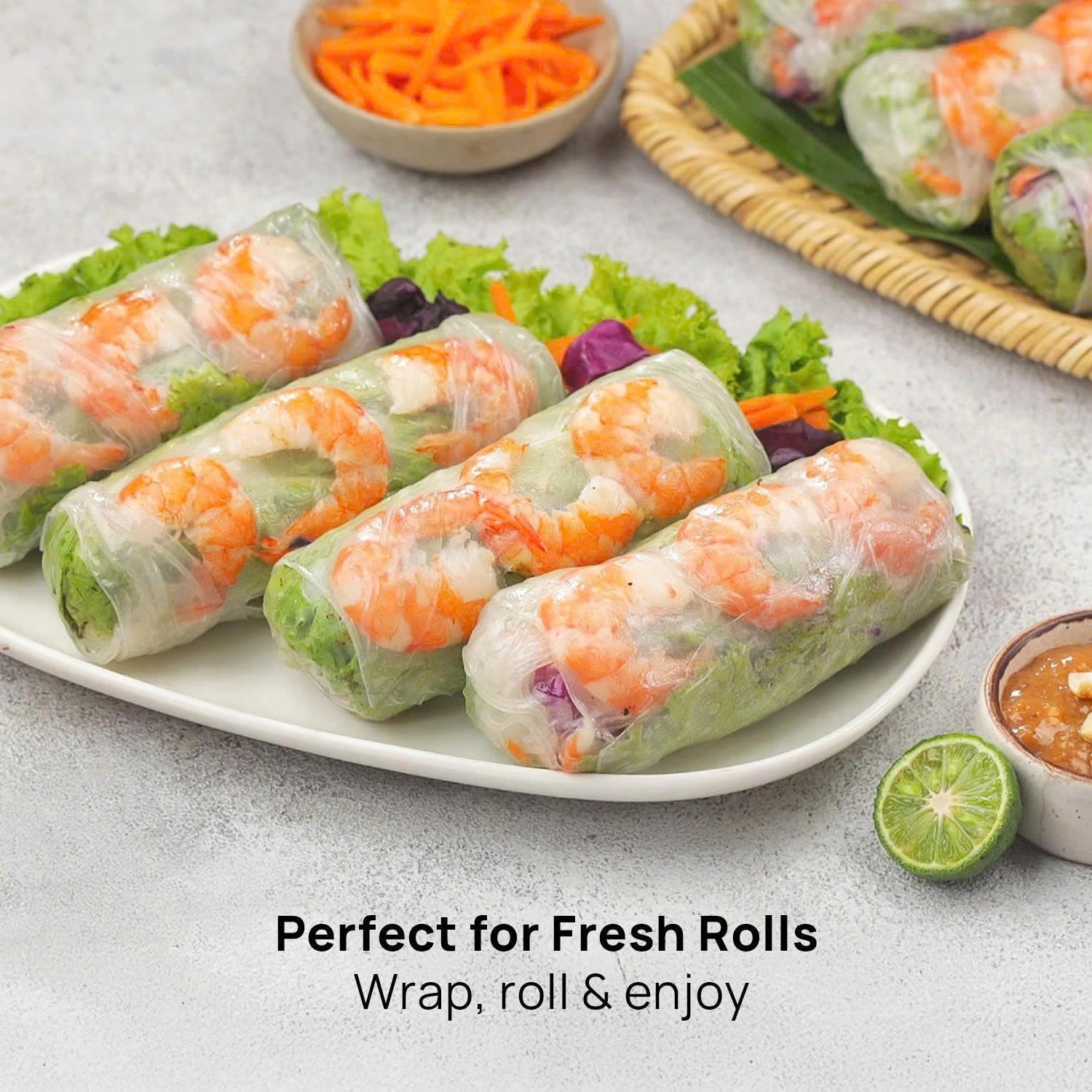
The best rice paper is not necessarily the most expensive, the thinnest, or the most traditional.
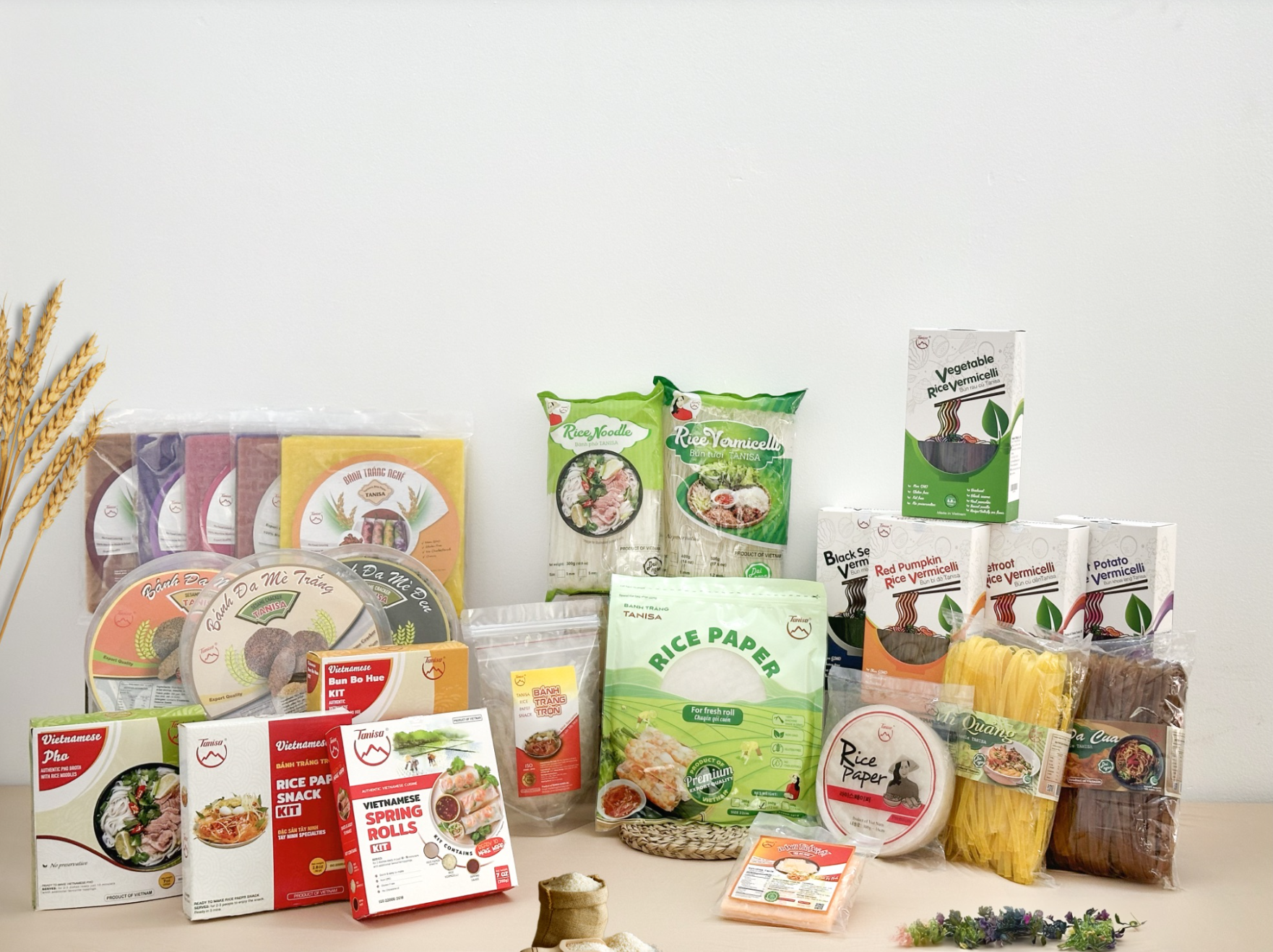
Understanding Market Needs: The Tanisa Perspective
Through years of supplying international markets, Tanisa has observed that every region has unique requirements.
Different buyers often prioritize different factors, including:
- Product size
- Texture
- Thickness
- Packaging format
- Labeling requirements
Understanding these differences is often more important than pursuing a one-size-fits-all approach.
Successful international food businesses recognize that adapting to market needs creates stronger long-term growth opportunities.
Conclusion
When buyers search for "best rice paper," they are not necessarily searching for a single product.
They are searching for the right product for their specific market.
In today's global food industry, success comes from understanding customer expectations rather than assuming all markets value the same characteristics.
Ultimately, the best rice paper is the one that best meets the needs of the people who use it.
See more:
- Rice Paper
- Vietnamese Rice Paper
- Rice Paper Sheet
- Roll of Rice Paper
- Rice Paper Manufacturer Vietnam
TANISA FOODS JSC, a strong brand in the market for the production and distribution of specialty products (rice paper, rice noodles...) and spices (seasoning) which exported to some countries such as USA, France, South Korea, Japan, Russia, Brunei...
TANISA FOODS JSC
Factory add 1: 188 Lac Long Quan Street, Quarter 3, Tan Ninh Ward, Tay Ninh Province, Vietnam
Factory add 2: Phu Hoa Dong, Cu Chi, Ho Chi Minh City, Viet Nam
Office in HCMC: 18th Floor, Vincom Building, 72 Le Thanh Ton Street, District 1, Ho Chi Minh City, Vietnam
Warehouse in HCMC: 2/3 Binh Gia, Tan Binh District, Ho Chi Minh City, Vietnam
Hotline: +84 938 118 699 (WhatsApp/WeChat), +84 938 198 299 (Zalo)




Email: marketing@tanisagroup.com
Website: www.tanisagroup.com
Facebook: Tanisa Foods JSC
Instagram: @tanisa_foods
Youtube: Tanisa Kitchen

Xem thêm