



Rice Paper Sheet: Why Specifications Matter More Than Most Buyers Think
Many buyers focus on size and thickness when evaluating rice paper sheets. However, the true impact of product specifications goes far beyond technical measurements. The right rice paper sheet can improve customer experience, food presentation, and product success in both retail and food service markets.
Introduction
When buyers source rice paper sheets, they often compare specifications such as:
- Diameter
- Thickness
- Weight
- Packaging format
While these technical details are important, they are only part of the story.
What ultimately matters is how those specifications affect the people who use the product.
For consumers, chefs, restaurants, and retailers, a rice paper sheet is not judged by numbers alone.
It is judged by performance.

For consumers, chefs, restaurants, and retailers, a rice paper sheet is not judged by numbers alone. It is judged by performance.
A Small Difference Can Create a Completely Different Experience
Two rice paper sheets may look almost identical on paper.
They may have similar sizes, similar ingredients, and similar packaging.
Yet when consumers begin using them, the experience can be dramatically different.
One may:
- Soften evenly
- Wrap easily
- Hold ingredients securely
While another may:
- Tear during wrapping
- Become overly sticky
- Feel difficult to handle
This is why specifications should always be evaluated based on their impact on usability.
Thickness Directly Influences Consumer Satisfaction
Thickness is often viewed as a technical specification.
In reality, it strongly affects customer perception.
If a rice paper sheet is too thin:
- It may tear easily
- Wrapping becomes difficult
- Product waste increases
If it is too thick:
- Texture may feel heavy
- Rolls may become less enjoyable to eat
- Consumers may perceive the product as less authentic
The ideal thickness depends on the intended application and market preference.
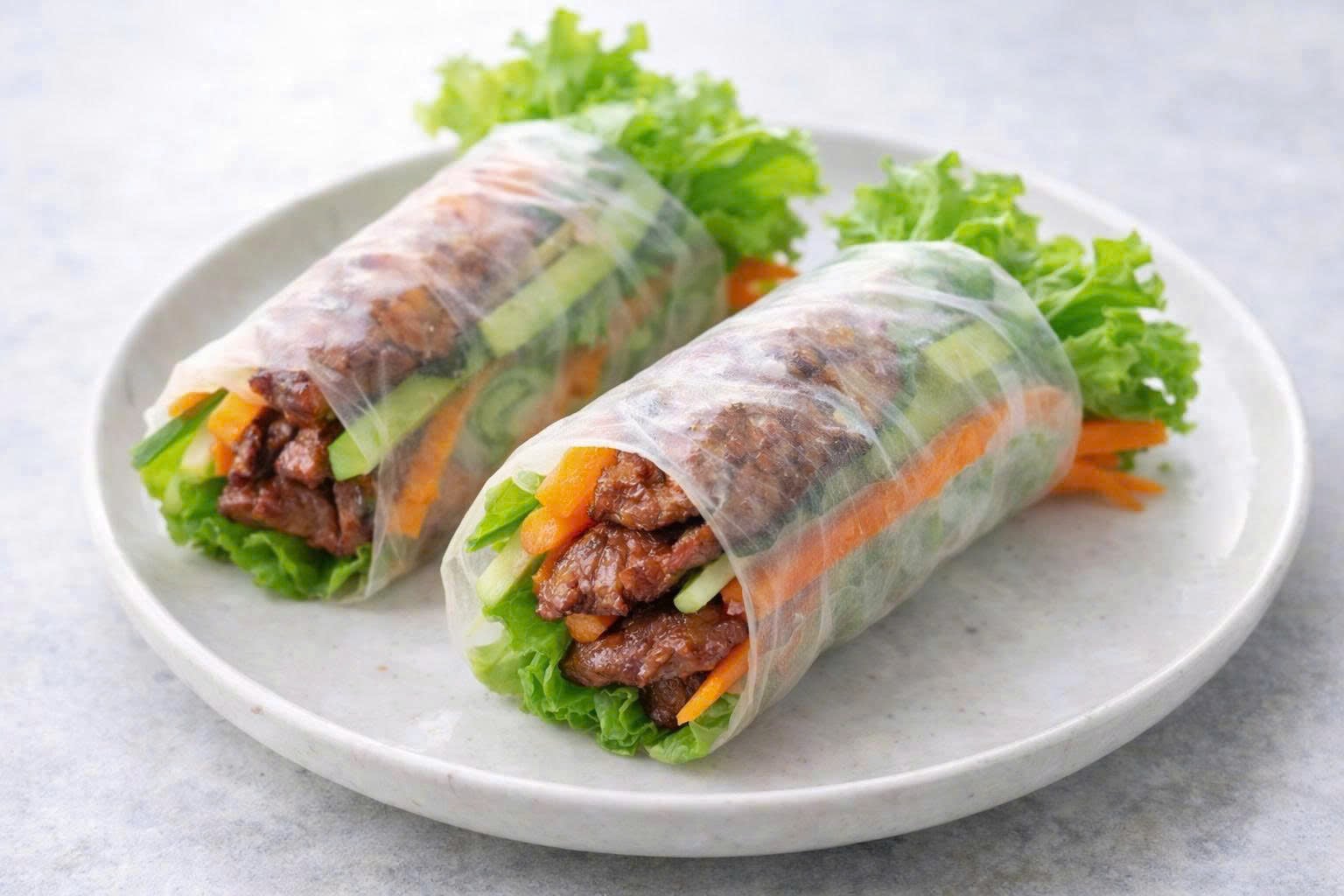
If a rice paper sheet is too thin It may tear easily
Why Flexibility Is More Important Than Size
Many buyers focus heavily on dimensions.
However, flexibility often plays a much larger role in user satisfaction.
Consumers expect rice paper sheets to:
- Hydrate quickly
- Remain flexible
- Resist cracking
- Maintain structure after wrapping
A well-balanced product creates confidence for both home cooks and professional kitchens.
The Food Service Perspective
For restaurants, rice paper sheet performance directly affects operations.
Kitchen staff need products that:
- Save preparation time
- Reduce breakage
- Deliver consistent results
Even minor inconsistencies can slow service during busy periods.
For restaurant chains, product consistency is often more valuable than small cost differences.
Retail Buyers Think About Consumer Success
Retailers understand that customer satisfaction drives repeat purchases.
If consumers struggle to use a product, they may not buy it again.
As a result, many retail buyers evaluate rice paper sheets based on:
- Ease of use
- Consumer-friendly performance
- Reliability during preparation
- Overall product experience
The best rice paper sheet is often the one that helps consumers succeed the first time they use it.
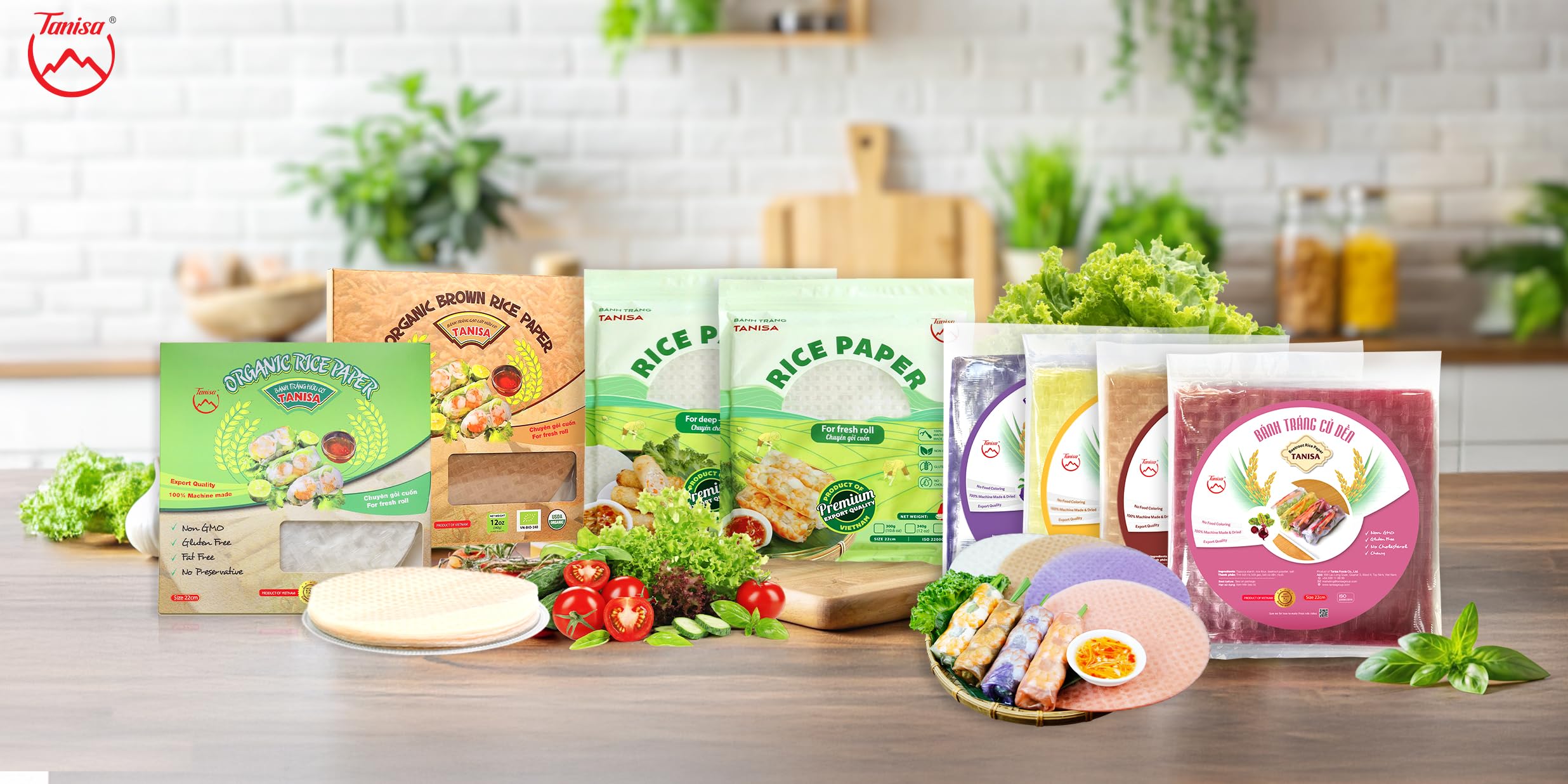
The best rice paper sheet is often the one that helps consumers succeed the first time they use it.
Different Markets Prefer Different Specifications
Consumer expectations vary globally.
North American buyers often prefer products that are easy to use and beginner-friendly.
European consumers may place greater emphasis on authenticity and traditional food experiences.
Japanese buyers frequently focus on consistency and precision.
As a result, there is no single rice paper sheet specification that fits every market.
Understanding local preferences is essential.
Why Rice Paper Sheet Specifications Affect Product Applications
One factor that is often overlooked during product selection is application suitability.
Not every rice paper sheet is designed for the same purpose.
Different food applications may require different performance characteristics depending on how the product will be used.
For example:
- Fresh spring rolls often require sheets that soften quickly and remain flexible.
- Food service operations may prioritize products that allow faster preparation.
- Ready-to-eat meal manufacturers may focus on stability throughout storage and transportation.
- Retail consumers may prefer products that are easy to handle during home preparation.
A specification that performs well in one application may not always perform equally well in another.
This is why professional buyers often begin by evaluating the intended use before comparing technical specifications.
Selecting the right rice paper sheet for the right application can improve:
- Product performance
- Operational efficiency
- Consumer satisfaction
- Overall product consistency
Ultimately, successful sourcing is not about finding the "best" specification.
It is about finding the most suitable specification for the intended application.
Consumer Expectations Continue Evolving
Consumer expectations today are very different from those of a decade ago.
Modern shoppers increasingly expect products to be:
- Convenient
- Easy to use
- Consistent
- Reliable
Many consumers purchasing rice paper sheets are first-time users.
They may have limited experience preparing spring rolls or other rice paper-based dishes.
As a result, product usability becomes increasingly important.
If consumers encounter challenges such as:
- Difficult hydration
- Frequent tearing
- Uneven texture
their overall perception of the product may decline.
On the other hand, products that create a smooth and successful experience can help build consumer confidence.
This is particularly important as Vietnamese and Asian cuisine continue gaining popularity in international markets.
The easier a product is to use, the more likely consumers are to incorporate it into their regular meal routines.
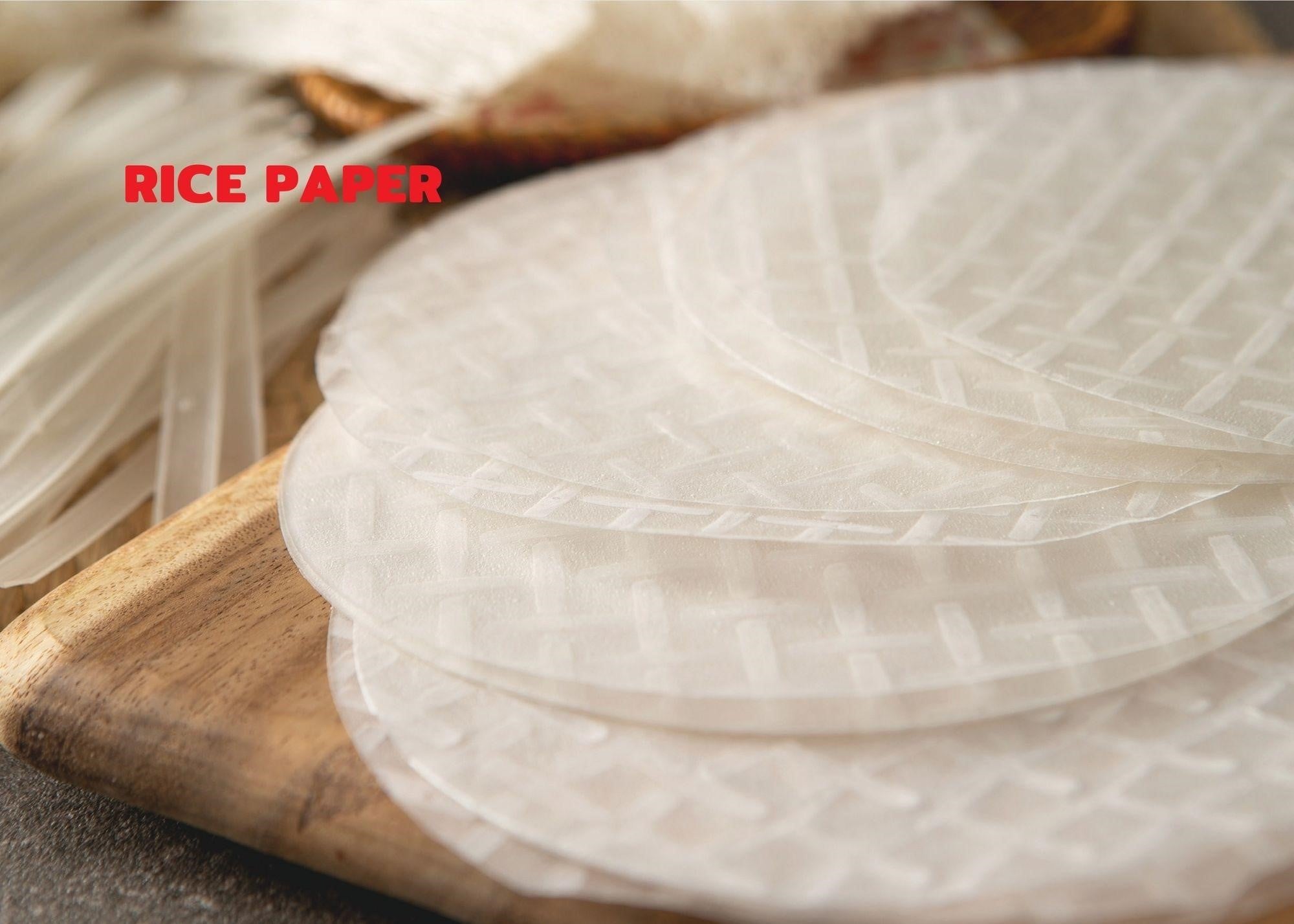
The easier a product is to use, the more likely consumers are to incorporate it into their regular meal routines.
Why Product Consistency Matters Across Every Purchase
Consistency is often one of the most important factors in long-term product success.
Consumers may not consciously remember technical specifications.
However, they quickly notice when product performance changes.
If one package performs differently from the previous purchase, consumers may begin questioning product quality.
Consistency helps create trust.
Retailers, distributors, and food service operators all benefit when products deliver the same experience repeatedly.
Reliable consistency supports:
- Customer retention
- Positive product reviews
- Reduced complaints
- Stronger brand loyalty
For food brands, consistency is often what transforms a first-time buyer into a repeat customer.
This is why specification management is not only a manufacturing consideration.
It is also a customer experience strategy.
Packaging Specifications Also Influence User Experience
When discussing rice paper sheet specifications, many buyers focus solely on the product itself.
However, packaging specifications can also influence customer satisfaction.
Factors such as:
- Package size
- Sheet count
- Product protection
- Ease of storage
can significantly affect consumer perception.
For retail consumers, practical packaging may improve convenience and reduce waste.
For distributors, efficient packaging can support transportation and inventory management.
For food service businesses, larger formats may improve operational efficiency.
As consumer expectations continue rising, packaging has become an increasingly important part of the overall product experience.
The most successful products often combine both:
- Well-designed rice paper sheet specifications
- Well-designed packaging solutions
to create a better experience throughout the entire customer journey.
How Product Specifications Support Brand Reputation
A consumer may never know the exact thickness of a rice paper sheet.
However, they will remember:
- Whether it tears
- Whether it wraps easily
- Whether the meal looks attractive
- Whether the experience feels enjoyable
Over time, these experiences shape brand perception.
This is why successful food brands pay close attention to product specifications.
Understanding Market Needs: The Tanisa Perspective
Different markets require different solutions.
Through experience supplying international markets, Tanisa recognizes that product specifications should align with:
- Consumer expectations
- Food applications
- Distribution channels
- Regional preferences
Rather than focusing solely on measurements, successful product development begins with understanding how customers actually use rice paper sheets.
Conclusion
Rice paper sheet specifications are more than technical details.
They directly influence usability, customer satisfaction, food presentation, and brand success.
For importers, retailers, and food service businesses, understanding the relationship between specifications and user experience is often the key to selecting the right product for the right market.
Suggested Internal Links
- Rice Paper
- Vietnamese Rice Paper
- Rice Paper Sheet
- Roll of Rice Paper
- Rice Paper Manufacturer Vietnam
TANISA FOODS JSC, a strong brand in the market for the production and distribution of specialty products (rice paper, rice noodles...) and spices (seasoning) which exported to some countries such as USA, France, South Korea, Japan, Russia, Brunei...
TANISA FOODS JSC
Factory add 1: 188 Lac Long Quan Street, Quarter 3, Tan Ninh Ward, Tay Ninh Province, Vietnam
Factory add 2: Phu Hoa Dong, Cu Chi, Ho Chi Minh City, Viet Nam
Office in HCMC: 18th Floor, Vincom Building, 72 Le Thanh Ton Street, District 1, Ho Chi Minh City, Vietnam
Warehouse in HCMC: 2/3 Binh Gia, Tan Binh District, Ho Chi Minh City, Vietnam
Hotline: +84 938 118 699 (WhatsApp/WeChat), +84 938 198 299 (Zalo)




Email: marketing@tanisagroup.com
Website: www.tanisagroup.com
Facebook: Tanisa Foods JSC
Instagram: @tanisa_foods
Youtube: Tanisa Kitchen

Xem thêm