


Rice Paper Production: How Modern Manufacturer Ensure Export Quality & Supply Stability
In today’s international food industry, especially within the Asian and ethnic food sectors, rice paper has become a fast-growing product category across: the United States, Europe, Australia, the Middle East, and many Asian markets. However, for global importers and distributors, the product itself is only one part of the decision-making process.
What buyers truly evaluate is:
- production capability,
- quality consistency,
- export reliability,
- and long-term supply stability.
That is why:
👉 “rice paper production” has become an important topic in global sourcing and supplier evaluation.
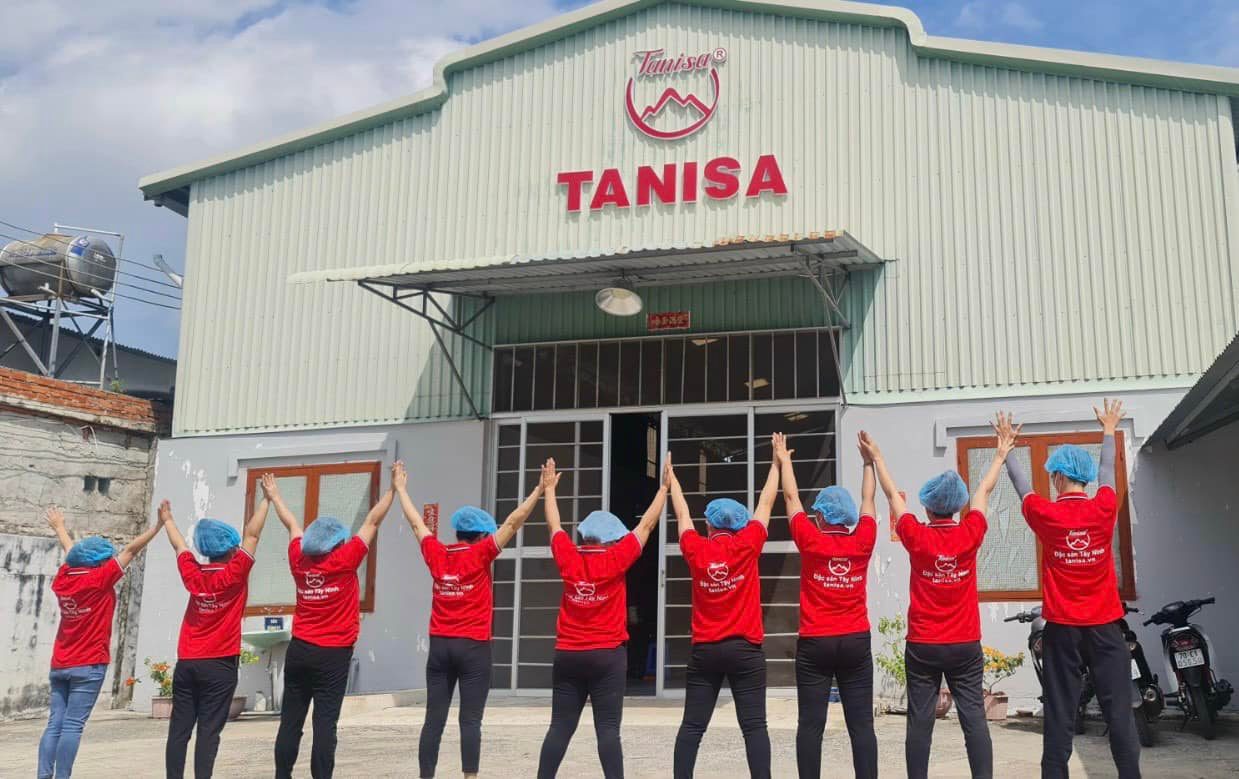
Modern rice paper production line in Vietnam export factory
Why Production Capability Matters in Global Rice Paper Supply
In B2B food supply, having a good product is not enough.
International buyers require:
- consistent quality across shipments,
- stable lead times,
- scalable production systems,
- and reduced supply chain risk.
If production systems are unstable:
- texture may vary,
- packaging quality may become inconsistent,
- or deliveries may be delayed.
This directly affects:
- retailers,
- food service chains,
- and brand reputation.
As a result:
👉 rice paper production is not simply about making products — it is about building a reliable export supply system.
What Global Buyers Expect From Rice Paper Manufacturers
1. Quality control systems
Professional importers carefully evaluate:
- moisture consistency,
- texture stability,
- thickness control,
- and breakage rates.
An export-oriented manufacturer should have:
- structured QC systems,
- multi-stage inspection processes,
- and stable batch consistency
- years of export experience
2. Traceability
Modern food markets increasingly require traceability.
Buyers want visibility into:
- raw material sourcing,
- production processes,
- and quality management systems.
This is especially important for:
- retail chains,
- supermarket systems,
- and private label products.
3. Export packaging capability
Rice paper products are highly sensitive to:
- humidity,
- temperature changes,
- and transportation impact.
Packaging systems must therefore help:
- reduce breakage,
- maintain product stability,
- and support long-distance shipping.
4. International certifications
Many export markets require:
- HACCP,
- ISO,
- FDA compliance,
- and Halal certification.
These certifications are not only regulatory requirements, but also indicators of supplier reliability and manufacturing standards.
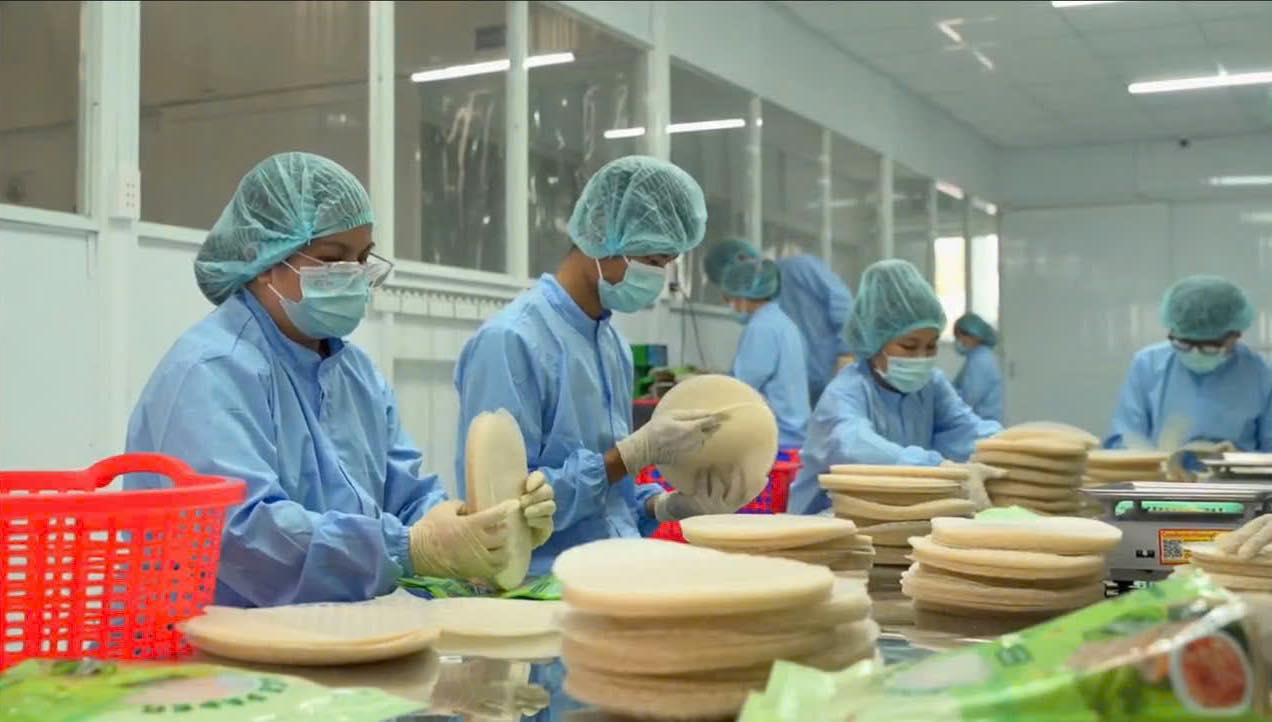
Rice paper quality control and export packaging process
Traditional Craftsmanship vs Industrial Export Production
Traditional handmade production
Advantages:
- cultural value,
- handcrafted identity,
- traditional appeal.
Limitations:
- difficult to scale,
- inconsistent batch quality,
- limited suitability for large export operations.
Modern industrial production
Modern manufacturing systems provide:
- larger production capacity,
- improved quality consistency,
- lower defect rates,
- and stable shipment performance.
This is essential for:
- global distributors,
- retail brands,
- and food service supply chains.
Critical Quality Control Points in Rice Paper Manufacturing
Moisture control
Unstable moisture levels may cause:
- excessive brittleness,
- or overly soft texture during storage.
Thickness consistency
Uneven thickness affects:
- wrapping performance,
- cooking experience,
- and consumer perception.
Flexibility
Rice paper must remain:
- flexible enough for wrapping,
- while maintaining structural stability.
Breakage resistance
During export logistics, breakage is one of the biggest concerns.
Production quality and packaging systems must help:
👉 minimize transportation damage.
Export Certifications for International Markets
Professional rice paper manufacturers often require:
- HACCP,
- ISO,
- FDA compliance,
- and Halal certification depending on the market.
These standards help:
- increase buyer confidence,
- support market access,
- and meet retail compliance requirements.
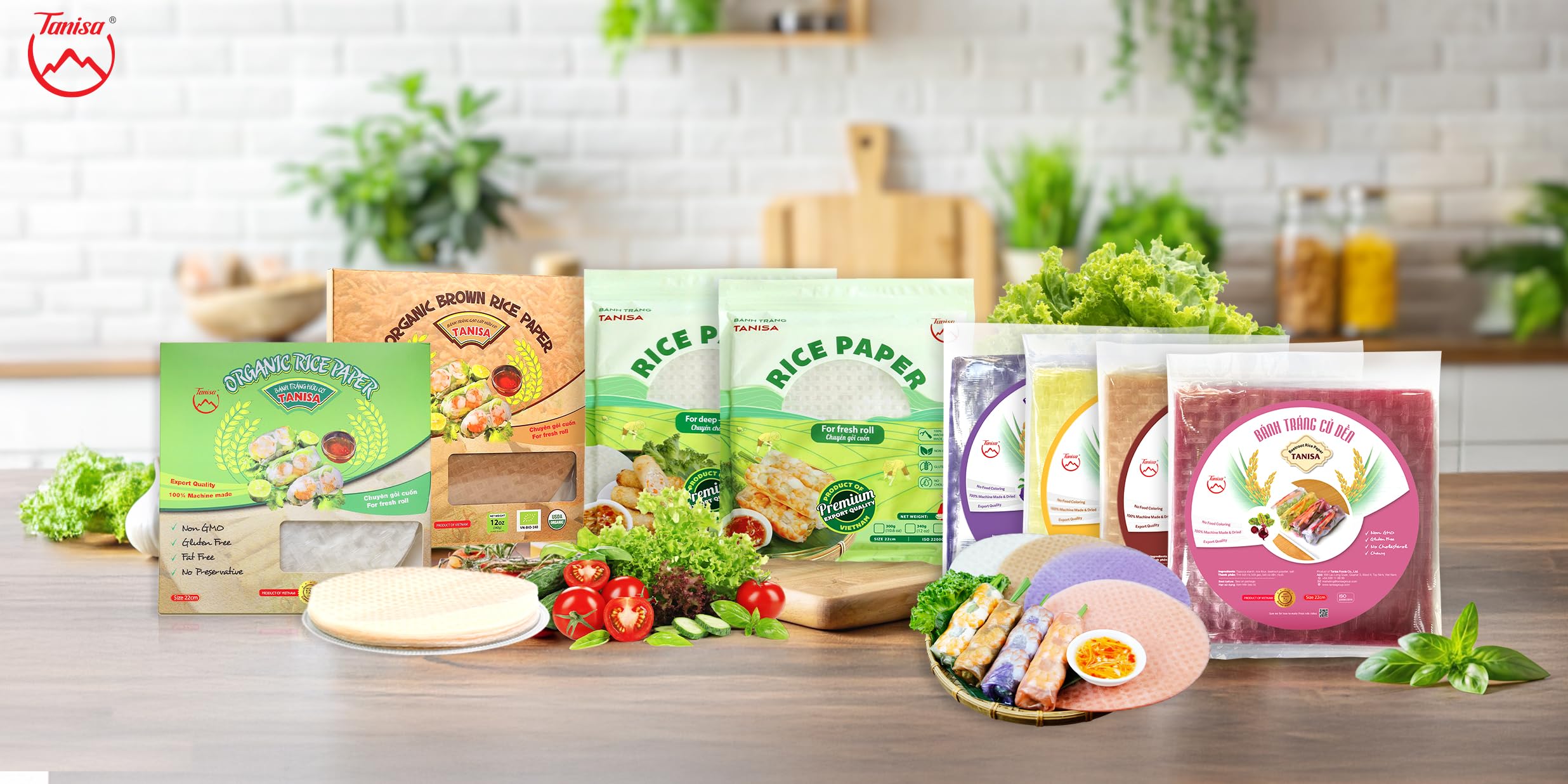
Vietnam rice paper manufacturer supplying global markets
Private Label Support Depending on the Market
Today, many distributors and retail brands want to:
- build their own product lines,
- customize packaging,
- and adapt products for specific regional markets.
Vietnamese manufacturers increasingly support:
👉 private label production and customized packaging solutions tailored to different market requirements.
This allows partners to:
- develop their own brands,
- expand distribution channels,
- and strengthen competitiveness in local markets.
Why Vietnam Has Become a Global Rice Paper Manufacturing Hub
Vietnam has several competitive advantages:
- stable rice supply,
- long-standing manufacturing expertise,
- developed production ecosystems,
- and competitive production costs.
Regions such as Tay Ninh have become important rice paper manufacturing centers supporting international export markets.
How Tanisa Supports Global Buyers
Tanisa Foods JSC is a Vietnamese manufacturer specializing in:
- rice paper,
- rice noodles/vermicelli,
- and export-oriented food production for international markets.
Founded in 2015, Tanisa currently exports to more than 30 countries and regions including:
- the USA,
- Europe,
- Australia,
- Japan,
- Korea,
- and other international markets.
One of Tanisa’s core strengths is:
👉 stable large-scale manufacturing supported by modern machine-made and drying systems, helping ensure:
- batch consistency,
- scalable production,
- and stable supply capability for global buyers.
Tanisa holds international certifications such as:
- FSSC 22000,
- ISO 22000:2018,
- FDA (USA),
- KFDA (Korea),
- and Halal certification.
These certifications support supply to:
- supermarket chains,
- food service distributors,
- restaurant groups,
- and retail systems worldwide.
In addition, Tanisa products align with modern food trends through features such as:
- Gluten Free,
- Non-GMO,
- No Preservatives,
- and Plant-Based positioning.
Conclusion
In today’s global food market:
👉 rice paper production is no longer just a manufacturing process.
It represents:
- quality management,
- operational capability,
- and long-term supply chain reliability.
For importers and distributors, a reliable manufacturer is not only a supplier,
but also a strategic partner that helps ensure:
- consistency,
- scalability,
- and stable international business growth.
Learn More
- Rice Paper
- Rice Paper Manufacturers Vietnam
- Rice Paper Rolls
- Vietnamese Rice Paper Rolls
Contact Tanisa
If you are looking for:
- a Vietnam rice paper manufacturer,
- a reliable export supplier,
- or private label support tailored to different international markets,
👉 Tanisa can support your sourcing and market development needs.
TANISA FOODS JSC, a strong brand in the market for the production and distribution of specialty products (rice paper, rice noodles...) and spices (seasoning) which exported to some countries such as USA, France, South Korea, Japan, Russia, Brunei...
TANISA FOODS JSC
Factory add 1: 188 Lac Long Quan Street, Quarter 3, Tan Ninh Ward, Tay Ninh Province, Vietnam
Factory add 2: Phu Hoa Dong, Cu Chi, Ho Chi Minh City, Viet Nam
Office in HCMC: 18th Floor, Vincom Building, 72 Le Thanh Ton Street, District 1, Ho Chi Minh City, Vietnam
Warehouse in HCMC: 2/3 Binh Gia, Tan Binh District, Ho Chi Minh City, Vietnam
Hotline: +84 938 118 699 (WhatsApp/WeChat), +84 938 198 299 (Zalo)




Email: marketing@tanisagroup.com
Website: www.tanisagroup.com
Facebook: Tanisa Foods JSC
Instagram: @tanisa_foods
Youtube: Tanisa Kitchen

Xem thêm