


Wholesale Rice Noodles Bulk: How Importers Optimize Costs with Large-Scale Supply
As the global Asian food market continues expanding rapidly, rice noodles have become one of the fastest-growing food import categories across: United States, Canada, Europe, Australia, Middle East. In addition to Asian food distributors, many supermarket chains, frozen meal manufacturers, and wholesale food suppliers are increasing their demand for wholesale rice noodles bulk supply.
As logistics costs and market competition continue rising, many importers are shifting toward bulk purchasing models to:
-
Optimize cost per unit
-
Reduce container shipping costs
-
Improve inventory planning
-
Maintain stable supply
-
Increase price competitiveness
For food import businesses, wholesale rice noodles bulk is no longer simply about buying larger quantities — it has become a long-term supply chain strategy.
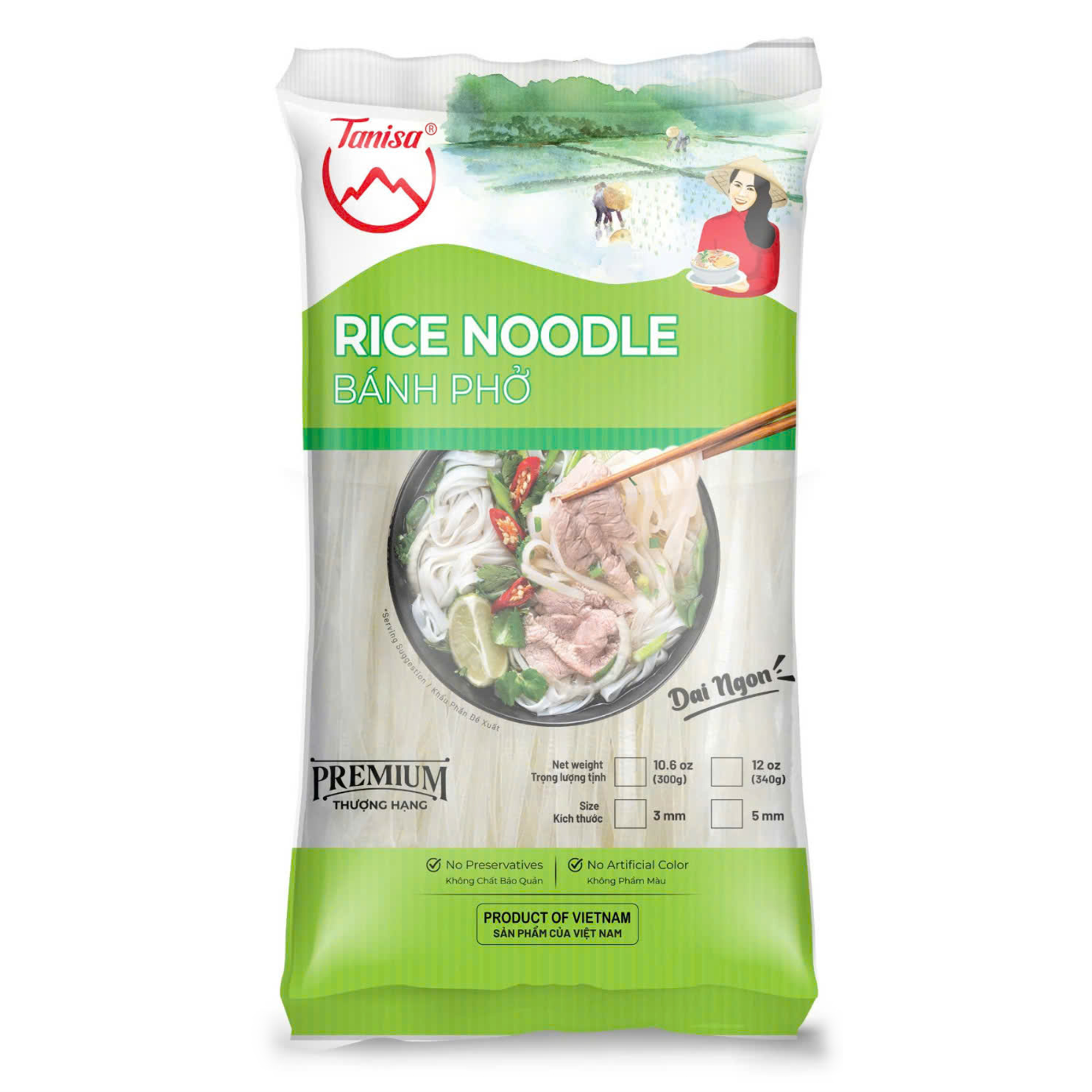
Rice noodles
Why Importers Prefer Wholesale Rice Noodles Bulk
Lower Cost Per Unit
One of the biggest advantages of wholesale rice noodles bulk is reducing product cost per unit.
Bulk ordering helps businesses:
-
Negotiate better pricing
-
Optimize manufacturing costs
-
Increase distributor margins
-
Improve market competitiveness
This is especially important in the wholesale food distribution industry.
Better Container and Logistics Efficiency
International shipping costs directly affect importer profitability.
By purchasing wholesale rice noodles bulk, businesses can:
-
Improve container utilization
-
Reduce shipping cost per product
-
Reduce shipment frequency
-
Improve logistics planning efficiency
For long-distance export markets such as the United States and Europe, container optimization can create significant cost advantages.
Better Inventory Planning
Stable bulk supply helps importers:
-
Forecast demand more accurately
-
Improve warehouse management
-
Reduce stock shortages
-
Optimize inventory turnover
This is especially important for:
-
Supermarket distributors
-
Food wholesalers
-
Restaurant supply chains
-
Asian grocery systems
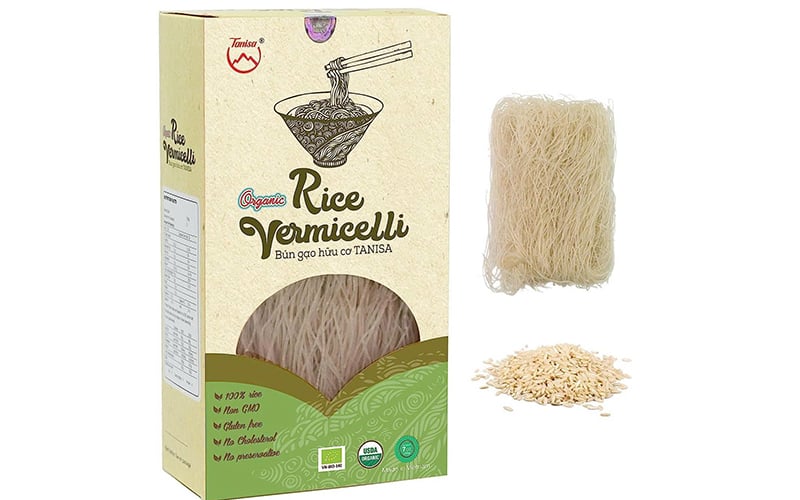
Organic Brown Rice Vermicelli
Factors That Affect Wholesale Rice Noodles Bulk Pricing
Rice Raw Material Quality
Rice quality directly affects:
-
Product texture
-
Batch consistency
-
Final product quality
-
Ability to meet international standards
Suppliers with stable raw material sources often maintain better quality consistency.
Manufacturing Scale
Large-scale factories usually have advantages such as:
-
Stable production capacity
-
Automated manufacturing systems
-
Professional QC operations
-
Ability to handle high-volume orders
This helps:
-
Reduce production errors
-
Maintain lead times
-
Optimize long-term costs
Packaging and Bulk Formats
Packaging significantly affects:
-
Product pricing
-
Storage costs
-
Container efficiency
-
Logistics handling
Popular formats include:
-
Bulk packaging
-
Food service packs
-
Retail packs
-
Frozen formats
International Shipping Costs
Export costs depend on:
-
Shipping routes
-
Container availability
-
Fuel prices
-
Port handling fees
-
Lead times
Suppliers with export experience can often help importers optimize logistics more efficiently.
Why Container Optimization Matters for Wholesale Rice Noodles Bulk
In the food import industry, container optimization directly impacts profitability.
Efficient container management helps:
-
Reduce unused shipment space
-
Increase shipment volume
-
Lower transportation costs
-
Improve import efficiency
Many importers now prioritize suppliers capable of:
-
Optimizing pallet arrangements
-
Supporting mixed containers
-
Planning efficient shipments
-
Reducing lead times
This has become a major competitive advantage in the wholesale food market.
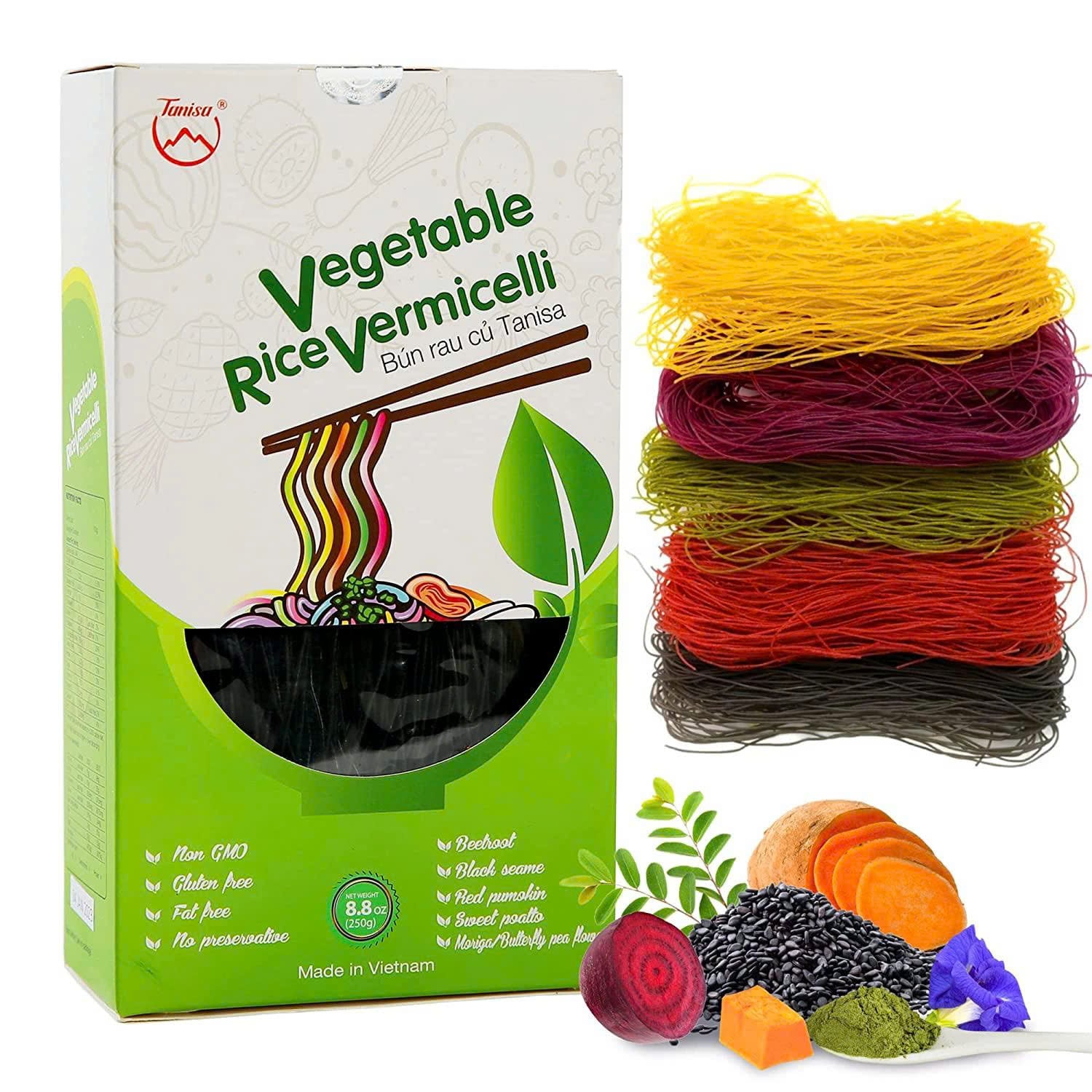
The demand for wholesale rice noodles bulk continues growing alongside the rapid expansion of the global Asian food market.
Common Risks When Importing Wholesale Rice Noodles Bulk
Unstable Suppliers
Some smaller suppliers may struggle with:
-
Production delays
-
Inconsistent product quality
-
Limited peak-season capacity
-
Difficulty handling long-term orders
These issues directly affect distributors and retailers.
Limited Export Experience
Suppliers without strong export experience often face challenges related to:
-
Export documentation
-
Customs procedures
-
Container coordination
-
International compliance
This can increase shipment risks for importers.
Poor Quality Consistency
This remains one of the biggest risks in food importing.
If product quality varies between shipments:
-
Distributors struggle to maintain standards
-
Retailers lose customer trust
-
Restaurant operations become inconsistent
Consistency is critical for long-term wholesale supply.
What Importers Should Look for in a Wholesale Rice Noodles Bulk Supplier
Production Capacity
Suppliers should have:
-
Manufacturing scalability
-
Stable production planning
-
Ability to support large-volume orders
-
Long-term supply capability
Export Experience
Experienced exporters are usually better at:
-
Logistics coordination
-
Documentation management
-
Shipping optimization
-
Understanding international market requirements
International Certifications
International certifications help improve supplier credibility:
-
FSSC 22000
-
ISO 22000:2018
-
FDA
-
KFDA
-
Halal Certification
These standards are increasingly important for:
-
Supermarket chains
-
Food distributors
-
Large-scale importers
Long-Term Partnership Capability
Many importers prefer suppliers capable of:
-
Long-term cooperation
-
Stable pricing
-
Flexible operational support
-
Proactive problem-solving
Why Vietnam Is a Competitive Source for Wholesale Rice Noodles Bulk
Vietnam has many advantages in the rice noodles industry:
-
Abundant rice supply
-
Long-standing noodle manufacturing experience
-
Competitive production costs
-
Strong food export infrastructure
Tanisa are currently exporting strongly to:
-
North America
-
Europe
-
Australia
-
South Korea
-
Middle East
-
Asian markets
The continued growth of global Asian food consumption is creating major opportunities for Vietnam’s rice noodles industry.
How Importers Evaluate Bulk Rice Noodles Suppliers
For international importers, supplier selection is not based only on low pricing.
A suitable supplier should also provide:
-
Production scalability
-
Stable lead times
-
Consistent product quality
-
Export capability
-
Logistics support
-
Long-term supply stability
In the food import industry, issues such as:
-
Shipment delays
-
Inconsistent quality
-
Poor documentation
-
Supply shortages
can directly affect distributor and retailer operations.
That is why many importers prioritize suppliers with:
-
Professional QC systems
-
International market experience
-
Clear export procedures
-
Large-scale operational capability
In addition, international certifications are becoming increasingly important when evaluating wholesale food suppliers.
Certifications such as:
-
FSSC 22000
-
ISO 22000:2018
-
FDA
-
KFDA
-
Halal Certification
help strengthen supplier credibility and support compliance with various international import markets.
Today, many Vietnamese food manufacturers, exemplified by Tanisa, are investing heavily in:
-
Manufacturing systems
-
Export capabilities
-
Food safety compliance
-
Supply chain optimization
to support the growing demand in the global wholesale food market.
Related Articles
Conclusion
The demand for wholesale rice noodles bulk continues growing alongside the rapid expansion of the global Asian food market.
For importers and distributors, choosing the right supplier is essential not only for reducing costs but also for building stable supply chains and minimizing operational risks.
As market competition continues increasing, suppliers with strong manufacturing capacity, export experience, and professional quality control systems will gain greater advantages in international food markets.
TANISA FOODS JSC, a strong brand in the market for the production and distribution of specialty products (rice paper, rice noodles...) and spices (seasoning) which exported to some countries such as USA, France, South Korea, Japan, Russia, Brunei...
TANISA FOODS JSC
Factory add 1: 188 Lac Long Quan Street, Quarter 3, Tan Ninh Ward, Tay Ninh Province, Vietnam
Factory add 2: Phu Hoa Dong, Cu Chi, Ho Chi Minh City, Viet Nam
Office in HCMC: 18th Floor, Vincom Building, 72 Le Thanh Ton Street, District 1, Ho Chi Minh City, Vietnam
Warehouse in HCMC: 2/3 Binh Gia, Tan Binh District, Ho Chi Minh City, Vietnam
Hotline: +84 938 118 699 (WhatsApp/WeChat), +84 938 198 299 (Zalo)




Email: marketing@tanisagroup.com
Website: www.tanisagroup.com
Facebook: Tanisa Foods JSC
Instagram: @tanisa_foods
Youtube: Tanisa Kitchen

Xem thêm