



Brown Rice Paper Manufacturer: Sourcing Guide for Importers
Sourcing brown rice paper for import? Learn the specific criteria, specs & questions to ask suppliers — plus how Tanisa meets FDA/FSSC export standards.
Brown rice paper is rice paper made from brown rice — rice that retains its bran and germ layers — rather than the milled white rice used in standard rice paper. For importers, this isn't just a "different-colored" variant on the shelf. It's a product line with its own sourcing requirements, from raw material origin and batch-to-batch color consistency to the nutritional profile that needs to be declared when selling into health-focused markets.
What Is Brown Rice Paper, and Why Are Buyers Sourcing It?
Technically, brown rice is rice that keeps all three layers of the grain — bran, endosperm, and germ — while white rice has had the bran and germ milled away, leaving only the starch-rich but less nutrient-dense endosperm. According to Healthline, 100g of cooked brown rice contains about 1.6g of fiber, compared to just 0.4g in white rice — roughly four times more. Harvard Health also notes that brown rice is higher in magnesium, potassium, iron, and B vitamins (B1, B3, B6, B9), along with a lower glycemic index than white rice.
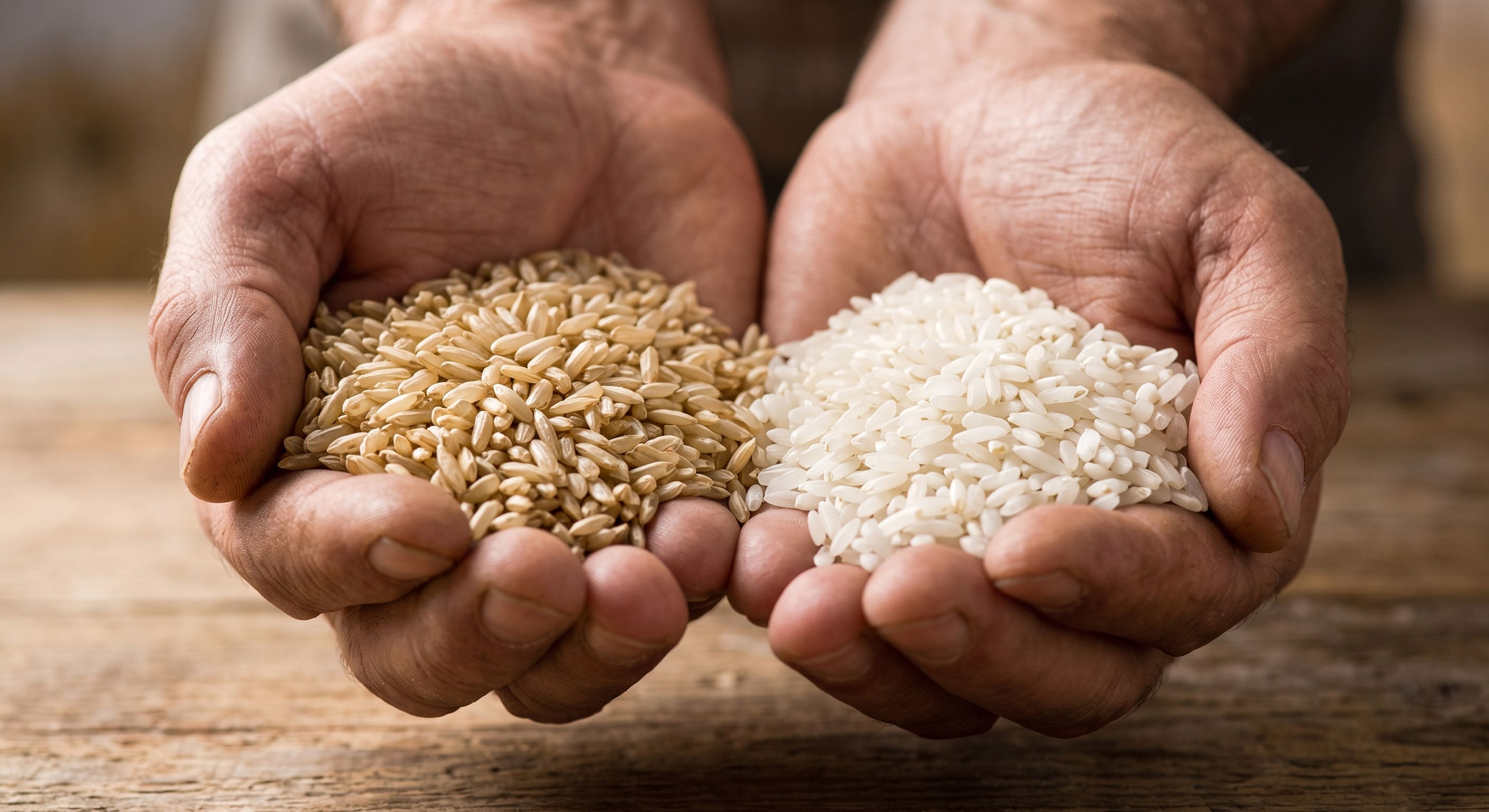
This is precisely why brown rice paper is becoming a category of interest for importers. The whole grain and high-fiber food market is projected to grow from USD 50.73 billion in 2026 to USD 125.72 billion by 2036, a CAGR of 9.5% (Future Market Insights). More broadly, the clean-label ingredients market is also expected to grow from USD 47.91 billion to USD 83.44 billion between 2026 and 2034 (CAGR of 7.18%, Fortune Business Insights) — and as of 2025, 64% of global consumers reported checking ingredient labels before buying packaged food.
For importers supplying organic grocers, health food stores, or building out a whole-food private label line, brown rice paper is a natural way to expand the catalog in line with this trend. But sourcing it correctly isn't as simple as adding one more "colored" SKU to an existing order.
How Brown Rice Paper Sourcing Differs From Standard Rice Paper
Key Questions Importers Should Ask Brown Rice Paper Suppliers
Sourcing & Ingredient Transparency
Is the brown rice used 100% whole-grain, or is it just white rice blended with a portion of brown rice and colored to create a similar visual effect? This is the first question to clarify, because the two methods produce a similar-looking product with very different nutritional profiles. Where the brown rice is sourced from, and whether that supply stays consistent across seasons, is also worth confirming before entering a long-term contract.
Production Consistency & QC for Specialty Lines
Because this is a specialty product line, importers should ask specifically about the quality control process for brown rice paper, rather than assuming the factory applies the same standards used for standard white rice paper. Where possible, request batch records from recent production runs to assess real-world consistency — not just verbal assurances.
Certifications Relevant to Health-Positioned Products
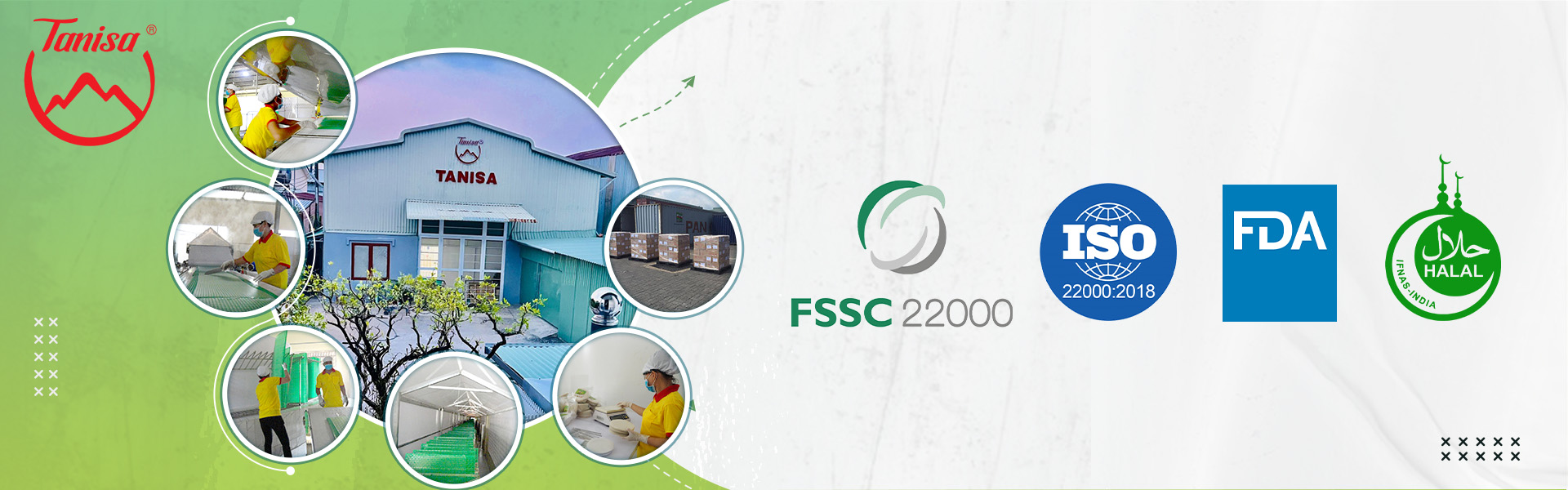
Since brown rice paper is typically positioned and sold in the health-focused segment, importers should ask not only for general food safety certifications (FSSC 22000, ISO 22000, FDA, KFDA, etc.) but also for accurate nutrition facts specific to the brown rice paper line — not figures shared with the standard white rice paper line, given how significantly fiber and micronutrient content differ between the two, as noted above.
Why Tanisa Is a Reliable Brown Rice Paper Manufacturer for Export
Tanisa Foods JSC is a Vietnamese rice paper manufacturer exporting to more than 30 countries, holding international certifications including FSSC 22000, ISO 22000:2018, FDA (USA), KFDA (Korea), and Halal. Positioned as a factory-direct export partner, Tanisa supports flexible MOQs for both SMEs and large-scale distributors, along with private label/OEM capability and customization of size and packaging to fit each market's requirements.
If you're looking for a brown rice paper supply that's consistent in color, backed by a clear nutritional profile, and compliant with international export standards, the Tanisa team is ready to discuss production capability and partnership terms in detail.
FAQ: Brown Rice Paper Sourcing
Is brown rice paper gluten-free?
Yes. Like rice paper in general, brown rice paper is naturally gluten-free.
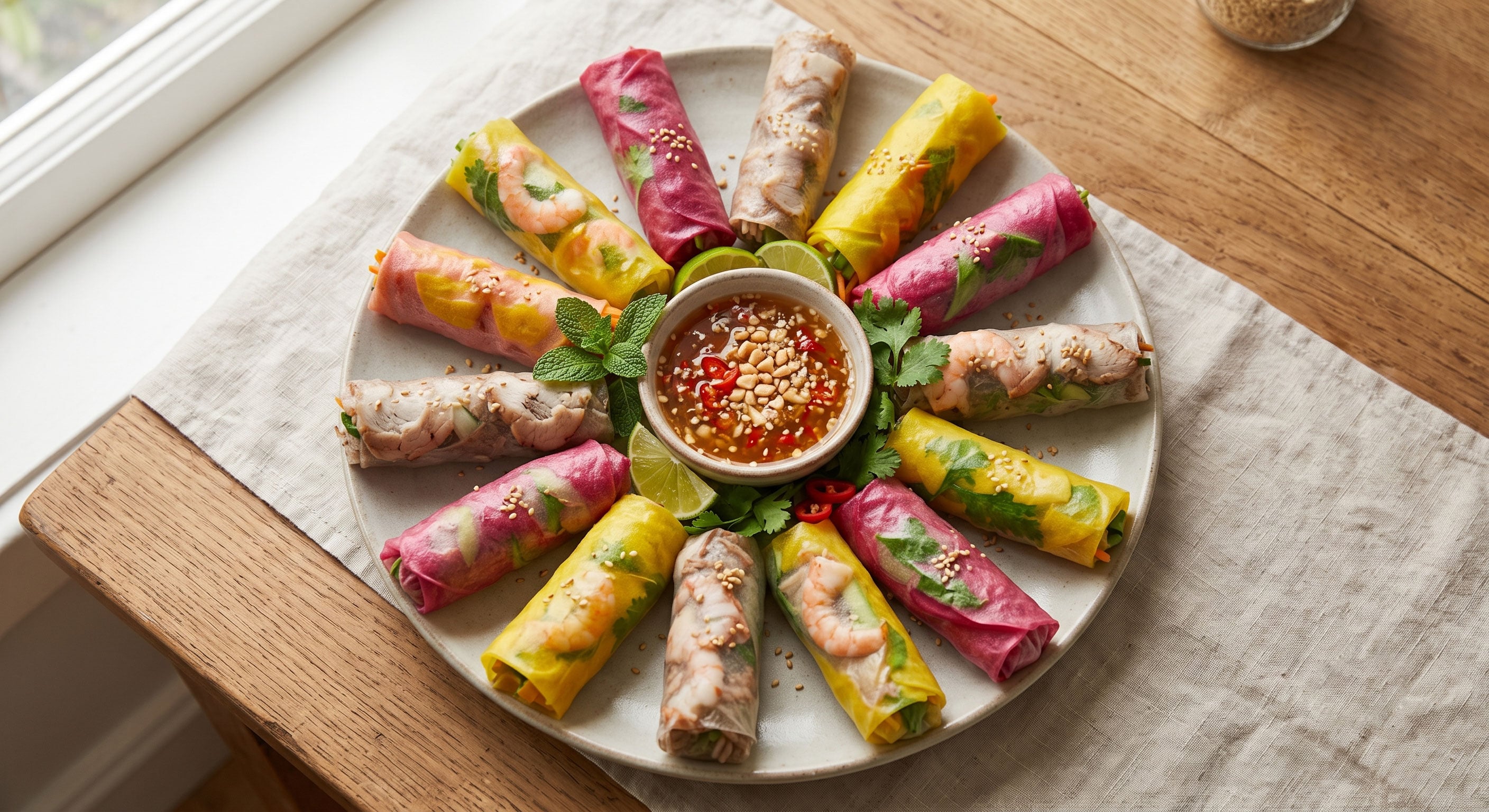
How is brown rice paper different from colored rice paper (like beetroot or turmeric rice paper)?
Brown rice paper gets its natural color directly from the bran layer of the brown rice used as its main ingredient. Colored rice paper (beetroot, turmeric, butterfly pea flower, etc.), on the other hand, typically starts with standard white rice as a base and adds other plant-based coloring ingredients.
TANISA FOODS JSC, a strong brand in the market for the production and distribution of specialty products (rice paper, rice noodles...) and spices (seasoning) which exported to some countries such as USA, France, South Korea, Japan, Russia, Brunei...
TANISA FOODS JSC
Factory add 1: 188 Lac Long Quan Street, Quarter 3, Tan Ninh Ward, Tay Ninh Province, Vietnam
Factory add 2: Phu Hoa Dong, Cu Chi, Ho Chi Minh City, Viet Nam
Office in HCMC: 18th Floor, Vincom Building, 72 Le Thanh Ton Street, District 1, Ho Chi Minh City, Vietnam
Warehouse in HCMC: 2/3 Binh Gia, Tan Binh District, Ho Chi Minh City, Vietnam
Hotline: +84 938 118 699 (WhatsApp/WeChat), +84 938 198 299 (Zalo)




Email: marketing@tanisagroup.com
Website: www.tanisagroup.com
Facebook: Tanisa Foods JSC
Instagram: @tanisa_foods
Youtube: Tanisa Kitchen

Xem thêm