


Why Is Rice Paper Round? The Story Behind the Iconic Shape of Vietnamese Rice Paper
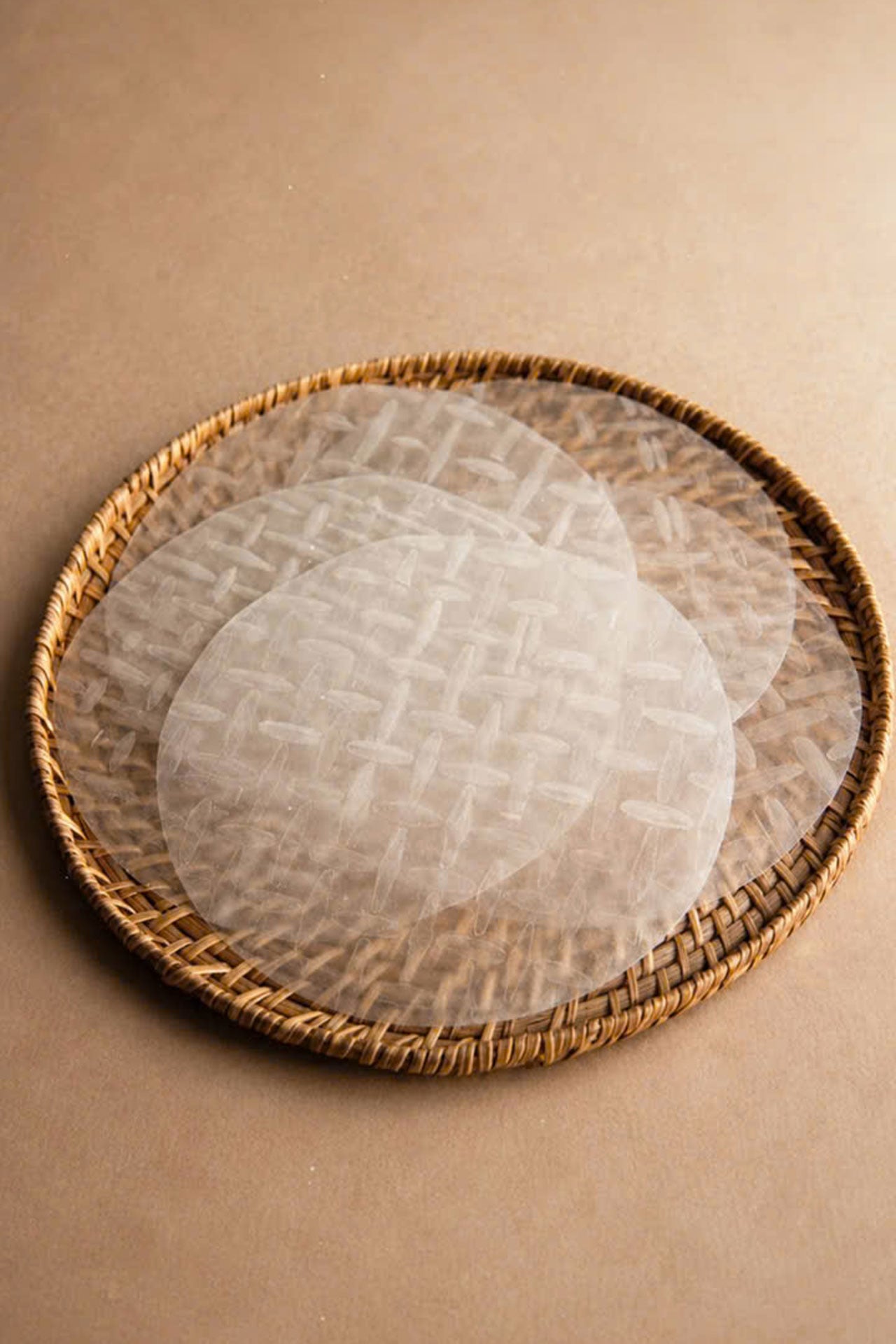
Have you ever wondered why rice paper is almost always round?
At first glance, it may seem like a small detail. But if you look deeper, you'll discover that behind this familiar circular shape lies a story that spans hundreds of years—a story of culture, traditional craftsmanship, and the evolution of Vietnam's food industry.
What makes it even more interesting is that modern technology can easily produce rice paper in square or rectangular formats, often with greater manufacturing efficiency. Yet after centuries, the round shape remains the most common and recognizable form.
So why has rice paper kept this shape until today?
The Short Answer: Rice Paper Is Round Because of Traditional Production Methods
The origin of round rice paper has nothing to do with branding, marketing, or product design.
It comes directly from the production process itself.
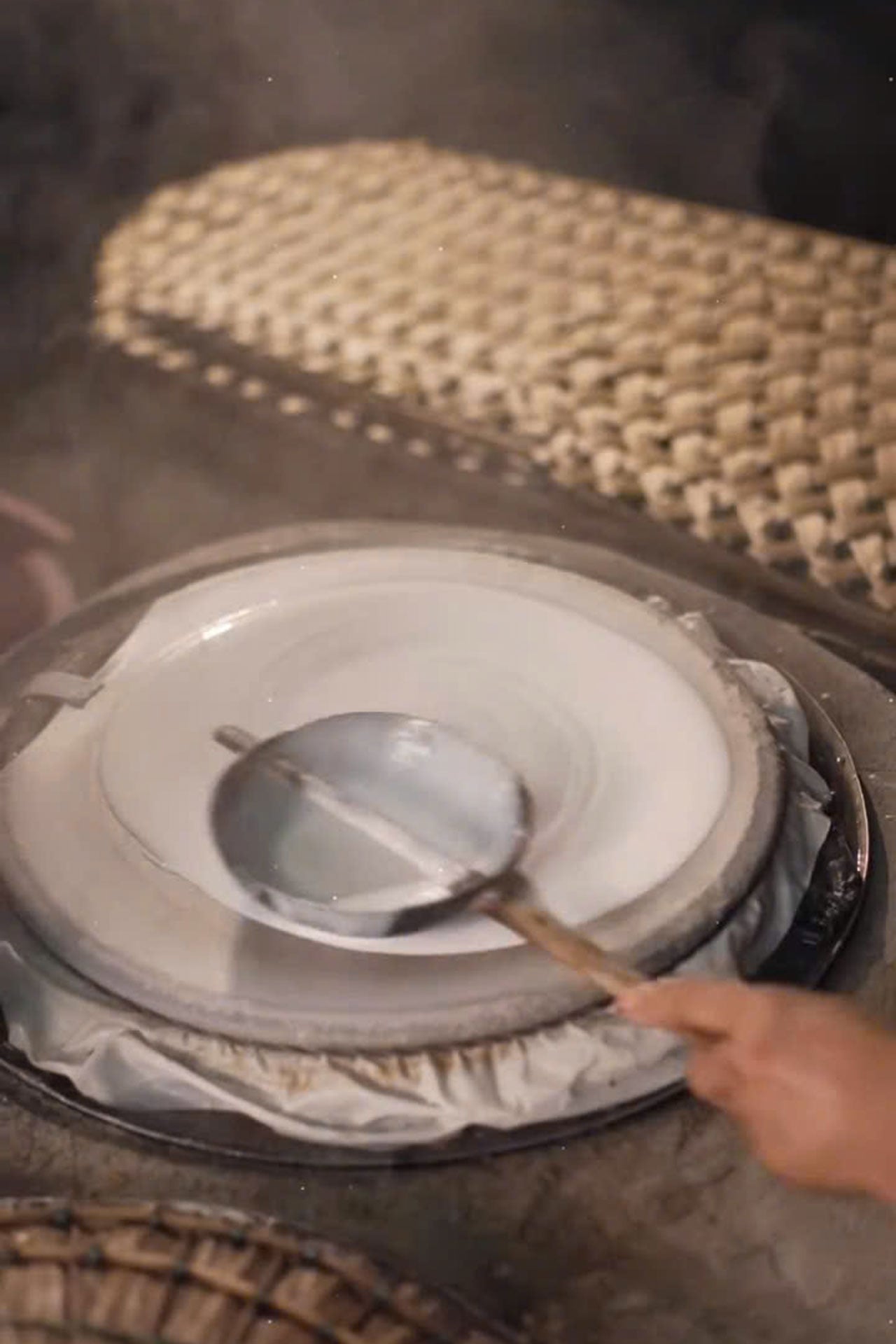
Long before modern machinery existed, rice paper was made entirely by hand. Craftsmen would ladle diluted rice batter onto a thin cloth stretched over a pot of boiling water, spreading it into an extremely thin layer.
This cloth surface was typically round.
As the batter steamed and cooked, the finished sheet naturally took on the same circular shape as the steaming surface beneath it.
In other words, rice paper is round simply because the original tool used to make it was round.
What makes the story fascinating, however, is that the shape remained even after technological advances removed the limitations of traditional production methods.
How Vietnamese People Made Rice Paper Hundreds of Years Ago
To understand why rice paper is round, it's important to understand how it was traditionally made.
Rice: The Foundation of Rice Paper
Rice paper originated from Vietnam's long-standing rice-growing civilization.
Using rice harvested from fertile agricultural regions, people would soak the grains, grind them into a liquid batter, and mix them to achieve the proper consistency.
The quality of the rice directly affects the flexibility, texture, and performance of the finished rice paper.
This is one reason why Vietnam's renowned rice-growing regions have long been important sources of raw materials for rice paper production.
The Steaming Process
Once the batter was prepared, the craftsman would pour a measured amount onto a cloth stretched over a steaming pot.
Within seconds, the thin layer of batter would spread into a circular shape and cook through the heat of the steam.
This stage required both experience and skill.
If the batter was too thick, the rice paper would not achieve the desired softness.
If it was too thin, the sheet could tear during use.
Sun-Drying on Bamboo Racks
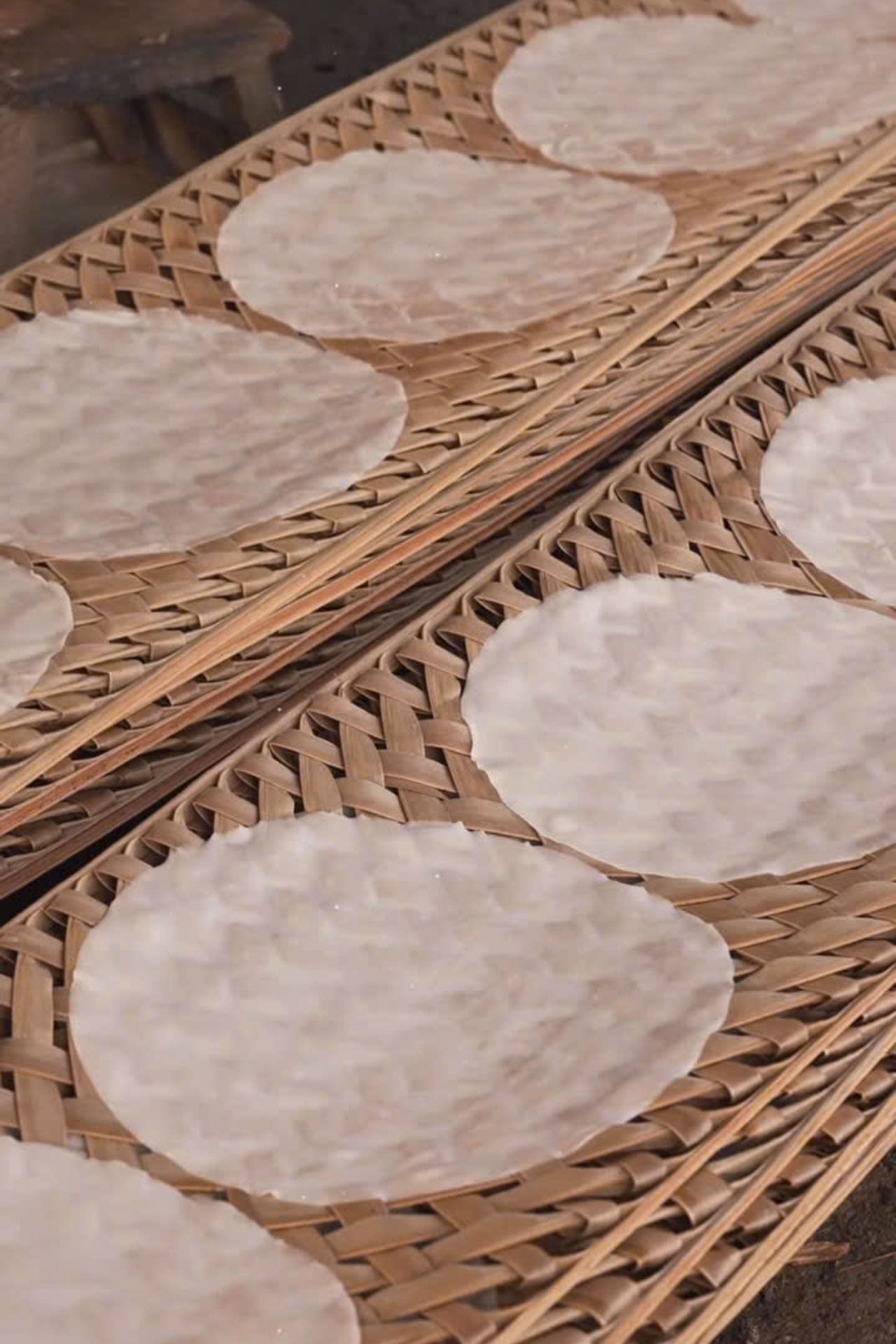
After steaming, the rice paper was carefully removed and placed on bamboo racks to dry naturally under the sun.
This process helped achieve the proper moisture level needed for storage and transportation.
The sight of rows of rice paper drying under the sunlight has become an iconic image in many traditional craft villages throughout Vietnam.
One of the Few Foods Whose Shape Was Created by Its Manufacturing Tool
This is a perspective that many people overlook.
Many foods around the world are shaped by molds, serving traditions, or consumer preferences.
Rice paper is different.
Its shape was created directly by the production tool itself.
A round steaming surface produced a round sheet of rice paper.
This makes rice paper one of the rare examples in the food industry where the shape of the product originated from the manufacturing process rather than market demand.
What is even more remarkable is that the shape remained unchanged as technology evolved.
Not because it couldn't be changed.
But because the circle had become part of rice paper's identity.
Why Has the Round Shape Been Preserved Until Today?
From a purely technical perspective, square or rectangular rice paper could make production and packaging more efficient by maximizing usable space.
However, in reality, most consumers still associate rice paper with its traditional round shape.
When people think of Vietnamese fresh spring rolls, spring rolls, or fresh rolls, they usually picture a thin, round sheet of rice paper wrapped around the ingredients.
Over generations, that shape has become part of the culinary experience itself.
It is no longer just a physical form.
It has become something familiar.
Just as people instantly recognize a round pizza or a donut with a hole in the center, consumers immediately recognize rice paper by its iconic circular shape.
Rice paper is no different.
The round shape has become part of the product's identity.
What Does the Circle Represent in Asian Culture?
Originally, rice paper was round simply because of the traditional production method.
Over time, however, the shape gradually took on deeper cultural meanings.
In many East Asian cultures, the circle is often associated with:
- Completeness
- Harmony
- Reunion
- Connection
It is no coincidence that many long-standing cultural symbols are circular in shape.
The sun is round.
The full moon is round.
Even traditional dining tables in many Asian households are often round, encouraging a sense of togetherness and connection among family members.
Rice paper carries a similar spirit.
A plate of rice paper placed at the center of the table is more than just a food ingredient. It often appears at family meals, gatherings, and shared dining experiences where people sit together and wrap their favorite ingredients by hand.
That is what makes the circle part of the experience itself—not merely the physical shape of the product.
Is Rice Paper Only Round Today?
The answer is no.
With the advancement of modern manufacturing technology, rice paper can now be produced in a variety of shapes depending on market needs.
Round Rice Paper
This remains the most popular format worldwide.
It is commonly used for:
- Vietnamese fresh spring rolls
- Spring rolls
- Fresh rolls
- Fried rolls
It is also the shape most easily recognized by consumers.
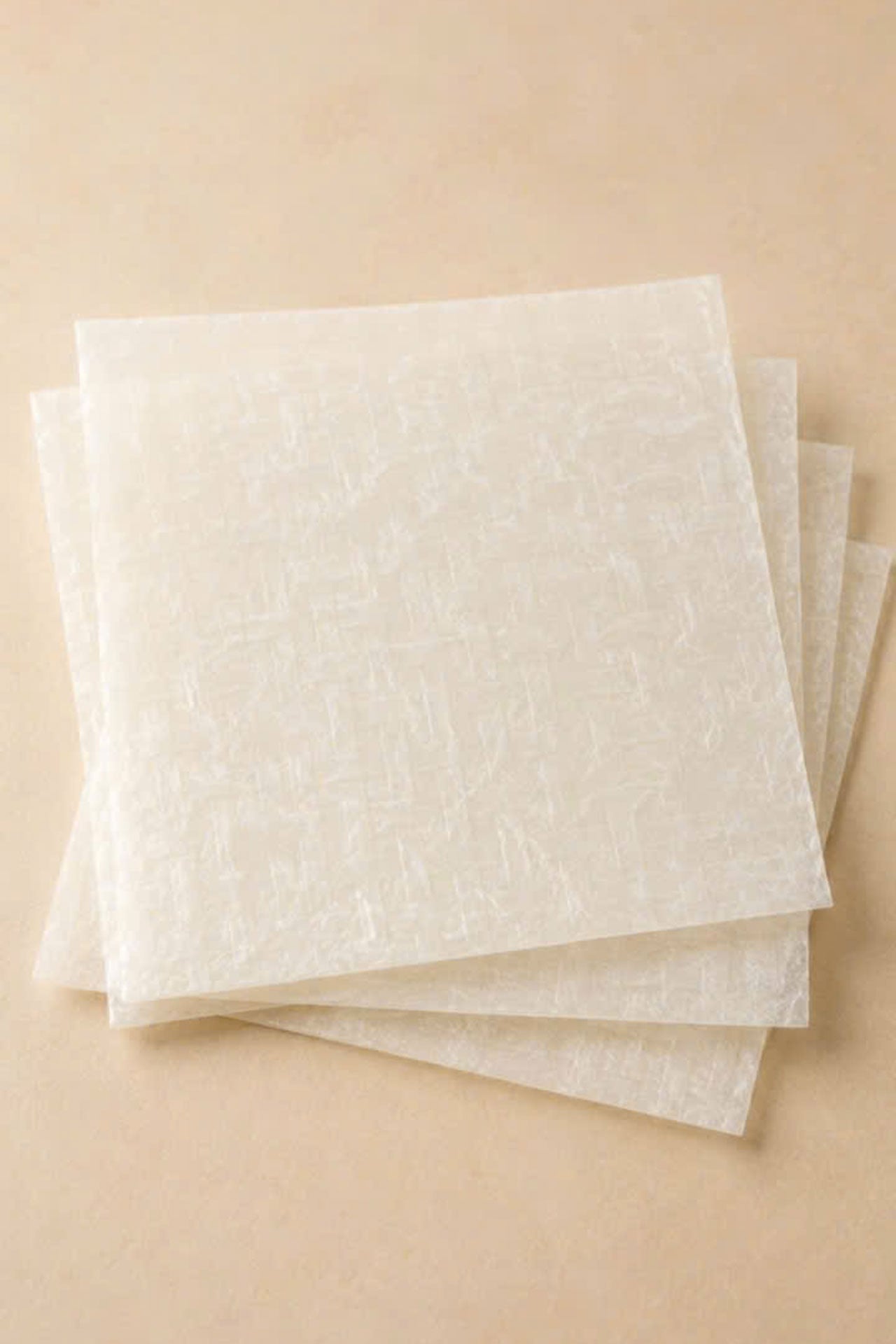
Square Rice Paper
Some manufacturers now offer square rice paper for specialized applications.
Advantages of square rice paper include:
- More efficient packaging
- Better suitability for certain food production lines
- Easier control of finished product dimensions
For food manufacturers and meal kit producers, square rice paper can sometimes provide operational advantages.
Does Shape Affect Rice Paper Quality?
This is a question many people ask.
In reality, shape does not determine the quality of rice paper.
Quality is influenced by factors such as:
Raw Materials
- Rice quality
- Starch quality
- Ingredient ratios
Food Safety Standards
Manufacturers that meet international food safety certifications are generally able to deliver more consistent product quality than those focusing only on shape or appearance.
In other words, a square sheet of rice paper produced under proper standards can be just as good as a round one.
The reason round rice paper remains more popular is largely due to cultural familiarity and consumer preference—not because it is inherently superior in quality.
From a Traditional Food to a Global Culinary Trend
A few decades ago, rice paper was used primarily in traditional Vietnamese dishes.
Today, the story is very different.
Consumers around the world are finding new and creative ways to use rice paper.
Healthy Wraps
Many people use rice paper as a lighter alternative to tortillas or bread, creating fresh and healthy wraps.
Plant-Based Meals
Rice paper aligns well with the growing plant-based food movement across the United States, Europe, and many other regions.
Fusion Cuisine
An increasing number of chefs are incorporating rice paper into innovative dishes such as:
- Japanese-style gyoza
- Fusion dumplings
- Crispy rolls
- Salad wraps
- Snack products
Meal Kits
Meal kits designed for convenient home cooking are also increasingly using rice paper as a key ingredient.
Its versatility has transformed rice paper from a local specialty into a globally recognized food ingredient.
When Tradition Meets Modern Technology
Although rice paper originated in Vietnam's traditional craft villages, the industry has evolved significantly.
Modern manufacturing facilities help ensure:
- Consistent quality
- Food safety
- Product traceability
- Large-scale production capacity
- International export capability
What is remarkable is that while technology has transformed nearly every aspect of production, the traditional round shape has remained.
It is a powerful reminder that some cultural values can outlast the technological limitations that originally created them.
Tanisa: Connecting Vietnamese Heritage with Global Markets
Today, Vietnamese rice-based food manufacturers serve not only the domestic market but also consumers around the world.
Tanisa Foods specializes in the production and export of rice-based products such as:
- Rice paper
- Rice vermicelli
- Pho noodles
- Meal kits
Tanisa products are exported to more than 30 countries and comply with internationally recognized standards, including:
- FSSC 22000
- ISO 22000:2018
- FDA (USA)
- KFDA (Korea)
- Halal Certification
Tanisa also offers a variety of rice paper formats to meet the diverse needs of international customers, distributors, supermarket chains, and private-label partners.
Yet despite being produced with modern technology, every sheet of rice paper still carries a story that began hundreds of years ago—a story about Vietnamese rice, Vietnamese ingenuity, and the journey of a traditional food reaching dining tables around the world.
Conclusion
So why is rice paper round?
The answer begins with a simple reason: centuries ago, Vietnamese people made rice paper on round steaming surfaces, and the finished sheets naturally took on that shape.
What makes the story remarkable is that the circle has survived to this day, even though modern technology allows rice paper to be produced in many different forms.
What began as a practical manufacturing solution gradually became a cultural symbol, a culinary memory, and a defining characteristic of Vietnamese rice paper.
Today, every round sheet of rice paper is more than just a food product.
It is a small piece of Vietnam's story, shared across dining tables around the world.
FAQ
1. Why is traditional rice paper round?
Traditional rice paper was made on a round cloth surface stretched over a steaming pot. As a result, the finished sheets naturally took on a circular shape.
2. Can rice paper be made in square shapes?
Yes. Modern manufacturing technology allows rice paper to be produced in square, triangular, or customized shapes depending on market requirements.
3. Does the shape affect the quality of rice paper?
No. Quality depends on raw materials, manufacturing processes, and quality control systems rather than the shape of the product.
4. What foods can rice paper be used for today?
In addition to traditional Vietnamese fresh spring rolls, rice paper is widely used for healthy wraps, fried rolls, fusion cuisine, snack products, and meal kits.
Around the world, people use rice paper to wrap a wide variety of foods—from Japanese sushi and Korean shabu-shabu ingredients to European-style fillings and countless fusion creations.
Simply put, rice paper allows you to wrap almost anything you like.
5. Why is rice paper becoming more popular worldwide?
Rice paper aligns perfectly with modern food trends such as gluten-free, plant-based, and clean-label eating. Its versatility also makes it suitable for a wide range of global cuisines and innovative food applications.
TANISA FOODS JSC, a strong brand in the market for the production and distribution of specialty products (rice paper, rice noodles...) and spices (seasoning) which exported to some countries such as USA, France, South Korea, Japan, Russia, Brunei...
TANISA FOODS JSC
Factory add 1: 188 Lac Long Quan Street, Quarter 3, Tan Ninh Ward, Tay Ninh Province, Vietnam
Factory add 2: Phu Hoa Dong, Cu Chi, Ho Chi Minh City, Viet Nam
Office in HCMC: 18th Floor, Vincom Building, 72 Le Thanh Ton Street, District 1, Ho Chi Minh City, Vietnam
Warehouse in HCMC: 2/3 Binh Gia, Tan Binh District, Ho Chi Minh City, Vietnam
Hotline: +84 938 118 699 (WhatsApp/WeChat), +84 938 198 299 (Zalo)




Email: marketing@tanisagroup.com
Website: www.tanisagroup.com
Facebook: Tanisa Foods JSC
Instagram: @tanisa_foods
Youtube: Tanisa Kitchen

Xem thêm