



Rice Paper Applications: How a Vietnamese Ingredient Is Becoming a Global Food Trend
Discover the creative applications of rice paper in global cuisine, from Vietnamese fresh rolls and Korean BBQ wraps to sushi fusion, healthy snacks, and modern fusion food. Learn why rice paper is becoming a growing trend in the international food industry.
For many years, rice paper was primarily known as a traditional Vietnamese ingredient closely associated with fresh spring rolls. Today, however, rice paper is gradually expanding beyond the role of a local food item and becoming part of a global culinary trend.
From Korea and Japan to Europe and the United States, more chefs, food brands, and food lovers are experimenting with rice paper in creative new ways. No longer limited to traditional wraps, rice paper is now being used for sushi fusion, crispy snacks, healthy meals, modern desserts, and a wide range of fusion food concepts.
What makes rice paper truly unique is not only its Vietnamese origin, but also its remarkable adaptability across different cuisines.
It does not define the dish.
It transforms with the dish.
And that is exactly why rice paper is evolving into a new “global food format” within the modern food industry.
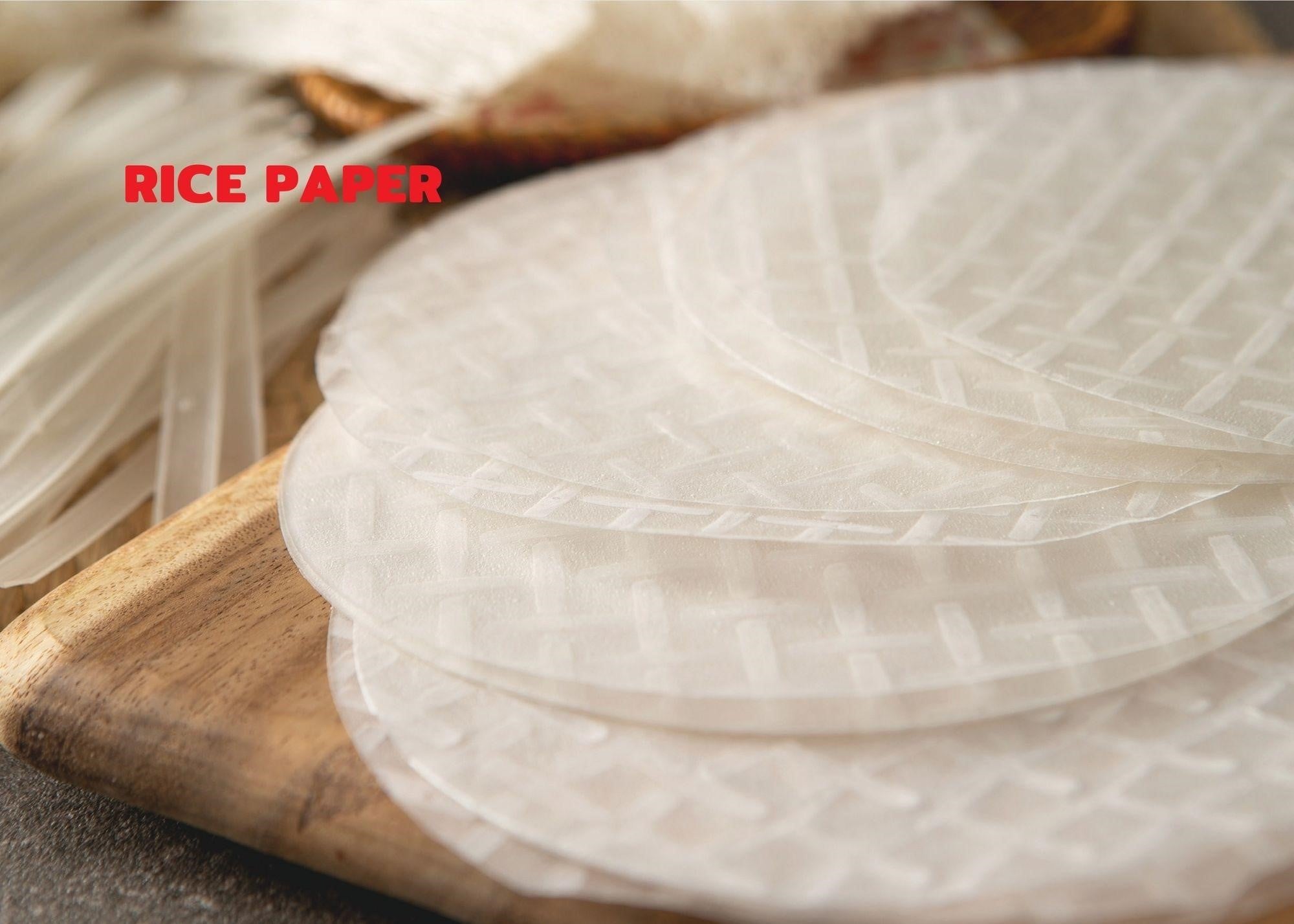
Why Is Rice Paper Gaining Global Attention?
Compatible with gluten-free and plant-based trends
Today’s global consumers are increasingly interested in:
- gluten-free foods
- clean-label products
- plant-based ingredients
- lighter and healthier meals
While many traditional wraps are made from wheat and contain gluten, rice paper is typically made with simple ingredients such as rice flour, tapioca starch, and salt. This makes it a better fit for modern healthy food trends.
Today, rice paper is increasingly used in:
- plant-based meals
- healthy wraps
- meal prep concepts
- fusion cuisine
- gluten-free menus
This is also one of the reasons why more importers and international retail chains are paying attention to high-quality export-standard rice paper products.
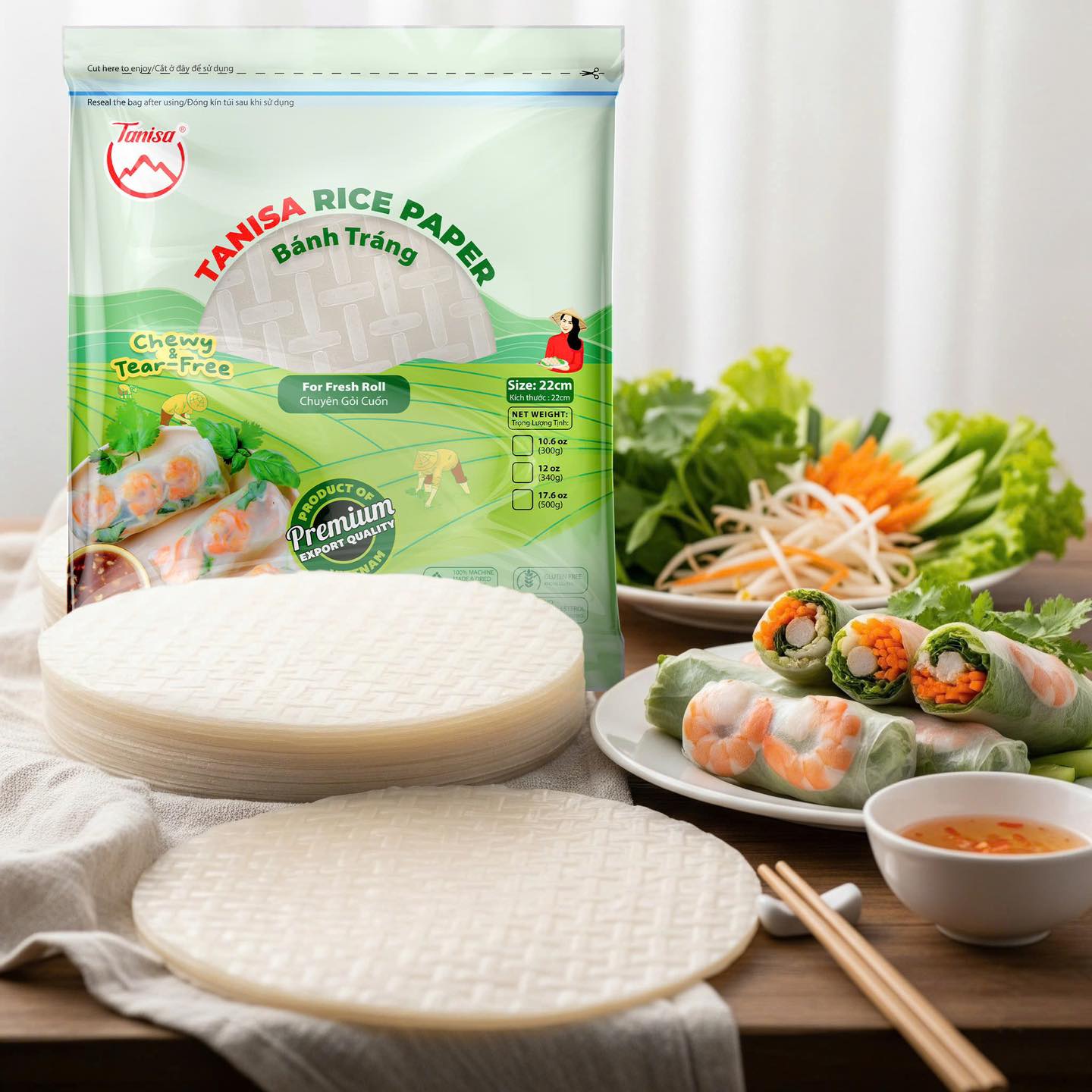
Flexible texture makes rice paper suitable for many dishes
One of the most unique characteristics of rice paper is its ability to change texture depending on the cooking method.
When soaked in water, rice paper becomes soft and slightly chewy — perfect for fresh rolls and light wraps.
When fried or air-fried, it turns crispy and light — ideal for snacks, appetizers, and modern fusion dishes.
Very few ingredients can transition so naturally between:
- fresh food
- crispy snacks
- wraps
- appetizers
- desserts
the way rice paper can.
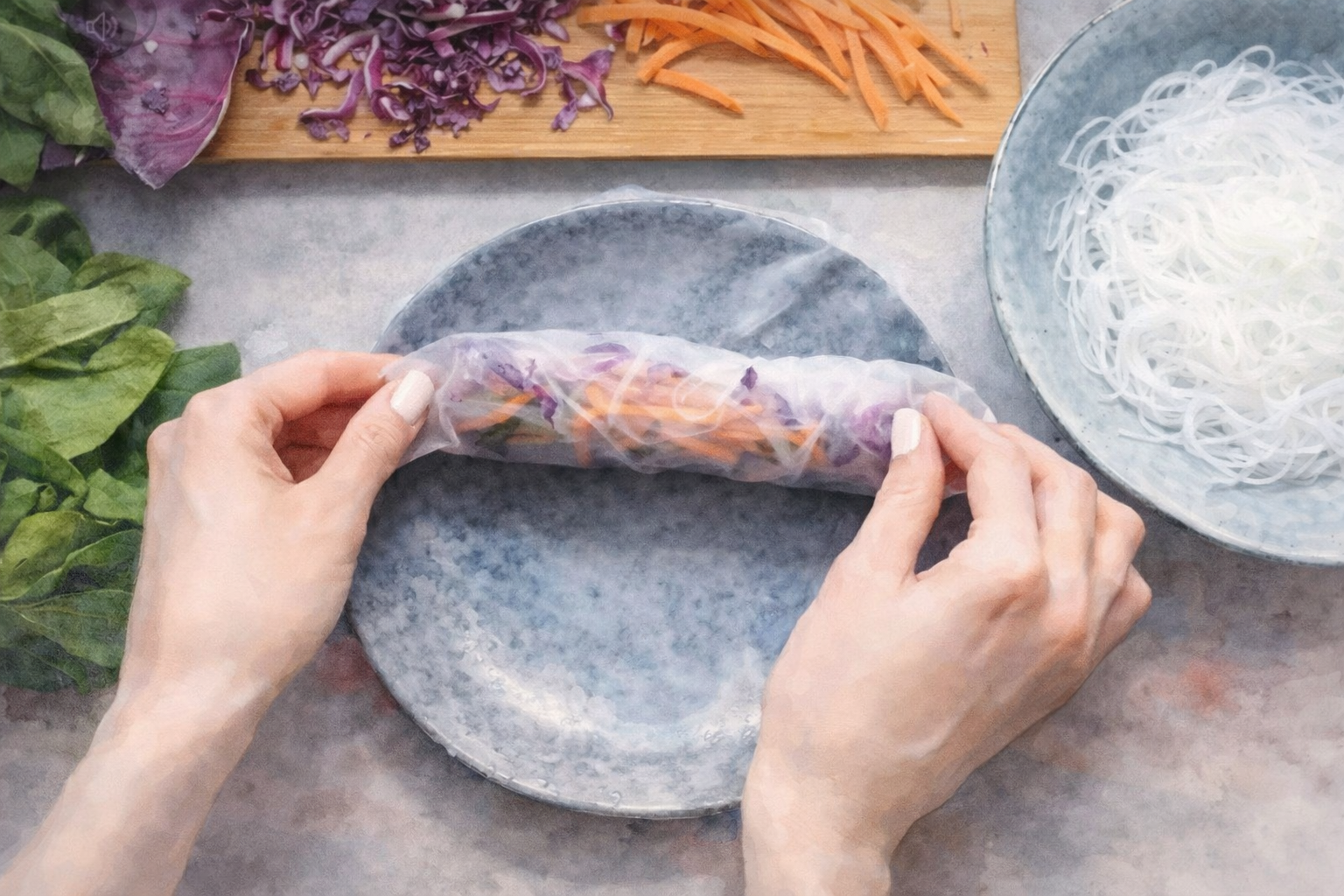
Popular Rice Paper Applications Around the World
Fresh rolls and healthy wraps
This remains the most iconic application of rice paper.
Rice paper can be used to wrap:
- fresh vegetables
- rice vermicelli
- shrimp
- meat
- tofu
- herbs
- fruits
Fresh rolls offer a dining experience that feels:
- light
- fresh
- less oily
- aligned with healthy eating trends
Today, many international restaurants include fresh rolls on their menus as healthy appetizers or plant-based meal options.
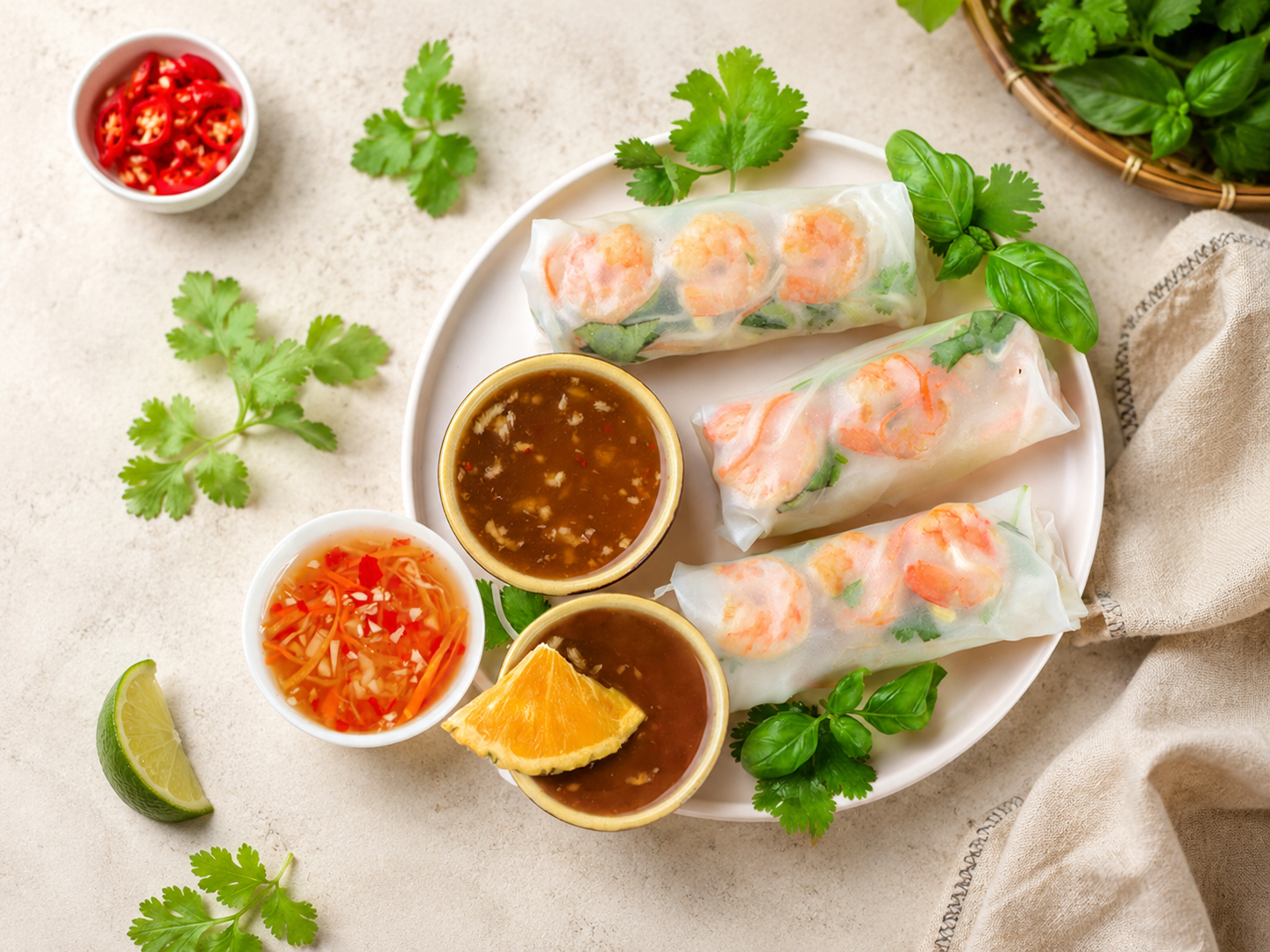
At Tanisa Foods JSC, rice paper products are developed following clean-label principles such as:
- gluten-free
- non-GMO
- plant-based
- no preservatives
These are key attributes increasingly valued in global markets.
Korean BBQ and hotpot wraps
In Korea, rice paper is becoming increasingly popular in meals such as Korean BBQ and hotpot.
Instead of using only lettuce wraps for grilled meat, many consumers now use rice paper to wrap:
- grilled meat
- kimchi
- vegetables
- sauces
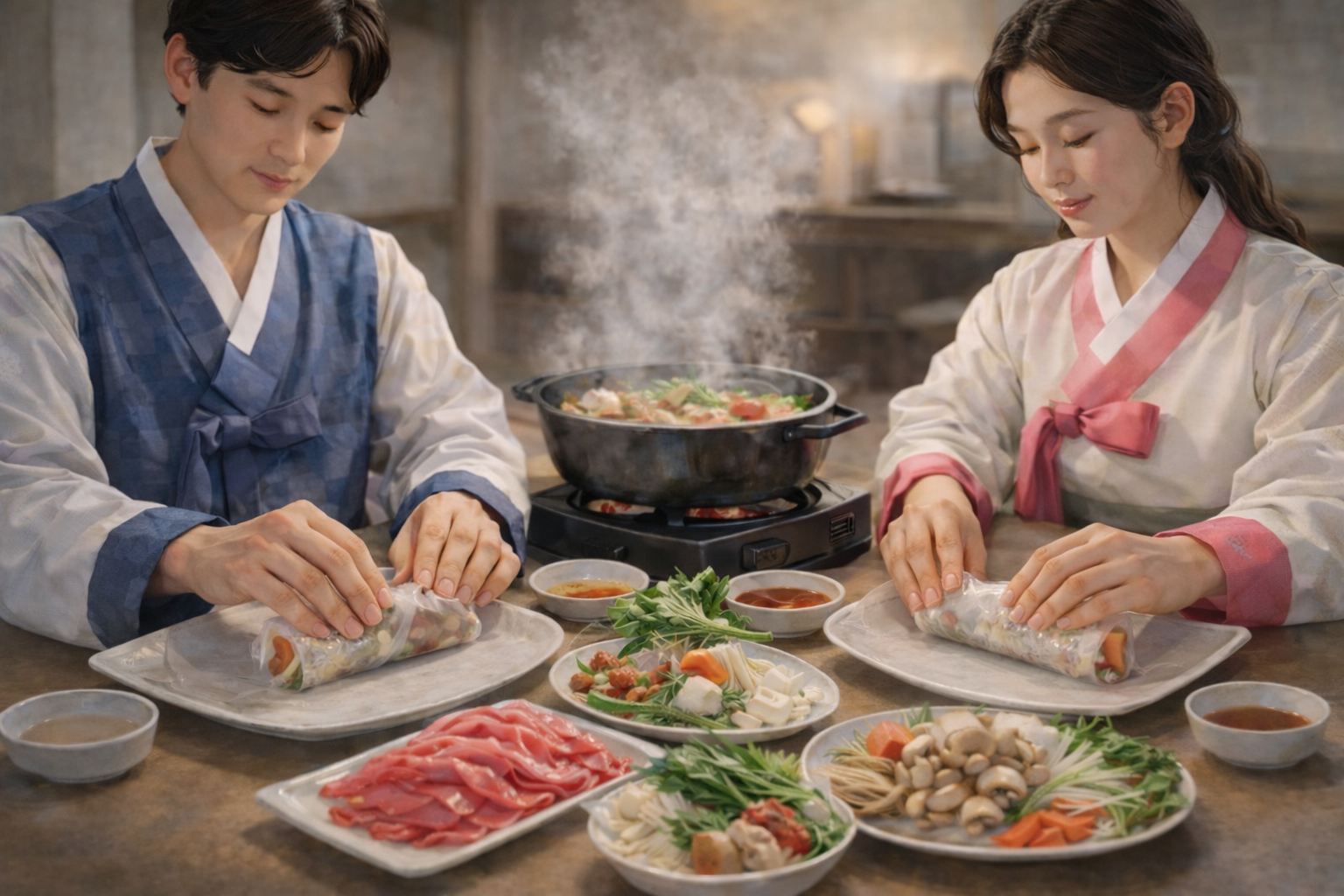
Compared to lettuce wraps, rice paper offers:
- a softer chewy texture
- better sauce retention
- easier wrapping
- a more flexible eating experience
This is also one reason why Korea has become one of the strongest export markets for Vietnamese rice paper.
According to Tanisa’s company profile, the company is currently among the leading exporters of rice paper to the Korean market and develops products tailored to Japanese and Korean standards.
Sushi fusion in Japan
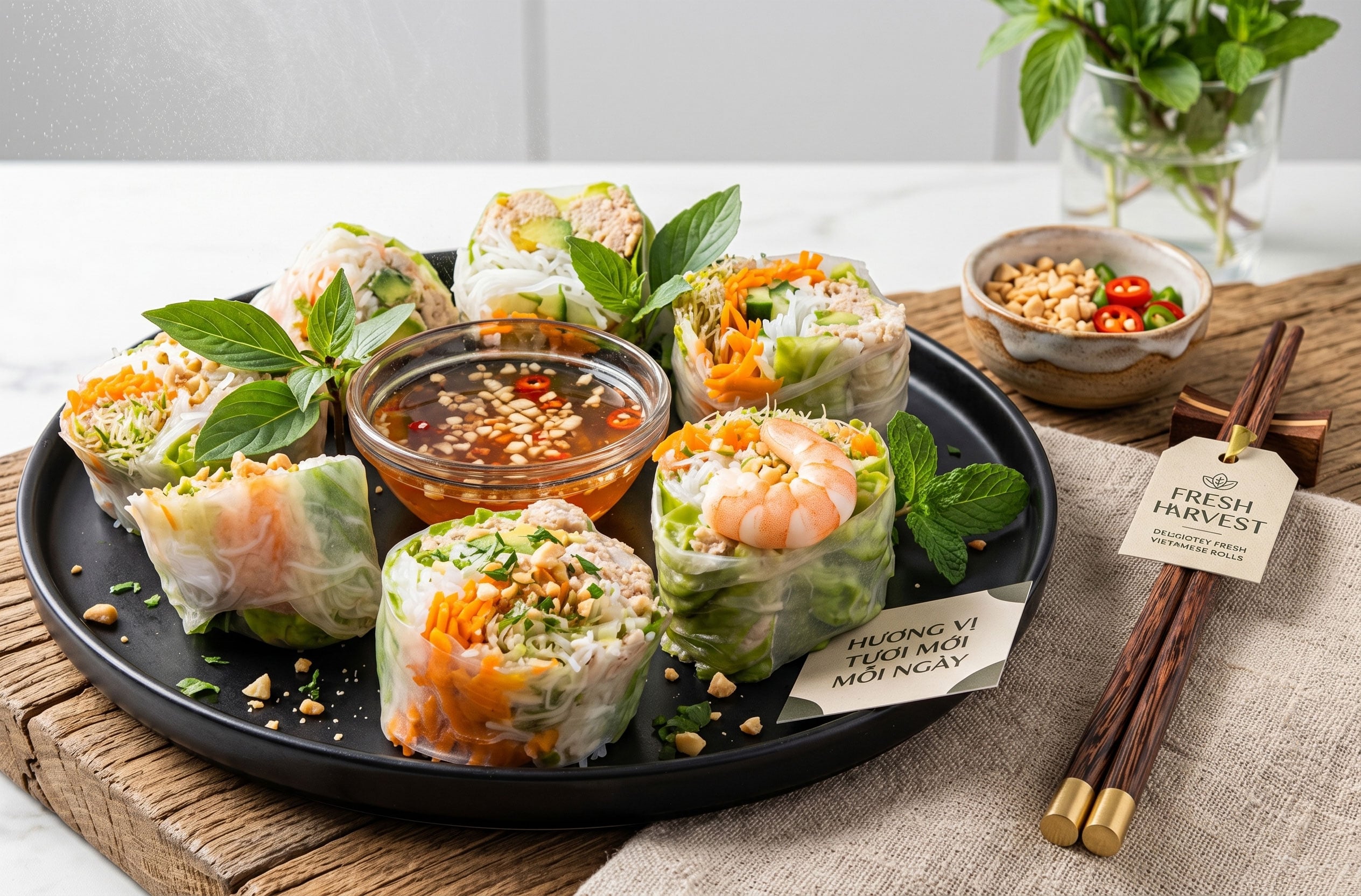
In Japan, rice paper is gradually appearing in modern sushi fusion concepts.
When used to replace seaweed or part of a traditional wrap layer, rice paper creates:
- a soft and slightly chewy texture
- a visually appealing translucent effect
- a lighter overall experience
- a fresh twist on modern sushi
This aligns perfectly with the growing fusion cuisine movement, where chefs continuously combine ingredients from different cultures to create new culinary experiences.
Creative snacks and crispy dishes
Rice paper is no longer limited to fresh wraps.
When baked, fried, or air-fried, rice paper can become:
- rice paper chips
- crispy wraps
- seasoned snacks
- fusion appetizers
- creative comfort food
Modern recipes often combine rice paper with:
- cheese
- avocado
- salsa
- cream cheese
- fruits
- chocolate
to create globally inspired snack concepts.
Tanisa also develops several rice paper-based snack products such as:
- mixed rice paper snack
- chilli rice paper
- sesame rice paper cracker
- rice paper with seaweed
This demonstrates how rice paper is expanding beyond the role of a simple wrapper into the snack and convenience food category.
Desserts and fruit rolls
Another growing trend is the use of rice paper in modern desserts.
In the United States and many international markets, rice paper is increasingly used for:
- fruit rolls
- dessert wraps
- crispy dessert applications
- fusion-style sweets
Many food creators are also using rice paper as an alternative to pastry wrappers to create unique textures in modern desserts.
This is a clear example of how rice paper is no longer limited to one culinary tradition.

What Makes Rice Paper Suitable for Global Food Trends?
Neutral flavor
Rice paper has a mild and neutral taste, making it easy to pair with:
- meat
- seafood
- vegetables
- fruits
- Asian or Western sauces
This versatility allows rice paper to work well in both traditional dishes and modern fusion cuisine.
Can be soft or crispy
Very few ingredients can function equally well in fresh rolls and crispy snack applications.
This flexibility makes rice paper highly suitable for:
- food innovation
- fusion cuisine
- healthy menus
- snack categories
- ready-meal concepts
Easy to customize for different markets
Today, rice paper is no longer limited to one traditional version.
Manufacturers now develop:
- brown rice paper
- vegetable color rice paper
- organic rice paper
- various sizes and shapes
to suit:
- retail
- foodservice
- meal kits
- private label
- fusion restaurants
Tanisa currently offers a wide range of rice paper products including:
- vegetable color rice paper
- organic rice paper
- brown rice paper
- green tea rice paper
The company also supports customization in:
- size
- shape
- ingredients
- packaging formats
________________________________________
From a Vietnamese Ingredient to a “Global Food Format”
What makes rice paper unique is not only its Vietnamese heritage.
What truly drives its growing global popularity is its adaptability to modern food trends such as:
- healthy eating
- fusion cuisine
- plant-based meals
- snack innovation
- meal kits
- foodservice applications
A single sheet of rice paper can become:
- a traditional Vietnamese fresh roll
- a Korean BBQ wrap
- sushi fusion
- a crispy snack
- a fruit roll
- a dessert
- a modern appetizer
That is why rice paper is no longer viewed simply as a local ingredient.
It is gradually becoming a flexible food platform for the global food industry.
________________________________________
Conclusion
From a traditional Vietnamese food ingredient, rice paper is steadily expanding its role in the global food industry.
Its flexible texture, compatibility with different cuisines, and alignment with healthy food trends have made rice paper a promising ingredient for:
- retail
- foodservice
- fusion cuisine
- snack innovation
- plant-based meals
Today, rice paper is no longer viewed only as a “Vietnamese wrapper,” but increasingly as a “global food format” that allows endless culinary creativity across different cuisines.
In this growing trend, Tanisa Foods JSC is one of the Vietnamese companies actively developing export-standard rice-based foods for international markets. Founded in 2015, Tanisa currently exports to more than 30 countries including the United States, Europe, Japan, Korea, and Australia, while supplying global supermarket chains, foodservice distributors, and restaurant groups.
With a clean-label and plant-based approach, Tanisa products are developed based on:
- gluten-free
- non-GMO
- no preservatives
- plant-based friendly
The company also holds international certifications such as:
- FSSC 22000
- ISO 22000:2018
- FDA (USA)
- KFDA (Korea)
- Halal
along with a 100% machine-made and machine-dried production system that ensures consistent quality and scalable export capacity.
In addition to traditional rice paper products, Tanisa also develops:
- vegetable color rice paper
- organic rice paper
- brown rice paper
- green tea rice paper
- snack and meal kit applications
to meet the growing demand for food innovation and fusion cuisine worldwide.
As global demand for gluten-free foods, healthy wraps, and rice-based products continues to rise, Vietnamese rice paper is expected to play an even bigger role in the international food industry — not only as a traditional ingredient, but as a flexible food platform for the future.
TANISA FOODS JSC, a strong brand in the market for the production and distribution of specialty products (rice paper, rice noodles...) and spices (seasoning) which exported to some countries such as USA, France, South Korea, Japan, Russia, Brunei...
TANISA FOODS JSC
Factory add 1: 188 Lac Long Quan Street, Quarter 3, Tan Ninh Ward, Tay Ninh Province, Vietnam
Factory add 2: Phu Hoa Dong, Cu Chi, Ho Chi Minh City, Viet Nam
Office in HCMC: 18th Floor, Vincom Building, 72 Le Thanh Ton Street, District 1, Ho Chi Minh City, Vietnam
Warehouse in HCMC: 2/3 Binh Gia, Tan Binh District, Ho Chi Minh City, Vietnam
Hotline: +84 938 118 699 (WhatsApp/WeChat), +84 938 198 299 (Zalo)




Email: marketing@tanisagroup.com
Website: www.tanisagroup.com
Facebook: Tanisa Foods JSC
Instagram: @tanisa_foods
Youtube: Tanisa Kitchen

Xem thêm