


Rice Paper Rolls as a Scalable Business Product
Rice paper rolls have evolved far beyond traditional Vietnamese cuisine.
Today, they are widely used in:
- Ready-to-eat products
- Meal kits
- Retail food lines
- Healthy food concepts
For many food businesses, the opportunity is no longer about “how to make rice paper rolls,” but:
👉 how to standardize, scale, and commercialize them successfully.
As global demand for healthy Asian food continues to grow, rice paper rolls are becoming a strong category for importers, retailers, and private label brands.
Why rice paper rolls are growing globally
Several market trends are driving demand:
- Consumers want lighter and healthier meals
- Asian cuisine continues to expand internationally
- Convenience food categories are growing rapidly
Compared to fried products, rice paper rolls are perceived as:
- Fresh
- Low-oil
- More natural
This positioning works especially well in:
- North America
- Europe
- Middle East premium retail markets
Many brands entering this segment first begin by sourcing reliable rice paper from experienced rice paper manufacturers before developing finished products.
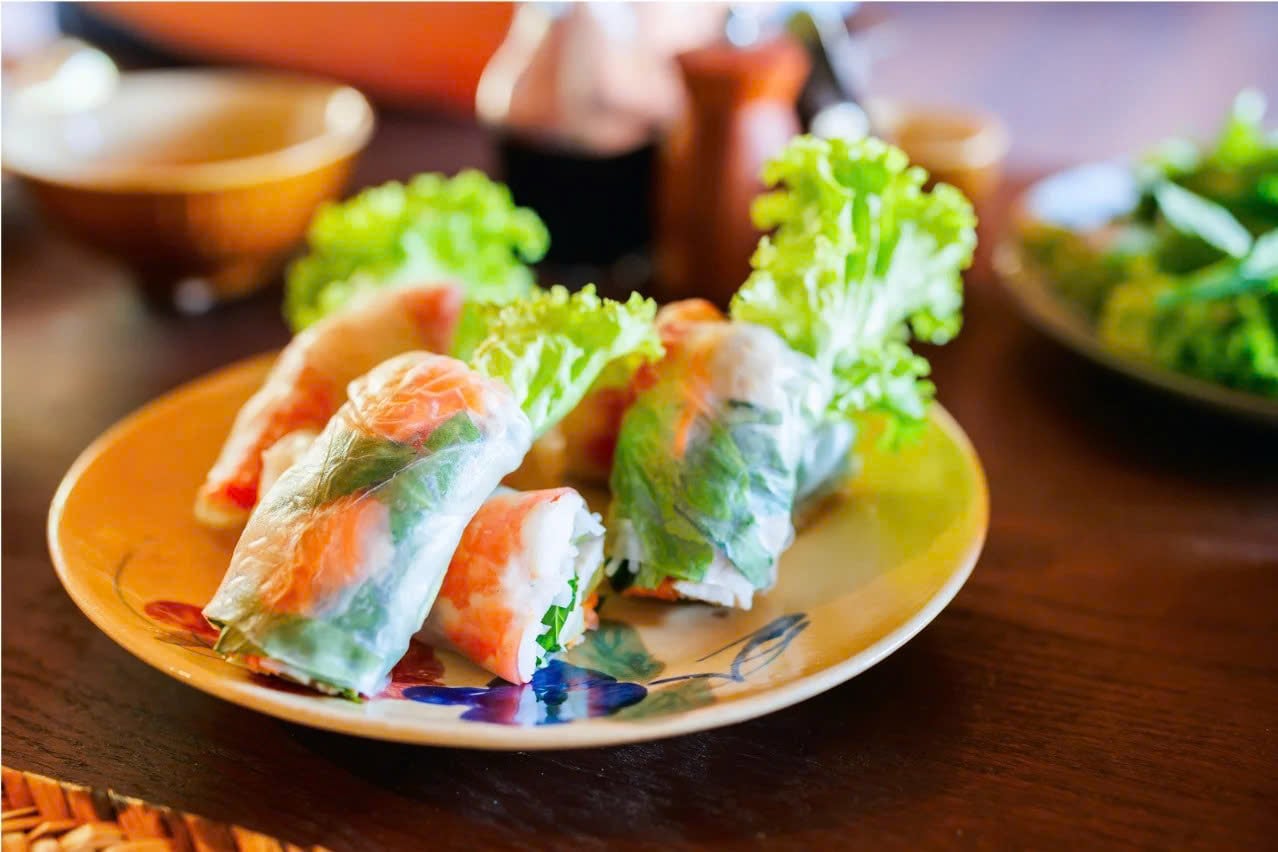
Rice paper rolls have evolved far beyond traditional Vietnamese cuisine.
The three most common business models
1. Ready-to-eat retail products
These products are sold in:
- Supermarkets
- Convenience stores
- Grab-and-go sections
The biggest challenge is maintaining:
- Product freshness
- Structural stability
- Visual presentation
Rice paper quality directly affects shelf performance.
2. Meal kits
Meal kits allow consumers to assemble rolls themselves.
This model works well because:
- Consumers enjoy customization
- Freshness perception is higher
- Preparation feels interactive
However, the rice paper must be:
- Easy to handle
- Flexible
- Consistent across batches
Otherwise, customer frustration increases quickly.
3. Food service and restaurant chains
Restaurant operators focus heavily on:
- Speed
- Labor efficiency
- Product consistency
If rice paper tears too easily or becomes sticky during preparation, kitchen performance drops immediately.
For chains serving Vietnamese rice paper rolls, operational consistency is often more important than premium appearance.
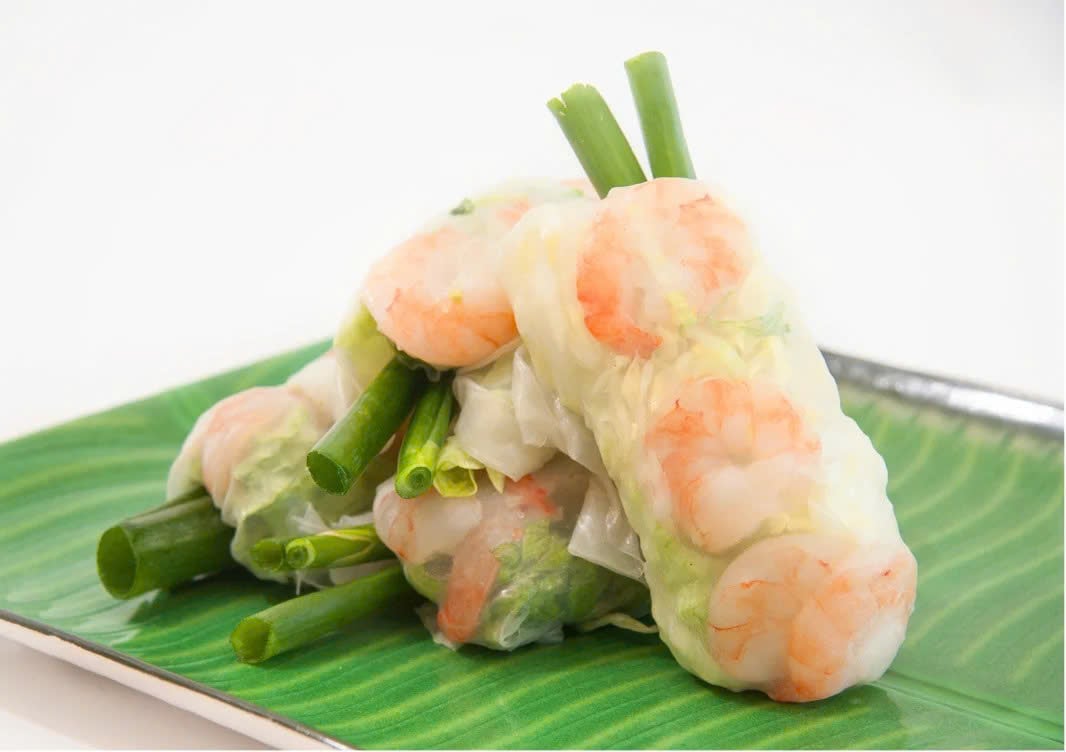
For chains serving Vietnamese rice paper rolls, operational consistency is often more important than premium appearance.
Why operational consistency matters more than taste
Many businesses initially focus on:
- Flavor
- Appearance
- Ingredient quality
But when scaling operations, the real challenge becomes:
- Consistency under pressure
A rice paper product that performs well during product development may fail during high-volume production.
Common problems include:
- Different hydration behavior
- Uneven texture
- Breakage during rolling
This is why many food brands conduct extensive testing with multiple rice paper specifications before commercial launch.
Cost structure and margin considerations
Rice paper itself is usually a low-cost ingredient.
However, it affects:
- Labor efficiency
- Waste rate
- Production speed
- Product yield
Even small improvements in material consistency can significantly improve operational margins.
For high-volume operations, reducing preparation errors by a few percentage points can create major savings over time.
The importance of ingredient standardization
Successful brands rarely change specifications frequently.
Instead, they:
- Standardize raw materials
- Build operational processes around stable specifications
- Work closely with OEM-capable suppliers
This is especially important for brands sourcing from rice paper manufacturers Vietnam for export-oriented production.
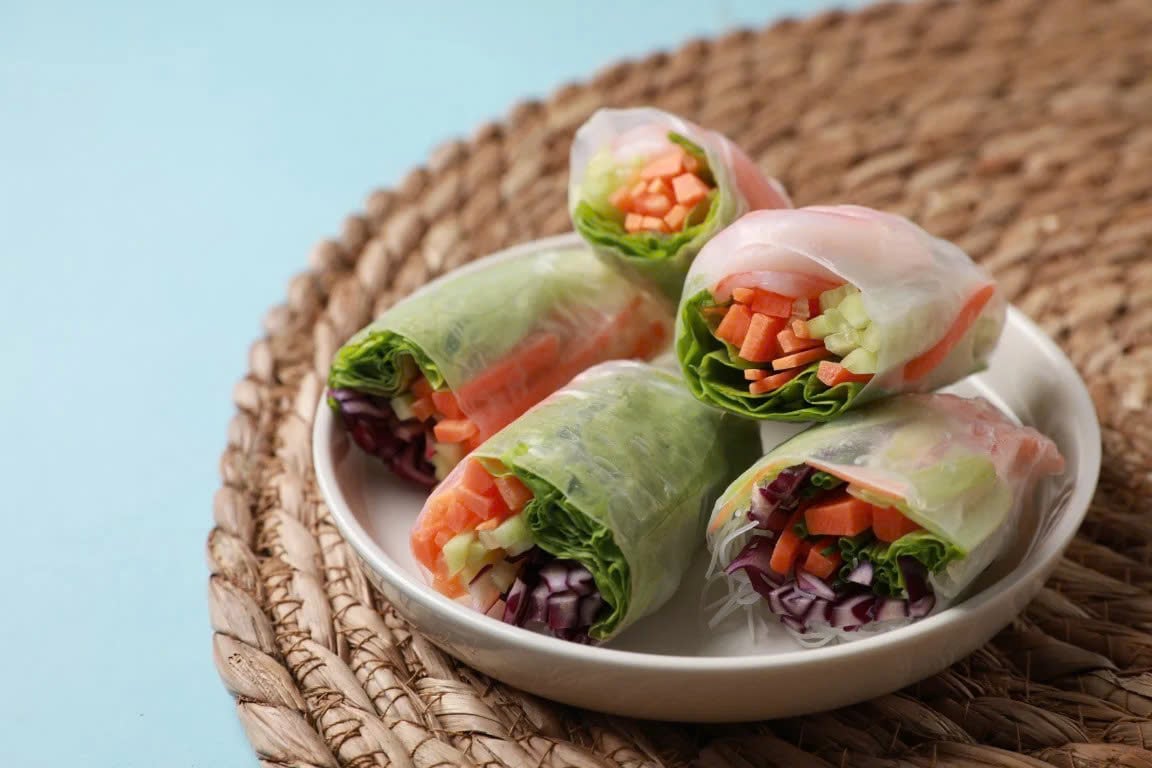
Vietnam has become one of the leading sources for rice paper rolls
Why Vietnam plays a key role in this category
Vietnam has become one of the leading sources for rice paper due to:
- Established manufacturing expertise
- Strong raw material availability
- Export-focused production systems
- OEM and private label capability
As demand for Asian convenience food grows, many international businesses are partnering directly with rice paper manufacturers Vietnam to secure long-term supply stability.
Conclusion
Rice paper rolls are no longer just a traditional food item.
They have become:
- A scalable retail product
- A food service solution
- A growing category in healthy convenience food markets
For businesses entering this segment, selecting the right raw material partner is one of the most important operational decisions.
If you are:
- Developing ready-to-eat products
- Launching meal kits
- Expanding food service operations
- Or building a private label brand
👉 Evaluating the right rice paper specification early can reduce operational risk significantly.
Learn more about:
- Rice Paper
- Rice Paper Manufacturers
- Vietnamese Rice Paper Rolls
TANISA FOODS JSC, a strong brand in the market for the production and distribution of specialty products (rice paper, rice noodles...) and spices (seasoning) which exported to some countries such as USA, France, South Korea, Japan, Russia, Brunei...
TANISA FOODS JSC
Factory add 1: 188 Lac Long Quan Street, Quarter 3, Tan Ninh Ward, Tay Ninh Province, Vietnam
Factory add 2: Phu Hoa Dong, Cu Chi, Ho Chi Minh City, Viet Nam
Office in HCMC: 18th Floor, Vincom Building, 72 Le Thanh Ton Street, District 1, Ho Chi Minh City, Vietnam
Warehouse in HCMC: 2/3 Binh Gia, Tan Binh District, Ho Chi Minh City, Vietnam
Hotline: +84 938 118 699 (WhatsApp/WeChat), +84 938 198 299 (Zalo)




Email: marketing@tanisagroup.com
Website: www.tanisagroup.com
Facebook: Tanisa Foods JSC
Instagram: @tanisa_foods
Youtube: Tanisa Kitchen

Xem thêm