


Bun Rice Noodles: Why Rice Vermicelli Fits Modern Food Service Operations
In modern food service environments, especially across:
- Asian restaurant chains,
- central kitchen systems,
- catering operations,
- and high-volume commercial kitchens,
success depends not only on flavor, but also on:
- operational consistency,
- preparation efficiency,
- and kitchen scalability.
This is where bun rice noodles provide strong commercial value.
Unlike consumer-focused food trends, professional buyers evaluate noodles based on:
- cooking performance,
- stability during service,
- ease of standardization,
- and operational reliability.
As a result:
👉 bun rice noodles have become one of the most practical noodle formats for modern food service businesses.
Why Bun Rice Noodles Fit Food Service Operations
1. Easy kitchen standardization
For restaurant chains and food service operators:
- consistency is critical.
Stable noodle performance helps:
- standardize menu quality,
- simplify staff training,
- reduce preparation errors,
- and improve kitchen workflow.
This becomes especially important during:
- peak-hour operations,
- batch cooking,
- and high-volume service environments.
2. Flexible preparation workflow
Bun rice noodles are suitable for:
- quick cooking,
- easy portioning,
- and pre-service preparation.
This helps restaurants:
- improve serving speed,
- reduce waiting time,
- and optimize labor efficiency.
For commercial kitchens:
👉 operational speed directly affects profitability.
3. Versatile menu applications
Unlike some noodle categories that are limited to specific dishes, bun rice noodles can be used across multiple formats:
- noodle bowls,
- cold noodle salads,
- stir-fried dishes,
- takeaway meals,
- ready-to-eat food systems.
This versatility allows restaurant operators to:
👉 expand menus without increasing ingredient complexity.
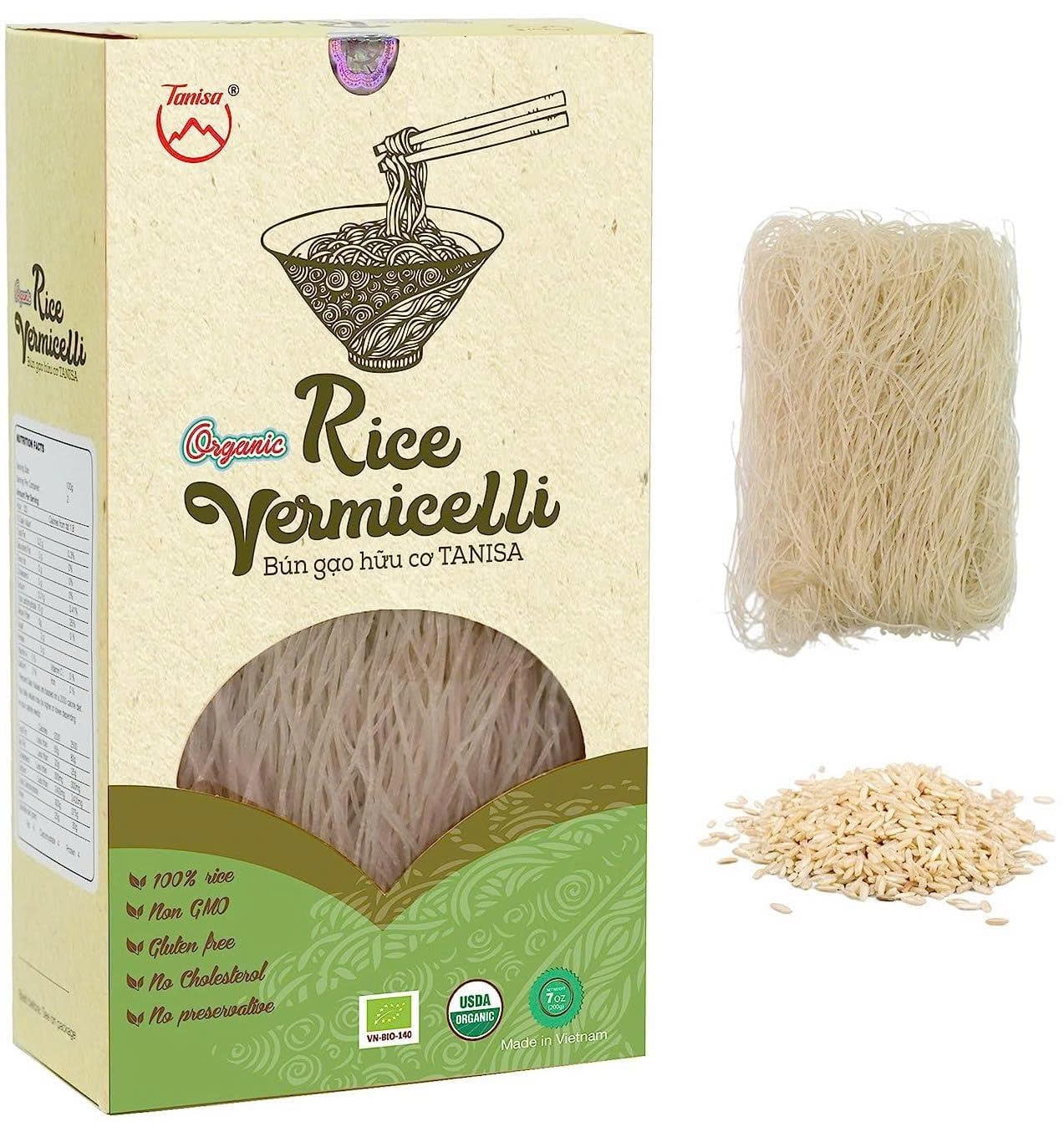
Bun rice noodles are suitable for: quick cooking, easy portioning, and pre-service preparation.
Key Quality Factors for Commercial Bun Rice Noodles
1. Cooking consistency
Professional-grade bun noodles should:
- cook evenly,
- avoid sticking,
- maintain structure,
- and perform consistently across batches.
Inconsistent cooking performance can negatively affect:
- kitchen workflow,
- service speed,
- and customer experience.
2. Texture stability
In food service operations, noodles are often held before serving.
High-quality bun rice noodles should:
- remain soft without becoming mushy,
- maintain light elasticity,
- and retain texture stability during holding time.
This is especially important for:
- delivery kitchens,
- takeaway systems,
- buffet operations,
- and meal prep services.
3. High-volume kitchen performance
Some noodle products perform well in small kitchens but struggle in:
- large-scale operations,
- batch cooking systems,
- or high-demand restaurant environments.
Professional buyers typically evaluate:
- heat resistance,
- texture consistency,
- and repeatability during bulk preparation.
Fresh vs Dried Bun Rice Noodles
Fresh bun noodles
Advantages
-
naturally soft texture,
-
suitable for local restaurants.
Limitations
-
short shelf life,
-
cold-chain logistics required,
-
difficult for international export.
Dried bun noodles
Advantages
- long shelf life,
- export-friendly,
- easier inventory management,
- suitable for wholesale and retail distribution.
This is the preferred format for most:
👉 importers, distributors, and food service buyers.
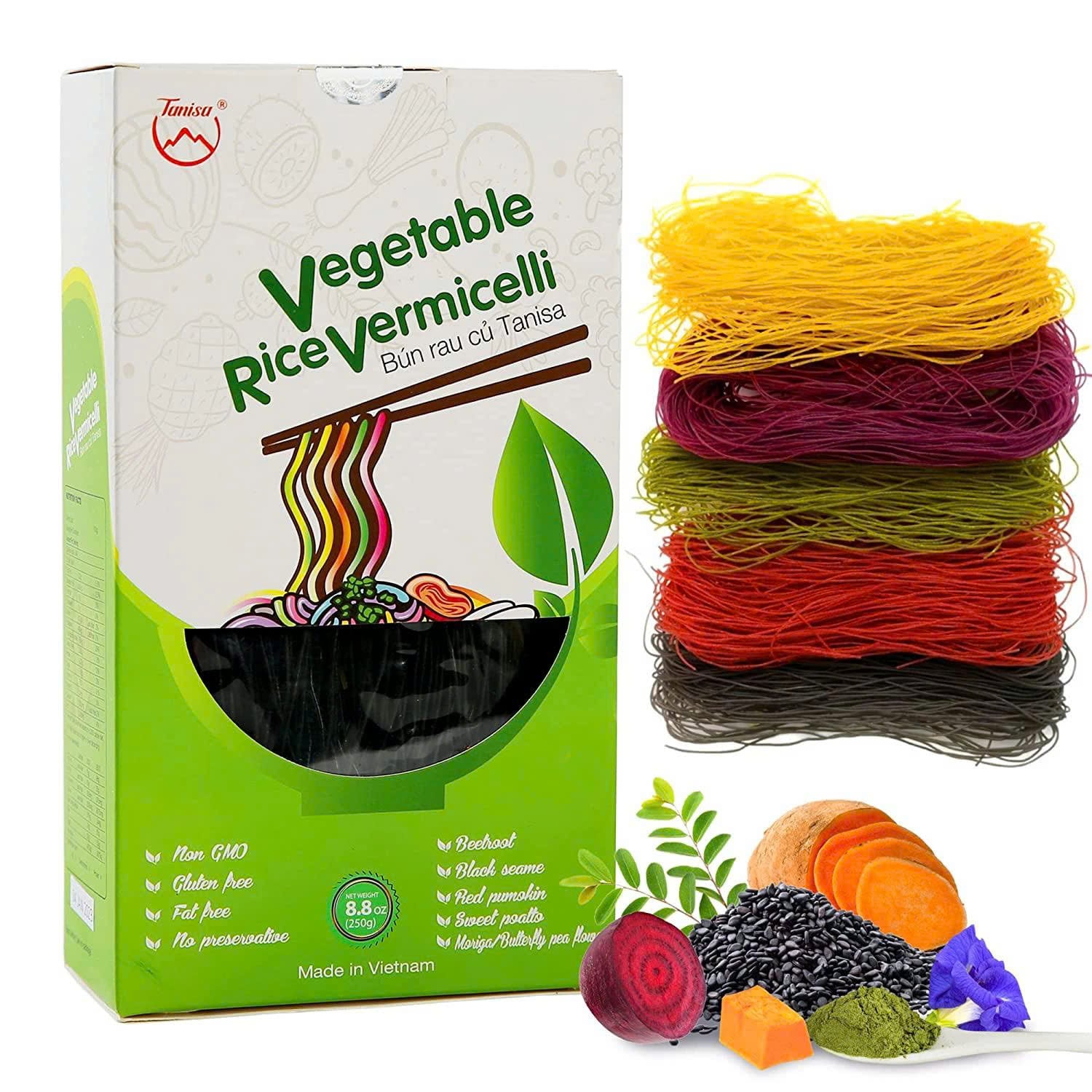
Bun Rice Noodles
Common Sourcing Challenges
Batch inconsistency
When product quality varies between shipments:
- cooking time changes,
- texture becomes unstable,
- and kitchen standardization becomes difficult.
This directly impacts:
- operational efficiency,
- customer satisfaction,
- and brand consistency.
Breakage during transportation
Rice noodles are sensitive to:
- humidity,
- packaging quality,
- and logistics handling.
Poor packaging may lead to:
- product breakage,
- higher waste rates,
- and retail presentation issues.
Limited production scalability
Some manufacturers cannot support:
- large-volume orders,
- stable lead times,
- or long-term supply contracts.
This creates risks for:
- restaurant chains,
- distributors,
- and food service systems.
Why Vietnam Is a Major Production Hub
Vietnam offers strong advantages in rice noodle manufacturing:
- stable rice supply,
- long production experience,
- competitive manufacturing costs,
- and export-oriented infrastructure.
In recent years, Vietnamese factories have invested heavily in:
- automated production systems,
- international food safety standards,
- and export manufacturing capability.
As a result:
👉 are increasingly preferred in global food service markets.
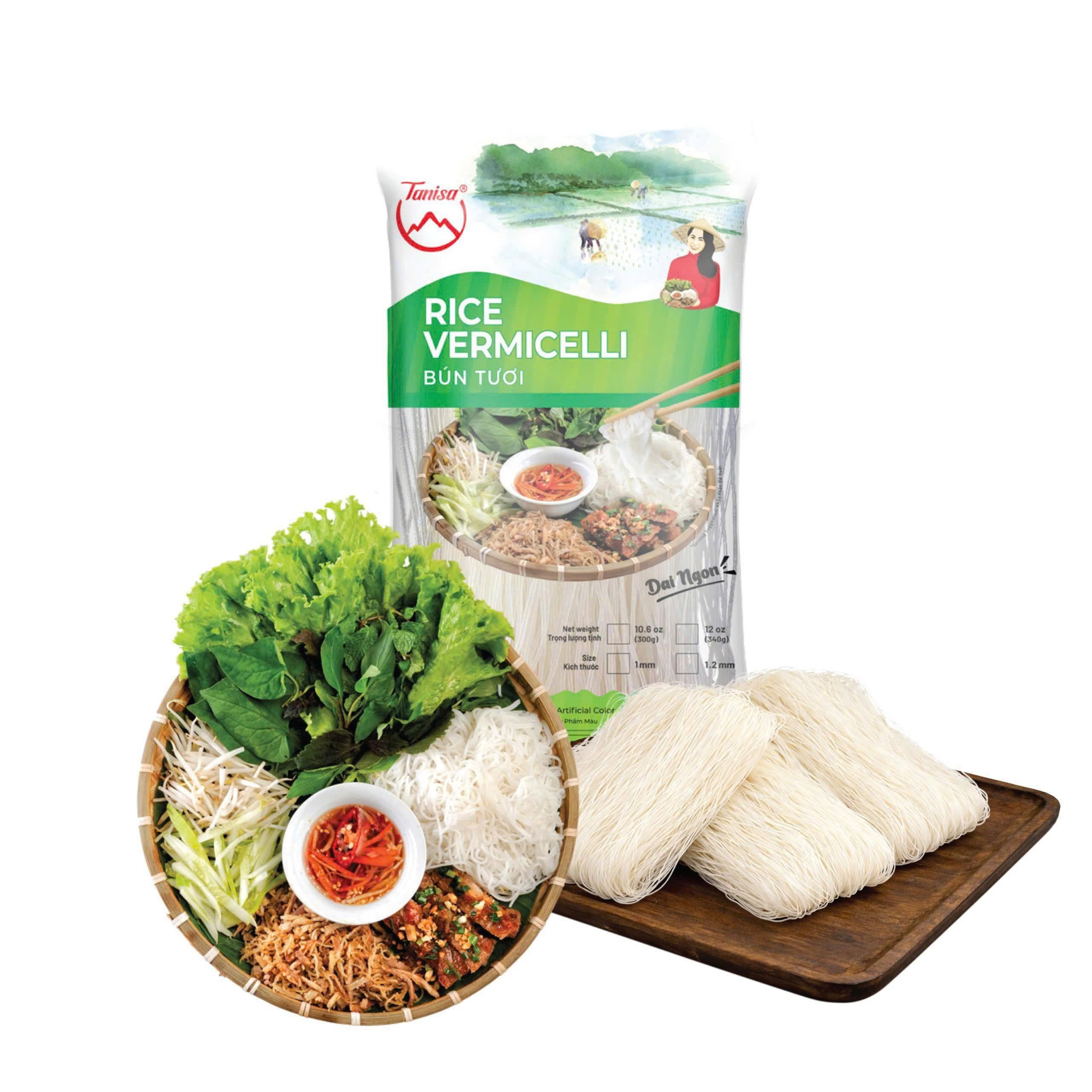
Bun rice noodles have become one of the most practical noodle formats for modern food service businesses.
How Tanisa Supports Food Service Buyers
Tanisa Foods JSC is a Vietnamese manufacturer specializing in:
- rice noodles,
- rice vermicelli,
- rice paper,
- and rice-based food products for international markets.
Today, Tanisa exports to more than 30 countries and regions, supplying products to:
- food distributors,
- restaurant groups,
- supermarket chains,
- and global food service partners.
For bun rice noodles specifically, Tanisa focuses on:
- stable texture performance,
- consistent cooking behavior,
- and reliable quality for high-volume kitchen operations.
All products are manufactured using modern machine-made and drying systems to ensure:
- batch consistency,
- operational stability,
- and scalable export production capability.
Tanisa holds international certifications including:
- FSSC 22000,
- ISO 22000:2018,
- FDA registration (USA),
- KFDA registration (Korea),
- and Halal certification.
In addition, Tanisa products align with modern food trends through features such as:
- Gluten Free,
- Non-GMO,
- No Preservatives,
- and Plant-Based positioning.
Tanisa also supports:
👉 OEM and private label solutions tailored to different international market requirements.
Conclusion
Today, bun rice noodles are no longer viewed simply as a traditional Asian ingredient.
In modern food service systems, they represent:
- operational efficiency,
- scalable kitchen performance,
- menu flexibility,
- and reliable commercial supply.
For professional buyers, the true value of bun rice noodles is defined not only by taste, but by:
👉 consistency, operational performance, and long-term supply reliability.
Learn More
Contact Tanisa
If you are looking for:
- bun rice noodle supplier,
- Vietnam rice noodle manufacturer,
- or a reliable food service export partner,
👉 Tanisa can support your sourcing and product development needs for international markets.
TANISA FOODS JSC, a strong brand in the market for the production and distribution of specialty products (rice paper, rice noodles...) and spices (seasoning) which exported to some countries such as USA, France, South Korea, Japan, Russia, Brunei...
TANISA FOODS JSC
Factory add 1: 188 Lac Long Quan Street, Quarter 3, Tan Ninh Ward, Tay Ninh Province, Vietnam
Factory add 2: Phu Hoa Dong, Cu Chi, Ho Chi Minh City, Viet Nam
Office in HCMC: 18th Floor, Vincom Building, 72 Le Thanh Ton Street, District 1, Ho Chi Minh City, Vietnam
Warehouse in HCMC: 2/3 Binh Gia, Tan Binh District, Ho Chi Minh City, Vietnam
Hotline: +84 938 118 699 (WhatsApp/WeChat), +84 938 198 299 (Zalo)




Email: marketing@tanisagroup.com
Website: www.tanisagroup.com
Facebook: Tanisa Foods JSC
Instagram: @tanisa_foods
Youtube: Tanisa Kitchen

Xem thêm