


Rice Noodle Supplier Guide: How Global Buyers Choose the Right Manufacturing Partner
Rice noodles are no longer just a traditional Asian food product.
Today, they play an important role in:
- Asian restaurant chains,
- healthy food categories,
- meal kits,
- retail food products,
- and private label brands across global markets.
However, many businesses face serious challenges when scaling imports:
- inconsistent texture between batches,
- broken noodles during transportation,
- unstable cooking performance,
- or products that fail in real commercial operations.
This shows that:
👉 choosing the right rice noodle supplier is not simply about pricing. It directly affects operational performance, customer experience, and long-term business growth.
Why Global Demand for Rice Noodles Continues to Grow
Consumer preferences are changing rapidly worldwide.
Today’s customers increasingly prefer:
- gluten-free products,
- simple ingredients,
- Asian cuisine,
- and healthier convenience food.
Rice noodles fit these trends extremely well because they are:
- versatile,
- lightweight,
- easy to integrate into multiple cuisines,
- and more suitable for many modern diets compared to wheat noodles.
As a result, restaurants and food brands are rapidly expanding categories such as:
- pho noodles,
- stir-fry noodles,
- ready-to-eat Asian meals,
- and frozen meal solutions.
This is one reason why global searches for:
- rice noodle manufacturer,
- OEM rice noodles,
- and bulk rice noodles
- continue to increase significantly.
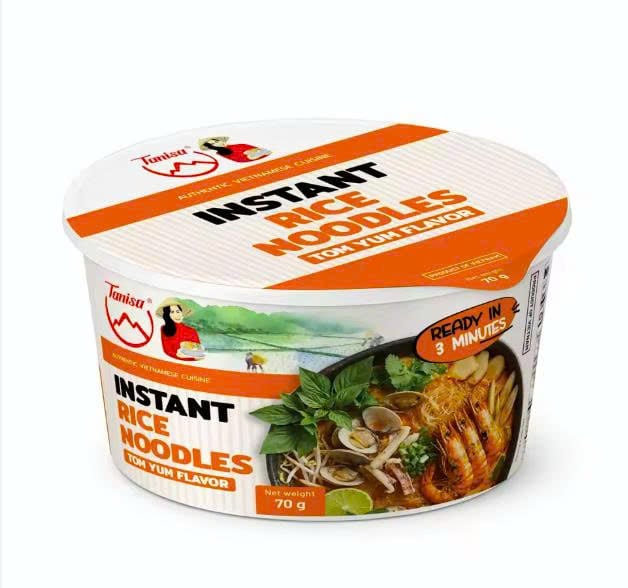
Why Global Demand for Rice Noodles Continues to Grow
Why Sourcing Rice Noodles Is More Complex Than Many Buyers Expect
Many new importers initially assume rice noodles are simple products.
However, commercial-scale operations reveal many hidden challenges.
Common problems include:
- noodles becoming too soft during service,
- inconsistent texture between batches,
- breakage during high-volume cooking,
- or packaging that cannot withstand international logistics conditions.
A product that performs well during sample testing may still fail in:
- busy restaurant kitchens,
- retail distribution systems,
- or large-scale food service operations.
This is why many importers now prefer working directly with rice noodle manufacturers instead of general trading companies.
Key Factors Buyers Should Evaluate Before Choosing a Rice Noodle Supplier
1. Manufacturing capability
A professional factory must ensure:
- stable production systems,
- scalable output capacity,
- and consistency across large production volumes.
For distributors and retail chains, long-term consistency is far more important than short-term low pricing.
2. Quality control systems
Rice noodles directly affect the end consumer experience.
Manufacturers should maintain:
- strict quality control processes,
- moisture control systems,
- texture testing procedures,
- and international food safety standards.
Common certifications include:
- HACCP,
- ISO,
- FDA,
- and BRC.
These certifications are increasingly required for export markets.
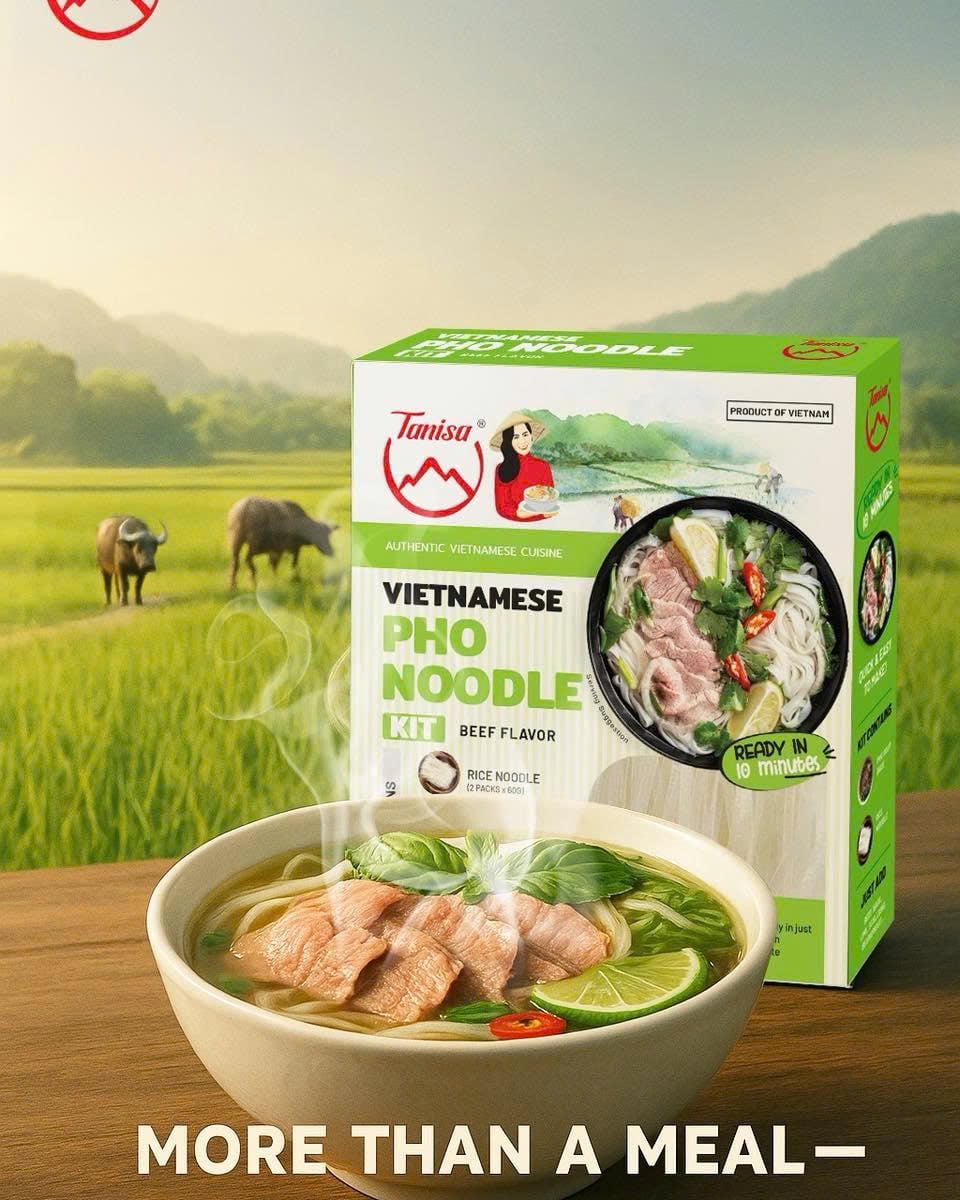
Key Factors Buyers Should Evaluate Before Choosing a Rice Noodle Supplier
3. OEM & private label capability
Many international brands do not simply want standard products.
They require:
- custom packaging,
- private branding,
- adjusted specifications,
- or product development support for specific markets.
An experienced OEM rice noodle supplier can support:
- texture customization,
- packaging optimization,
- shelf-life improvements,
- and product adaptation for different business models.
4. MOQ and scalability
Some suppliers only support small-volume production.
However, for importers and retail chains, the more important factors are:
- production scalability,
- stable delivery schedules,
- and long-term supply reliability.
This is one of the most overlooked areas during early sourcing stages.
Common Problems Importers Face When Sourcing Rice Noodles
Inconsistent texture
This is one of the most common issues.
When noodle texture changes between shipments:
- restaurants struggle to standardize dishes,
- customer experience becomes inconsistent,
- and brand perception weakens.
Noodle breakage during transportation
International logistics place significant pressure on dried noodle products.
If:
- moisture levels are unstable,
- packaging is weak,
- or noodle structures are too fragile,
breakage rates can become extremely high.
Poor operational performance in food service
Some noodles perform well in small-scale cooking but fail completely in commercial kitchens.
For example:
- clumping,
- rapid over-softening,
- or inability to maintain texture during continuous service.
This directly reduces operational efficiency.
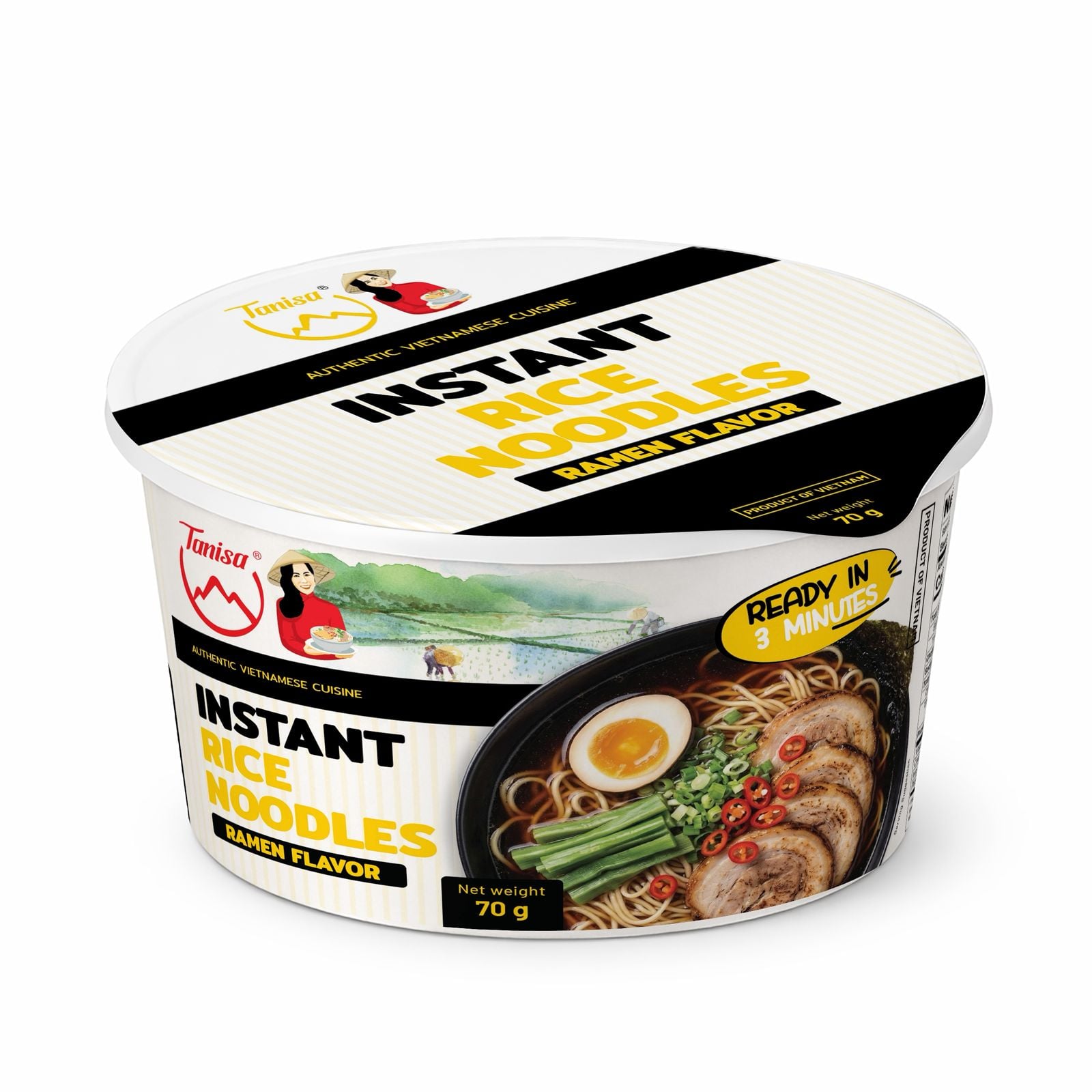
Common Problems Importers Face When Sourcing Rice Noodles
Why Vietnam Is Becoming a Strategic Rice Noodle Sourcing Hub
Vietnam has major advantages in rice noodle manufacturing due to:
- strong rice raw material supply,
- long manufacturing experience,
- competitive production costs,
- and increasingly professional export systems.
Today, many global buyers source directly from Vietnam to:
- reduce sourcing costs,
- improve supply flexibility,
- and strengthen long-term supply chain stability.
In particular, many rice noodle factories in Vietnam are rapidly expanding:
- OEM capabilities,
- automation systems,
- and export-standard manufacturing processes.
How Tanisa Supports Global Buyers
Tanisa positions itself as:
👉 Vietnam Rice Paper & Noodle Manufacturer.
The company focuses on:
- export manufacturing,
- OEM/private label production,
- large-scale manufacturing,
- and long-term partnerships with global importers and distributors.
Tanisa supports customers through:
- OEM packaging solutions,
- custom product specifications,
- export consultation,
- and flexible production support.
Conclusion
Rice noodles are no longer simple commodity food products.
For importers, distributors, and food brands, they directly impact:
- operations,
- brand consistency,
- customer experience,
- and scalability.
Choosing the right rice noodle supplier is not only about reducing costs —
it is about building a more reliable and sustainable supply chain for long-term growth.
Learn More
Contact Tanisa
If you are looking for:
- a rice noodle supplier,
- or a reliable Vietnamese food export partner,
👉 contact Tanisa for tailored sourcing and manufacturing solutions.
TANISA FOODS JSC, a strong brand in the market for the production and distribution of specialty products (rice paper, rice noodles...) and spices (seasoning) which exported to some countries such as USA, France, South Korea, Japan, Russia, Brunei...
TANISA FOODS JSC
Factory add 1: 188 Lac Long Quan Street, Quarter 3, Tan Ninh Ward, Tay Ninh Province, Vietnam
Factory add 2: Phu Hoa Dong, Cu Chi, Ho Chi Minh City, Viet Nam
Office in HCMC: 18th Floor, Vincom Building, 72 Le Thanh Ton Street, District 1, Ho Chi Minh City, Vietnam
Warehouse in HCMC: 2/3 Binh Gia, Tan Binh District, Ho Chi Minh City, Vietnam
Hotline: +84 938 118 699 (WhatsApp/WeChat), +84 938 198 299 (Zalo)



Email: marketing@tanisagroup.com
Website: www.tanisagroup.com
Facebook: Tanisa Foods JSC
Instagram: @tanisa_foods
Youtube: Tanisa Kitchen

Xem thêm