


Bun Vietnamese Noodles: How Vietnamese Cuisine Is Creating Global Business Opportunities
Over the past decade, Vietnamese cuisine has expanded rapidly across:
- restaurant chains,
- retail food systems,
- meal kit platforms,
- and international food service markets.
Consumers today are looking for:
- healthier meal options,
- authentic Asian flavors,
- and products with strong cultural identity.
Vietnamese noodle products fit these trends well because they are:
- rice-based,
- light in texture,
- highly versatile,
- and naturally aligned with gluten-free food positioning.
As a result:
👉 bun Vietnamese noodles are becoming an increasingly valuable category for importers, distributors, and retail food brands worldwide.
Why Vietnamese Cuisine Is Growing Globally
1. Demand for lighter and healthier meals
Modern consumers are shifting toward:
- lighter carbohydrates,
- less oily meals,
- plant-based eating habits,
- and transparent ingredient sourcing.
Vietnamese cuisine naturally aligns with these preferences through:
- fresh vegetables,
- balanced flavor profiles,
- rice-based ingredients,
- and lighter cooking styles.
This makes Vietnamese food more accessible to global consumers compared to many heavier Asian cuisines.
2. Asian food is becoming mainstream
Asian food is no longer limited to:
- ethnic grocery stores,
- niche restaurants,
- or Asian communities.
Today:
- supermarket chains,
- retail ready-meal brands,
- food delivery systems,
- and meal kit companies
are rapidly expanding Asian food categories.
Within this trend:
👉 Vietnamese noodle products are becoming increasingly popular due to their versatility and approachable flavor profile.
3. “Authentic Vietnamese” has strong branding value
In modern food branding:
- authenticity matters.
Consumers are not only buying food products —
they are also buying:
- cultural experiences,
- origin stories,
- and authentic culinary identity.
This gives “Vietnamese noodles” strong commercial positioning across:
- retail packaging,
- restaurant branding,
- and Asian food marketing strategies.
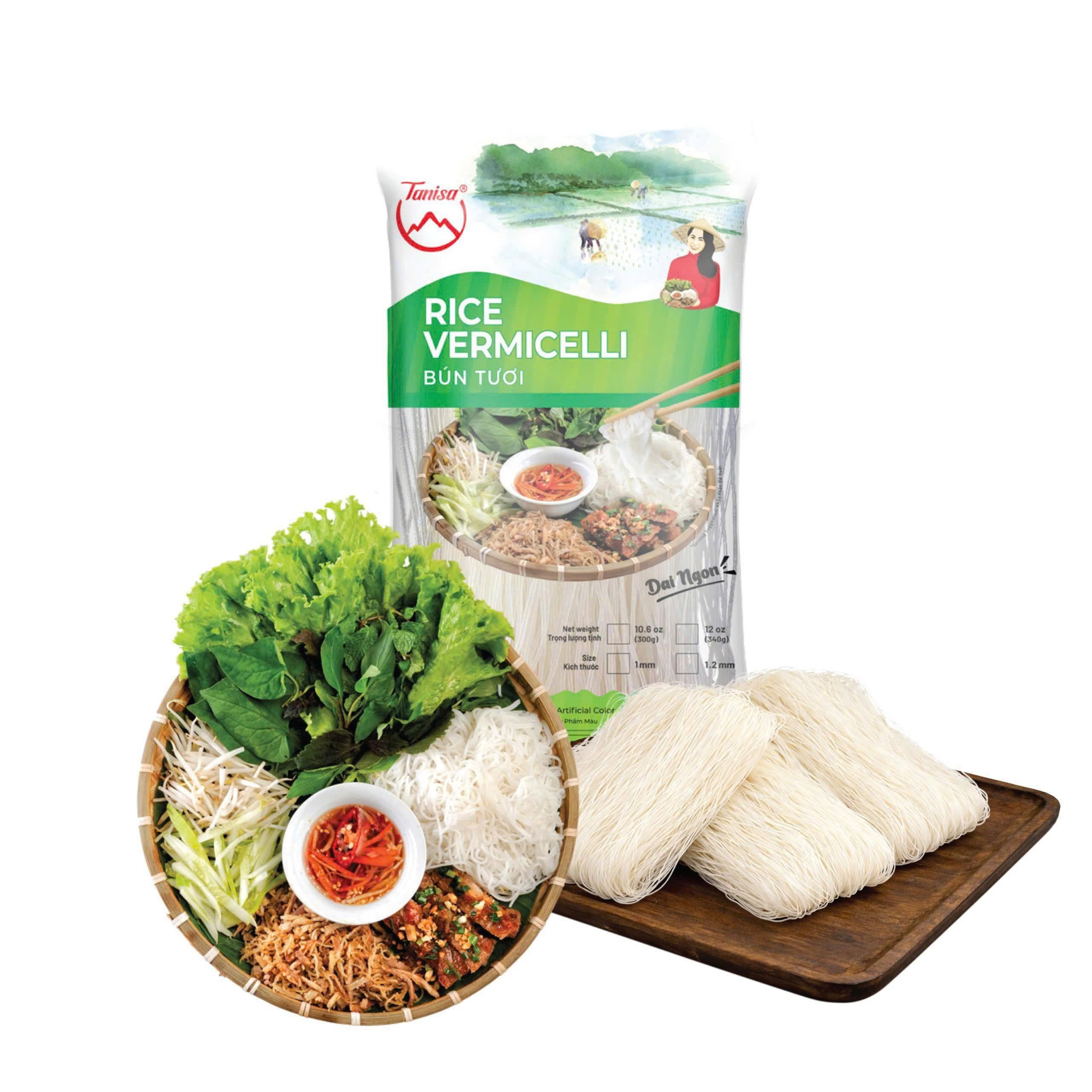
Bun Vietnamese noodles are becoming an increasingly valuable category for importers, distributors, and retail food brands worldwide.
Commercial Applications of Bun Vietnamese Noodles
Restaurant chains
Bun Vietnamese noodles are widely used in:
- Vietnamese noodle bowls,
- fusion Asian menus,
- healthy fast-casual concepts,
- and salad-based meals.
This helps restaurants:
👉 diversify menus while building an authentic Vietnamese food experience.
Retail packaged products
In retail systems, bun noodles are commonly used in:
- ready-to-eat meals,
- frozen Vietnamese products,
- packaged Asian food categories,
- and convenience food systems.
Products positioned as “authentic Vietnamese” often achieve:
👉 stronger shelf differentiation and higher perceived value.
Meal kit & convenience food systems
Meal kit brands increasingly use Vietnamese noodle products because they:
- are easy to standardize,
- fit healthy eating trends,
- and support convenient meal preparation.
This creates strong demand for:
- scalable Vietnamese noodle supply,
- export-ready packaging,
- and stable product consistency.
Why Importers and Retail Brands Are Interested
Strong market scalability
Vietnamese food appeals to:
- mainstream consumers,
- younger demographics,
- and health-conscious buyers.
This gives Vietnamese noodle categories strong expansion potential in global retail markets.
High branding potential
Products associated with:
- Vietnamese cuisine,
- authentic Asian flavors,
- and rice-based ingredients
often create stronger differentiation in competitive retail environments.
This is why many importers are investing in:
- Vietnamese food brands,
- private label Asian products,
- and ready-to-eat Vietnamese meal concepts.
Alignment with Gluten-Free & Plant-Based Trends
Rice noodles naturally support:
- gluten-free positioning,
- plant-based product development,
- and clean-label food trends.
These factors are especially important in:
- North America,
- Europe,
- and other health-focused markets.
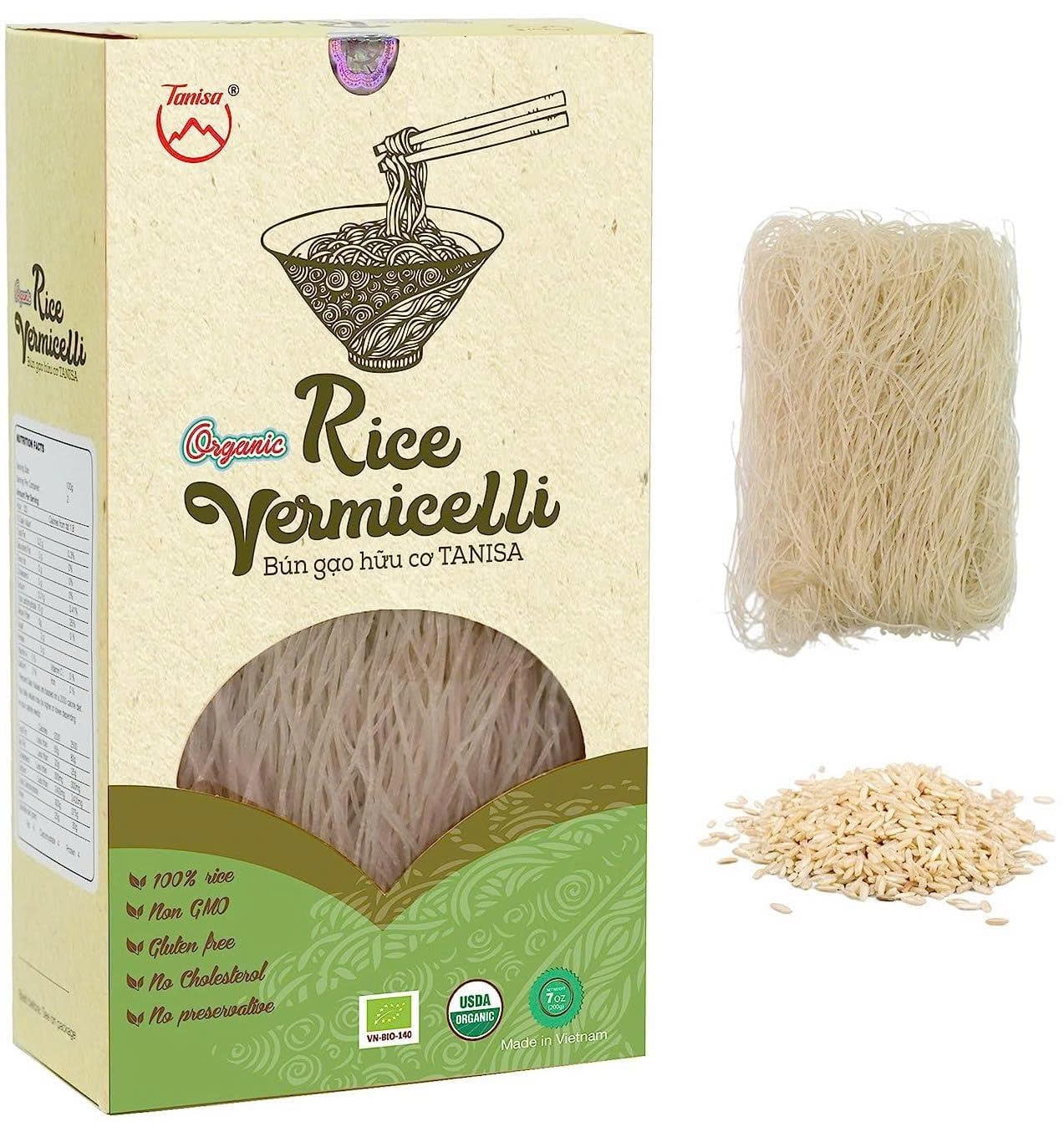
Bun Vietnamese Noodles
Challenges in Scaling Vietnamese Noodle Products
Maintaining authenticity
As Vietnamese food products scale internationally:
- texture,
- cooking experience,
- and product identity
must remain authentically Vietnamese.
If products become overly adapted:
👉 authenticity may be lost.
Market-specific adaptation
Different markets require different:
- packaging formats,
- regulatory compliance,
- retail positioning,
- and product specifications.
Manufacturers therefore need flexibility to support multiple international market requirements.
Supply chain consistency
For importers and distributors:
- lead time stability,
- consistent quality,
- and logistics reliability
are just as important as product taste.
This is why buyers increasingly prefer:
👉 export-oriented Vietnamese manufacturers with international experience.
Why Vietnam Is a Strong Supply Base
Vietnam has major advantages in noodle manufacturing due to:
- strong rice agriculture,
- long production experience,
- competitive production costs,
- and growing export infrastructure.
Many Vietnamese factories now operate with:
- international certifications,
- automated production systems,
- and export-focused quality control processes.
This strengthens Vietnam’s position as:
👉 a leading supplier of authentic rice noodle products for global markets.
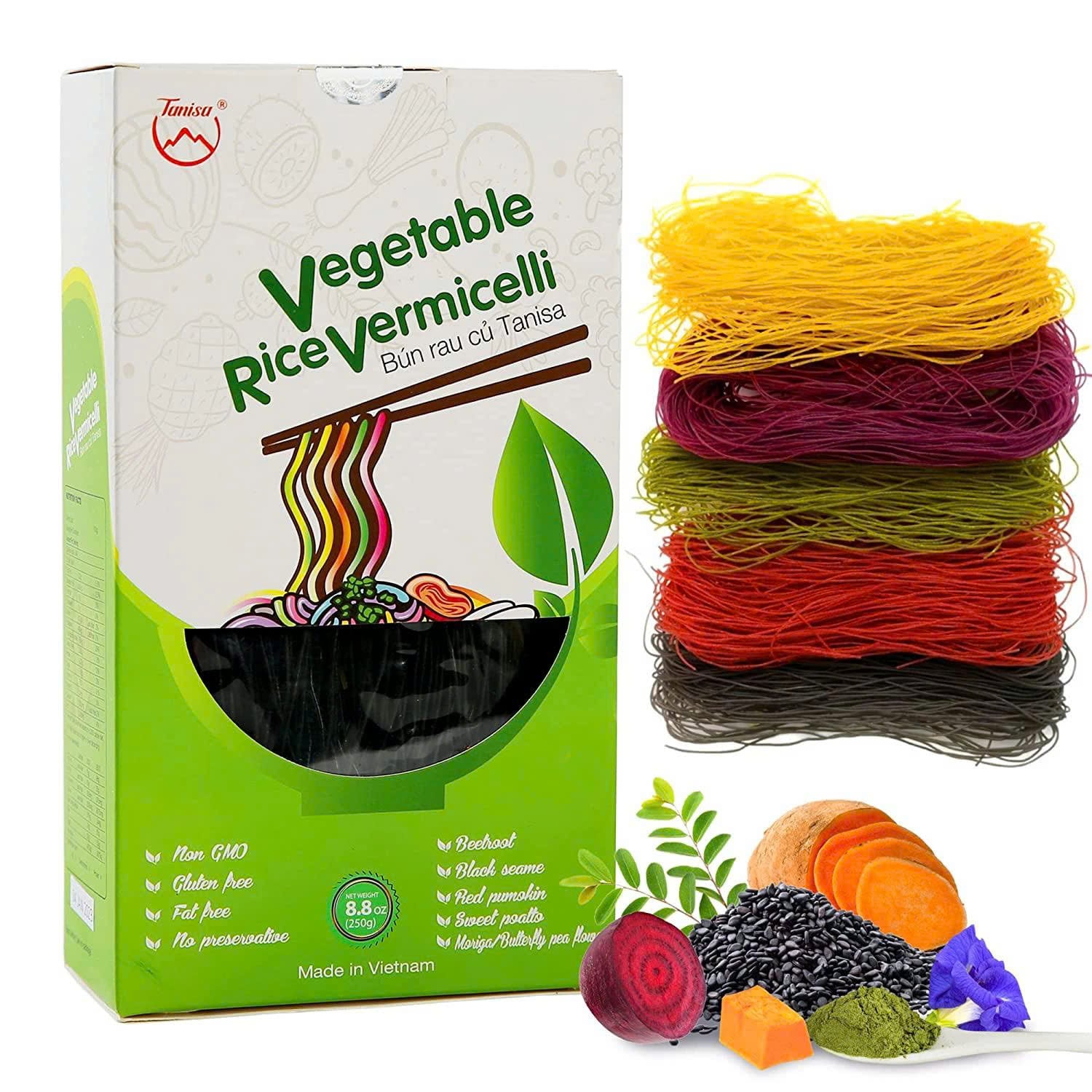
Vietnam has major advantages in noodle manufacturing
How Tanisa Supports Global Buyers
Tanisa Foods JSC is a Vietnamese manufacturer specializing in:
- rice noodles,
- rice vermicelli,
- rice paper,
- and rice-based food products for international markets.
Today, Tanisa exports to more than 30 countries and regions, supplying products to:
- food distributors,
- supermarket chains,
- restaurant groups,
- and global retail partners.
With an export-focused manufacturing approach, Tanisa invests in:
- modern production systems,
- international quality management,
- and stable supply capability for global markets.
Tanisa products align with modern consumer trends through features such as:
- Gluten Free,
- Non-GMO,
- No Preservatives,
- and Plant-Based positioning.
In addition to export manufacturing, Tanisa also supports:
👉 OEM and private label production tailored to specific market requirements, helping partners develop branded Vietnamese food products for different regions worldwide.
Conclusion
Today, bun Vietnamese noodles are no longer simply a traditional food ingredient.
They have become:
- part of the global growth of Vietnamese cuisine,
- a scalable Asian food category,
- and a strong commercial opportunity for importers and food brands.
For international buyers, the value of bun Vietnamese noodles lies not only in the product itself, but also in:
👉 authenticity, cultural positioning, and long-term market potential.
Learn More
Contact Tanisa
If you are looking for:
- Vietnamese noodle supplier,
- Vietnam export manufacturer,
👉 Tanisa can support your sourcing and product development needs.
TANISA FOODS JSC, a strong brand in the market for the production and distribution of specialty products (rice paper, rice noodles...) and spices (seasoning) which exported to some countries such as USA, France, South Korea, Japan, Russia, Brunei...
TANISA FOODS JSC
Factory add 1: 188 Lac Long Quan Street, Quarter 3, Tan Ninh Ward, Tay Ninh Province, Vietnam
Factory add 2: Phu Hoa Dong, Cu Chi, Ho Chi Minh City, Viet Nam
Office in HCMC: 18th Floor, Vincom Building, 72 Le Thanh Ton Street, District 1, Ho Chi Minh City, Vietnam
Warehouse in HCMC: 2/3 Binh Gia, Tan Binh District, Ho Chi Minh City, Vietnam
Hotline: +84 938 118 699 (WhatsApp/WeChat), +84 938 198 299 (Zalo)




Email: marketing@tanisagroup.com
Website: www.tanisagroup.com
Facebook: Tanisa Foods JSC
Instagram: @tanisa_foods
Youtube: Tanisa Kitchen

Xem thêm