



How to Roll Rice Paper Without Tearing
Rice paper keeps ripping? Learn the real reasons it tears, the right soak time and water temp, and the rolling technique that keeps every wrap intact.
If you're following the basic steps correctly and the rice paper still tears the moment you fold it, the problem usually isn't your rolling technique. It's the soaking step. Soaking too long, using water that's too hot, or packing in too much filling are the three most common reasons a sheet loses its stretch and rips as soon as you touch it. The fix isn't complicated: cut the soak down to just a few seconds, let the sheet finish softening on the board, and roll with even, steady pressure instead of pulling the wrapper tight.
The sections below break down each cause individually, with a specific fix for each one, so you can pinpoint exactly which mistake you're making instead of rereading the whole process from scratch.
Why Does Rice Paper Tear When You Roll It?
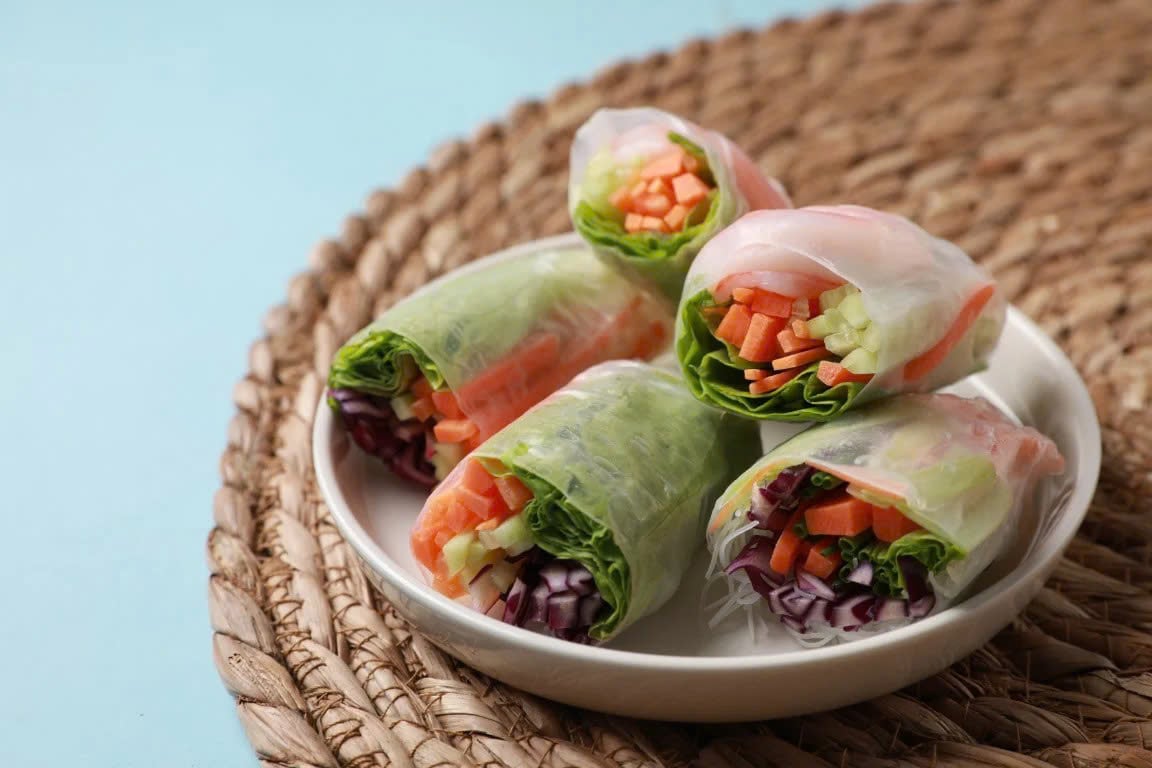
Most people who are new to rolling fresh spring rolls run into one of four mistakes. Identifying which one is yours is far faster than overhauling your whole technique.
Soaking it too long
Rice paper only needs to touch water for a few seconds. Many people keep it submerged until the sheet feels fully soft, but by that point it has already absorbed too much water, turning limp and sticking to itself. Fold it in that state and the wrapper has no stretch left to handle the pull, so it tears immediately. The sheet keeps softening for another 15 to 20 seconds after you lift it out of the water, so the soak itself only needs to be brief.
Overfilling or using sharp-edged ingredients
Too much filling forces the wrapper to stretch beyond its limit as you roll, and whichever spot is thinnest tears first. Raw herbs with stiff stems, dried rice noodles that haven't been softened properly, or small bits of shrimp shell can also puncture the sheet from the inside while you roll. Trimming the tough stems off herbs and checking your filling before it goes on the wrapper cuts this problem down significantly.
Pulling the wrapper too tight while rolling
Rolling a fresh spring roll isn't the same as rolling one for frying. The wrapper doesn't need to be cinched tight to hold its shape. When you pull the edge taut to make the filling sit neater, the already-damp sheet stretches past its limit and tears right at the point under the most tension, usually at the two ends of the roll. Hand pressure should be light and even, letting the rice paper close around the filling on its own thanks to the natural stickiness it has after soaking, rather than forcing it to hug the filling tightly.
The Soaking Technique That Actually Prevents Tearing
Getting the soak right matters more to whether the rice paper tears than the rolling technique itself.
Water temperature
Water that's too hot softens rice paper so fast it becomes hard to control, and the sheet can start breaking down while it's still in the water. Room-temperature or lightly warm water, the kind that feels comfortable and not hot to the touch, softens the sheet gradually, giving you enough time to lift it out and set it down before it over-softens.
How long to actually soak it
Dip it for about 5 to 10 seconds, just enough to wet both sides evenly. Don't wait until it feels completely soft in your hands. The rest of the softening happens on its own over the next 15 to 20 seconds once the sheet is on the board, while you're placing the filling. If you wait for it to go fully soft in the water, it will already be over-softened by the time you start rolling.
Judging doneness by feel, not just by the clock
The exact soaking time still depends on the thickness of the sheet and the actual water temperature, so there's no single number that works in every case. A better indicator is how it feels in your hand: the sheet should be slightly pliable but the center should still feel a little firm right as you take it out of the water, not completely limp.
Step-by-Step: Rolling a Rice Paper Wrap That Holds Together
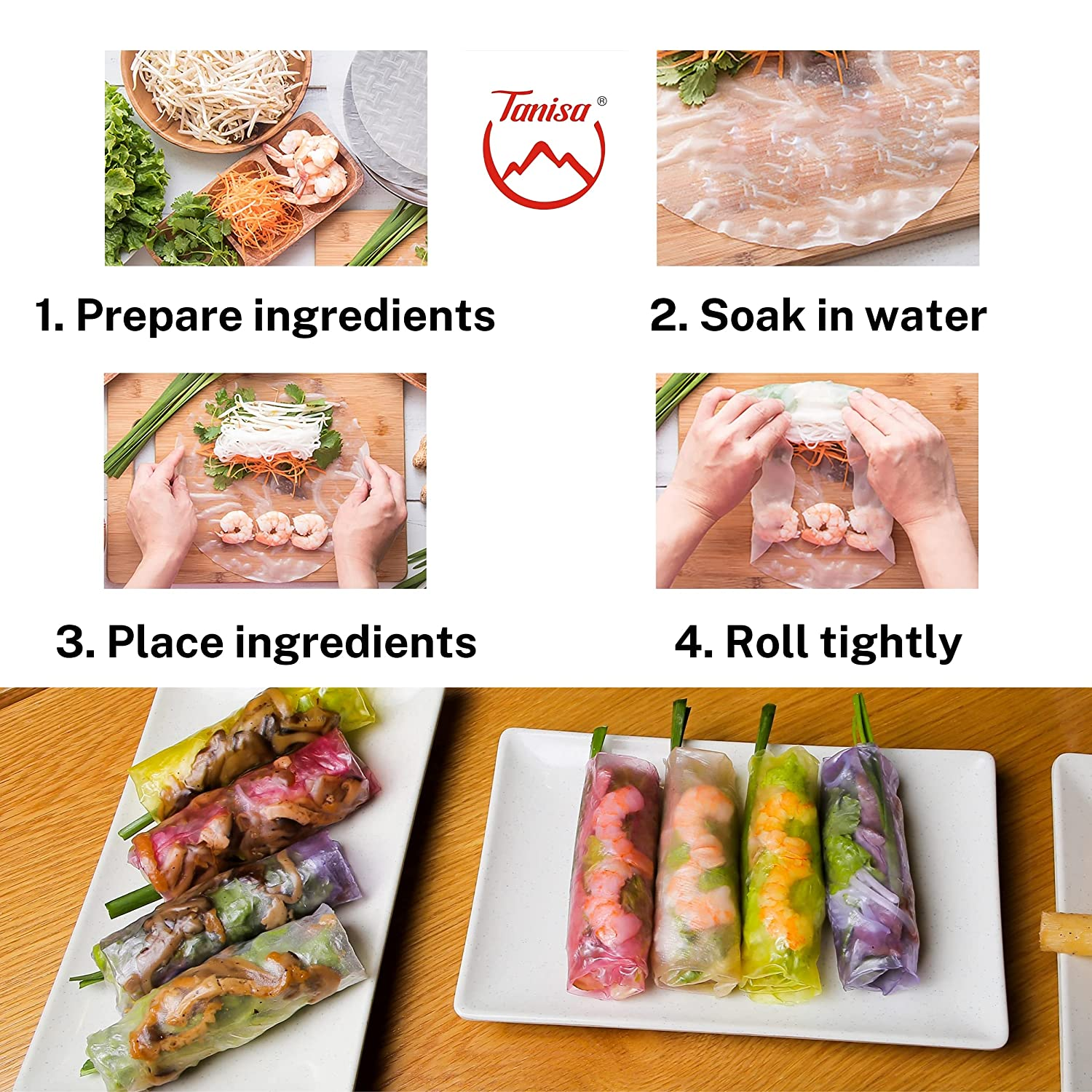
Once the soaking step is under control, rolling itself comes down to sequence and hand pressure.
Prepare everything before touching the rice paper
All the filling, whether it's vegetables, noodles, shrimp, or meat, needs to be prepped, cut, cooled, and ready before you dip the first sheet. A softened sheet keeps changing texture over time, so there's no room to prep filling midway through rolling.
Placing the filling correctly
Place the filling slightly below center, leaving space on both sides and along the top edge. Spread it into a neat, compact line rather than piling it up, so the wrapper has enough slack to fold over without being stretched.
Folding and rolling with even pressure
Fold the bottom edge over the filling first, then fold in the two sides. As you roll, apply even pressure from start to finish. Don't squeeze harder at the end to tighten the roll, because that's exactly when the wrapper is most likely to tear.
What to Do the Moment It Starts to Tear

Even when every step is done correctly, the sheet still tears sometimes, especially if you're still learning. This part rarely comes up in standard guides, but it's useful the moment it actually happens to you.
Small tear vs. a sheet that is falling apart
If the tear is small and localized, you can usually keep rolling. The wrapper's natural stickiness is normally enough to hold its shape, and the filling inside isn't affected much. If the tear is spreading, or the sheet starts ripping in more spots the moment you touch it, stop, discard that sheet, and dip a new one. Pushing through just means the roll falls apart partway.
When a second layer is worth the extra step
If you're still learning, or if the rolls need to hold up while being carried or packed to go, stacking two sheets of rice paper makes the roll noticeably sturdier. The second layer absorbs some of the tension the first layer would otherwise take on its own, lowering the odds of tearing in transit or when the roll is cut in half.
Mistakes That Make Rolling Harder Than It Needs to Be
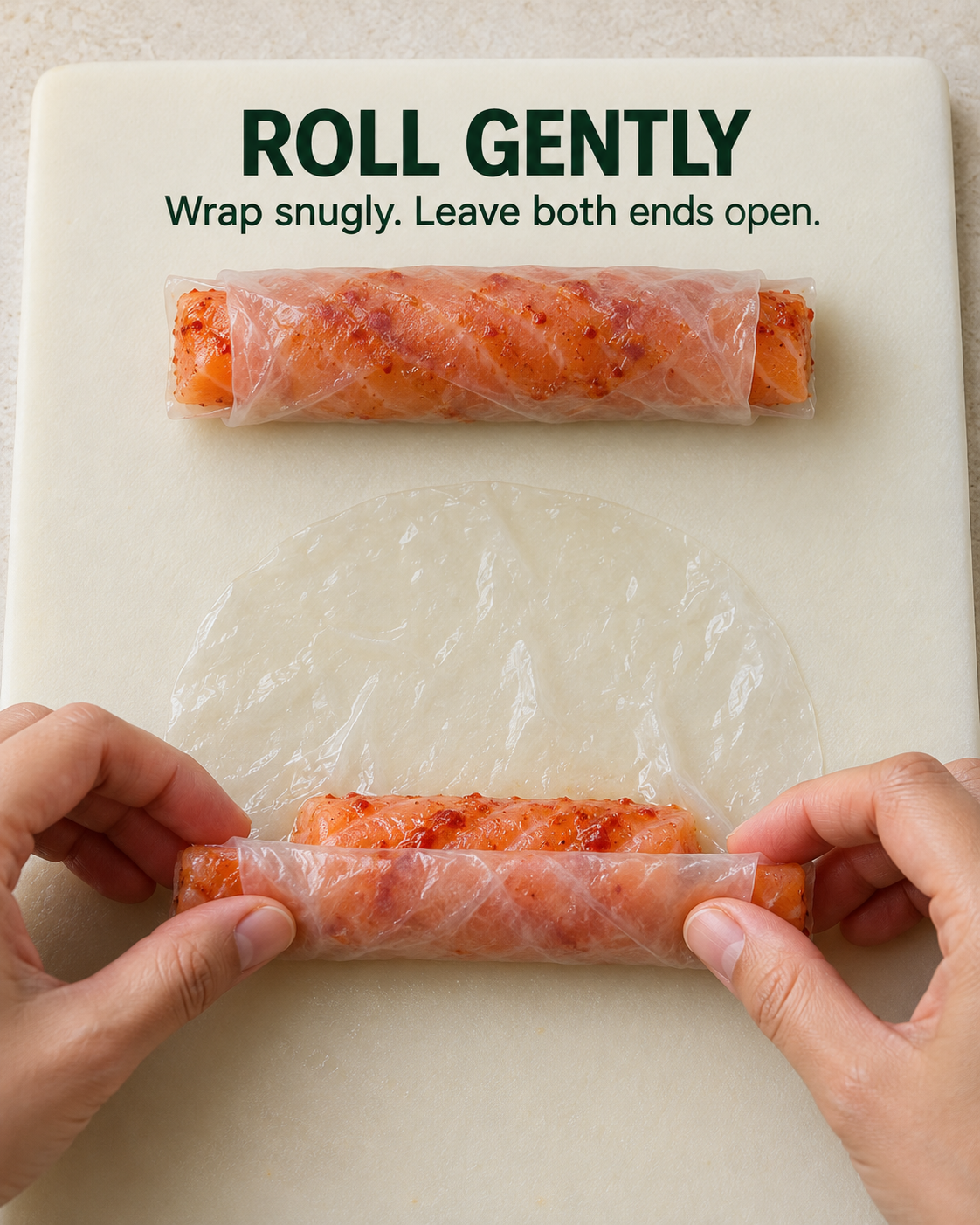
- Dipping several sheets at once to save time. They stick together and tear when you try to separate them.
- Letting a dipped sheet sit too long before rolling. It dries unevenly and cracks at the edges.
- Handling the sheet with constantly wet hands. The extra water softens some spots on the sheet faster than others.
- Rolling on a wet board or one with standing water. The sheet sticks fast to the surface and tears when you try to lift it.
Does the Rice Paper Brand Itself Make a Difference?
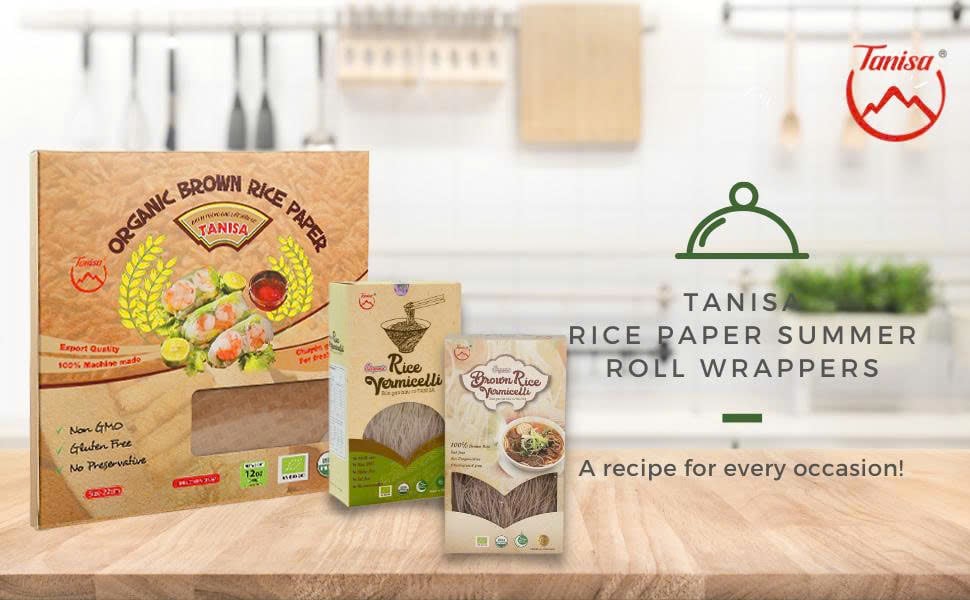
Once the soak, the amount of filling, and your hand pressure are all under control, if the sheet still keeps tearing the same way, the remaining cause is usually the quality of the rice paper itself. A good sheet softens evenly across its whole surface after soaking, with no thick or thin patches, and stays chewy enough to withstand folding without tearing right at the edge. These are traits you can check directly before buying: soak one sheet and fold it in half to see whether it tears right away.
FAQ
How long should you soak rice paper so it doesn't tear?
About 5 to 10 seconds is enough. The sheet keeps softening for another 15 to 20 seconds after you take it out of the water, so there's no need to soak it until it feels fully soft in your hand.
Can you fix rice paper after it rips?
If the tear is small, you can usually keep rolling, since the wrapper's natural stickiness is normally enough to hold the shape. If it's larger or spreading, switch to a new sheet, or patch the torn spot with a small piece of damp rice paper before rolling.
Why does rice paper stick to itself or the board?
This usually happens from over-soaking or from letting several sheets overlap while they wait to be rolled. Wet rice paper is naturally quite sticky, so roll it right after soaking and avoid letting sheets touch each other directly.
Is hot water or cold water better for soaking rice paper?
Room-temperature or lightly warm water gives more consistent results than hot water. Hot water softens the sheet too fast, making it hard to pull it out at the right moment.
Do you need two layers of rice paper every time?
Not necessarily. One layer is enough for most cases if the soaking and rolling are done correctly. Two layers are worth it mainly when you're still learning, packing in a lot of filling, or need the roll to hold its shape for a while before eating.
Tanisa, a Vietnam-based rice paper manufacturer that exports to more than 30 countries and holds FSSC 22000, ISO 22000, FDA, and KFDA certifications, describes its standard rice paper as chewy, thin but strong, staying flexible after soaking and resisting cracks and tears, the exact traits that make rolling easier.
Tanisa Foods JSC is a leading Vietnamese manufacturer of rice paper, rice noodles, and rice vermicelli, exporting to over 45 countries worldwide. We comply with international food safety standards, including FSSC 22000, ISO 22000:2018, FDA, KFDA, and Halal.
TANISA FOODS JSC
Factory add 1: 188 Lac Long Quan Street, Quarter 3, Tan Ninh Ward, Tay Ninh Province, Vietnam
Factory add 2: Phu Hoa Dong, Cu Chi, Ho Chi Minh City, Viet Nam
Office in HCMC: 18th Floor, Vincom Building, 72 Le Thanh Ton Street, District 1, Ho Chi Minh City, Vietnam
Warehouse in HCMC: 2/3 Binh Gia, Tan Binh District, Ho Chi Minh City, Vietnam
Hotline: +84 938 118 699 (WhatsApp/WeChat), +84 938 198 299 (Zalo)




Email: marketing@tanisagroup.com
Website: www.tanisagroup.com
Facebook: Tanisa Foods JSC
Instagram: @tanisa_foods
Youtube: Tanisa Kitchen

Read more