



Odorless Rice Paper: Why It Has No Smell and How to Use It
See why some rice paper has no smell, how odorless rice paper differs from regular sheets, its nutrition facts, and how to soak, roll, and store it.
Soak a sheet of rice paper in water, and sometimes nothing happens: no smell, just a soft wrapper ready for rolling. Other times, that same bowl of warm water carries a faint rice smell, strong enough to make a first-time cook hesitate before rolling anything at all. The difference isn't random, and it isn't because one brand is "fresher" than another. It comes down to a specific type of rice paper made to avoid that smell: odorless rice paper.
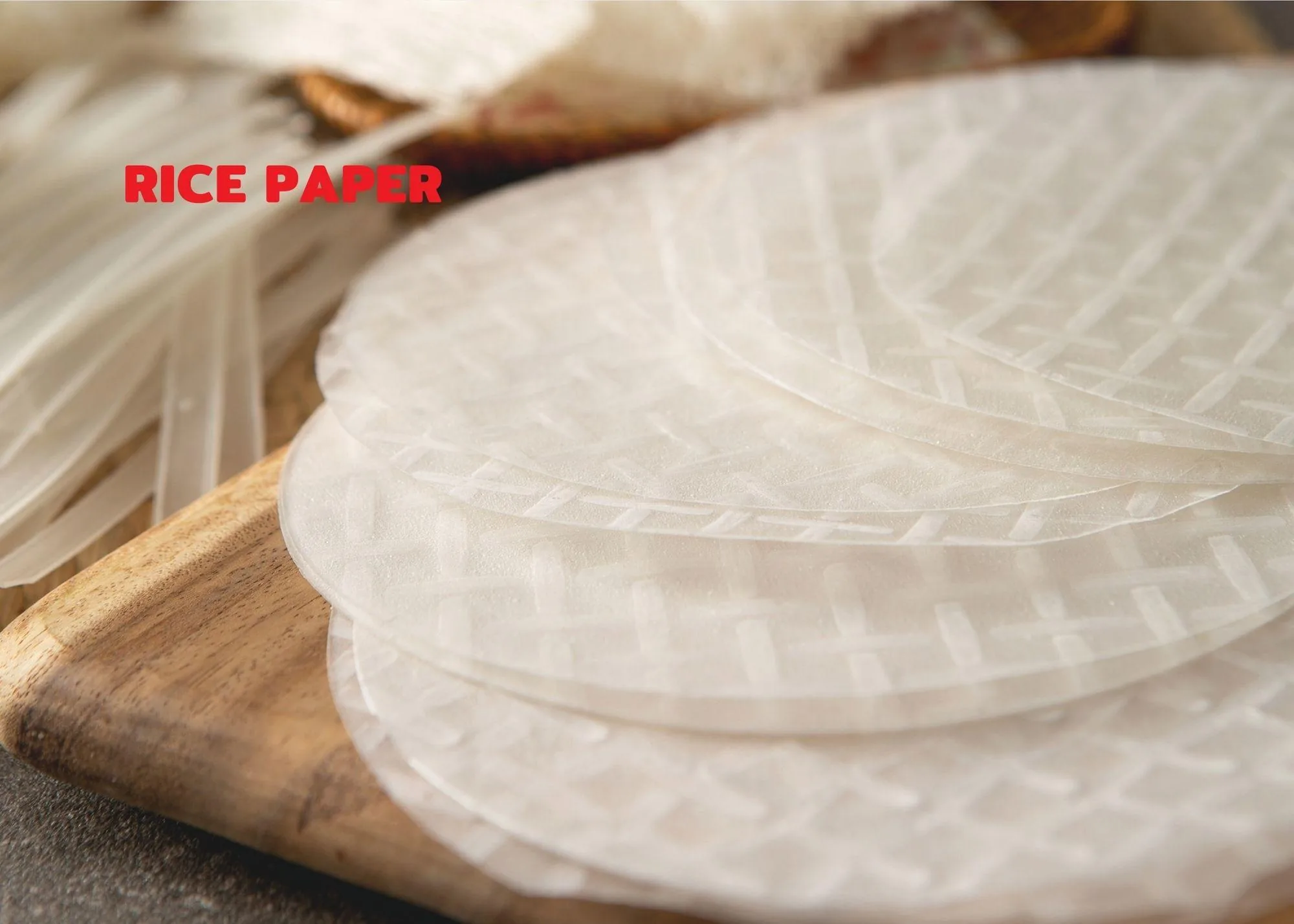
What "Odorless" Actually Means Here
Odorless rice paper isn't a separate product line. It's still standard rice paper, made from rice flour, tapioca starch, and salt, produced and processed in a way that keeps the natural rice smell as low as possible. No flavoring is added to mask anything. The ingredient list looks identical to regular rice paper; what changes is how much smell is left in the finished sheet.
This matters more than it sounds. A rice paper with a strong rice smell can clash with delicate fillings: raw fish, fresh herbs, or Western-style ingredients like cream cheese and deli meat. Odorless rice paper is made specifically for those combinations, which is also why it became a standard requirement among buyers in markets like South Korea, where rice paper is eaten daily with grilled meat and fresh vegetables (wollamssam), and any competing smell gets noticed right away.
Why Some Rice Paper Has a Smell and Some Doesn't
There isn't one dramatic cause. A couple of ordinary factors add up:
- The rice itself. Rice smell varies by batch, the same way one bag of fragrant rice can smell stronger than another.
- Storage after packing. A sealed pack sitting in a hot, humid warehouse for months tends to pick up a stronger smell than one stored cool and dry, even if it came from the same batch.
Odorless vs. Regular Rice Paper: What Changes, What Doesn't
| Regular rice paper | Odorless rice paper | |
| Ingredients | Rice flour, tapioca starch, salt | Same |
| Smell | Noticeable rice smell, varies by batch | Minimal to none |
| Taste once rolled | Neutral | Neutral |
| Texture after soaking | Soft, pliable | Same |
| Best fit | Traditional Vietnamese fillings (herbs, shrimp, pork) | Delicate or Western-style fillings, smell-sensitive markets |
Texture, pliability, and how it cooks are all the same. The only real variable is smell, which means choosing "odorless" is about the filling and the eater, not about getting a "better" sheet.
Is Odorless Rice Paper Still Light and Gluten-Free?
Yes, as long as the ingredient list stays limited to rice flour, tapioca starch, and salt. Figures commonly cited from USDA nutrition data put a single sheet at roughly 16 calories for a small size, rising to around 35 to 60 calories for a large 22 cm sheet, with 7 to 12 grams of carbohydrate per sheet and almost no fat or protein. It's essentially a starch wrapper: no cholesterol, very little fiber, and no meaningful protein of its own, which is exactly why the filling carries most of the nutrition in a roll.
Because it's made from rice and tapioca rather than wheat, it's naturally gluten-free, as long as no wheat flour has been added for extra chew or stretch, something a small number of brands do, so it's worth checking the label if gluten is a concern.
How to Soak Rice Paper Without Tearing It
The most common mistake is treating the soak as a finish line rather than a starting point. A sheet left in warm water until it feels fully soft is usually already too soft to handle by the time it reaches the board.
- Dip one sheet in warm (not hot) water for about 5 to 8 seconds.
- Lift it out while it's still slightly firm and lay it flat on a clean, dry surface.
- Add the filling right away. The sheet will keep softening on its own for another 20 to 30 seconds.
- Fold the sides in first, then roll from the bottom, keeping it snug but not stretched.
A sheet that tears has almost always spent too long in the water, not too little.
Beyond Spring Rolls: Newer Ways People Are Using It
Fresh rolls and fried spring rolls are still the main use, but rice paper has recently taken on other roles, and having no smell is part of why it works in dishes that have nothing to do with Vietnamese cuisine.
One example that has spread widely through home cooking content: rice paper dumplings. Instead of water, the sheet is brushed on both sides with beaten egg, which softens it just enough to work with while setting into a crisp, golden shell once it hits the pan. Fillings range from a soft-cooked egg to shrimp, chicken, or vegetables; the sheet is folded into a square parcel and pan-fried a few minutes per side over medium heat until shatter-crisp. It's a shortcut to a crisp dumpling wrapper without making dough, and it only works cleanly if the rice paper itself isn't fighting the egg with its own smell.
That same no-smell quality is also why some cooks use it as a low-carb stand-in for tortillas or flatbread, wrapping sandwich-style fillings that would otherwise clash with a stronger-smelling wrapper.
Picking the Right Size and Pack
| Size | Shape options | Good for |
| 16 to 18 cm | Round, square | Small bites, single-serve rolls, snacks |
| 22 cm | Round, square, triangle | Everyday fresh rolls, most home recipes |
| 28 to 32 cm | Round, square | Larger rolls with more filling, restaurant portions |
Pack size follows the same logic: smaller packs (300 g to 500 g) suit home kitchens, while 1 kg and bulk 5 kg packs are built for restaurants, food stalls, or anyone rolling rice paper often enough that running out midweek is the real problem.
Storing It So the Smell (or Lack of It) Stays That Way
The same conditions that create a smell in the first place can bring it back after opening: heat, humidity, and air exposure. A few habits keep a pack performing as intended:
- Keep the pack sealed and in a cool, dry cupboard, away from the stove or a sunny window.
- Press out excess air before resealing; trapped moisture does more damage than most people expect.
- Skip the fridge unless the label says otherwise. Condensation from temperature swings can do more harm than a dry cupboard at room temperature.
- Check for mold, an off smell, or unusual brittleness before use, especially if the pack has been open for a while.
FAQs
Does odorless rice paper taste different from regular rice paper? No. The taste is neutral either way; the difference is purely in smell, not flavor.
Can odorless rice paper be used for fried or pan-fried recipes, or only for fresh rolls? Yes. It holds up the same way in frying or pan-searing as regular rice paper, including egg-dipped preparations like rice paper dumplings.
My pack is labeled odorless, so why did it start smelling after I opened it? Usually it's storage, not mislabeling. Moisture, heat, or a loosely resealed bag can bring a smell back even in a sheet that started out odorless.
How long does rice paper last once the pack is open? It depends on the shelf life printed by each brand, but as a general rule, a tightly resealed pack kept in a dry cupboard lasts far longer than one left open to air. Discard any sheet showing mold, insect damage, or a smell that wasn't there before.
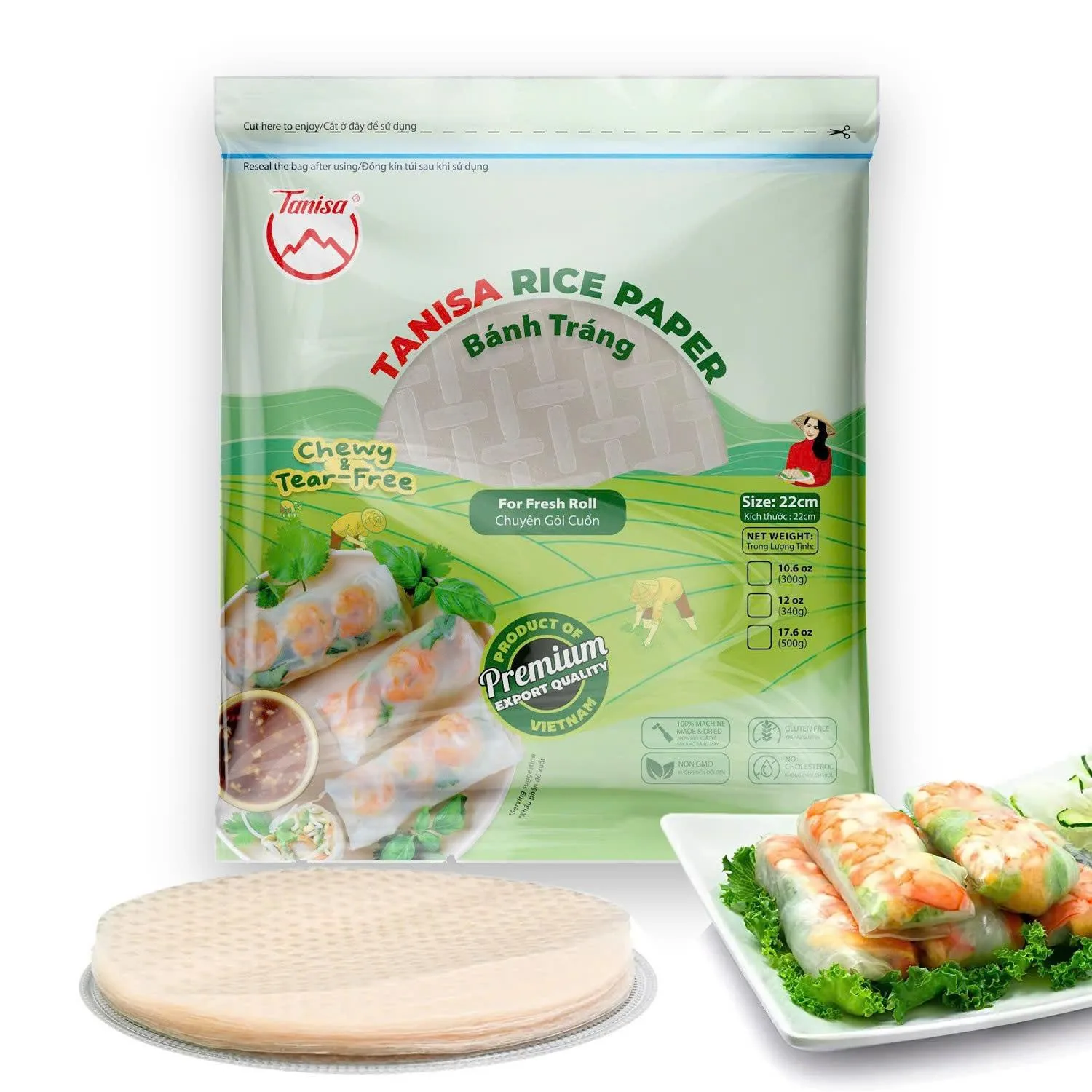
Tanisa rice paper is built around a Chewy & Tear-free standard: thin yet strong sheets that reduce waste and stretch your value further, easy to roll, and able to stay flexible after soaking while resisting cracking and tearing, even for recipes like the one above that involve an egg dip and a tight roll. The Tanisa factory holds FSSC 22000, ISO 22000, Halal, FDA, and KFDA certifications, and the product is now exported to more than 45 countries, including demanding markets such as the United States, Japan, and South Korea.
Tanisa Foods JSC is a leading Vietnamese manufacturer of rice paper, rice noodles, and rice vermicelli, exporting to over 45 countries worldwide. We comply with international food safety standards, including FSSC 22000, ISO 22000:2018, FDA, KFDA, and Halal.
TANISA FOODS JSC
Factory add 1: 188 Lac Long Quan Street, Quarter 3, Tan Ninh Ward, Tay Ninh Province, Vietnam
Factory add 2: Phu Hoa Dong, Cu Chi, Ho Chi Minh City, Viet Nam
Office in HCMC: 18th Floor, Vincom Building, 72 Le Thanh Ton Street, District 1, Ho Chi Minh City, Vietnam
Warehouse in HCMC: 2/3 Binh Gia, Tan Binh District, Ho Chi Minh City, Vietnam
Hotline: +84 938 118 699 (WhatsApp/WeChat), +84 938 198 299 (Zalo)




Email: marketing@tanisagroup.com
Website: www.tanisagroup.com
Facebook: Tanisa Foods JSC
Instagram: @tanisa_foods
Youtube: Tanisa Kitchen

Read more