



How to Soften Rice Paper
Learn how to soften rice paper the right way: how long to soak it, which water temperature works best, and how to stop it from tearing or turning gummy.
How to Soften Rice Paper Without Tearing It
Dip the rice paper, add the filling, and a corner tears before you can even fold it closed. Almost anyone who has made spring rolls has run into this. It's rarely a matter of weak hands or lack of experience. The real cause is usually soaking the sheet too long or using water that's too hot.
The right approach is to dip one sheet briefly, lift it out while it still feels a little firm, lay it on a damp surface, and let it finish softening on its own for a few seconds before adding the filling. The longer rice paper sits in water, the faster it turns sticky and tears.
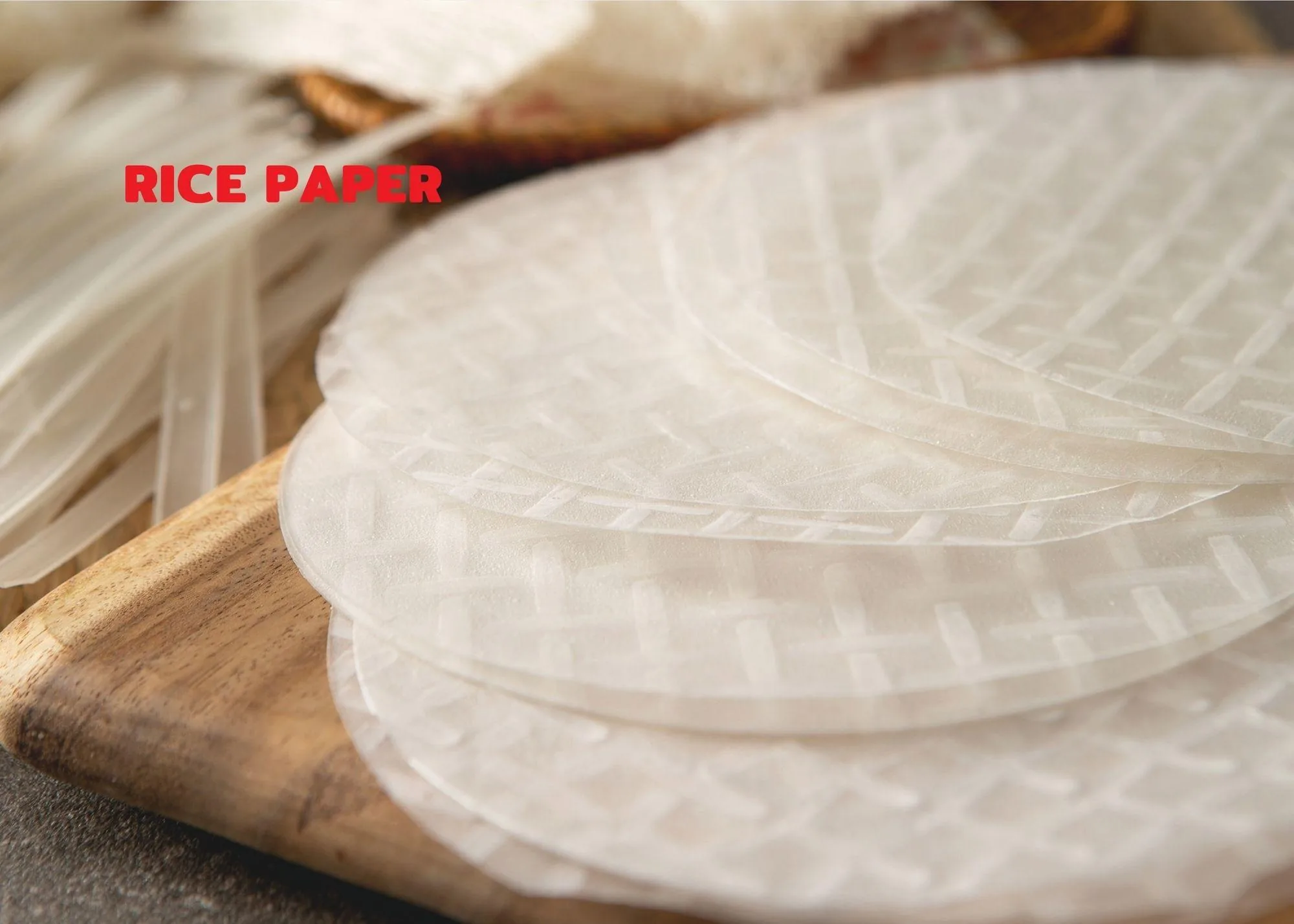
What Does It Mean for Rice Paper to Be "Soft," and Where Most People Go Wrong
Rice paper is a thin sheet made from rice flour, tapioca starch, and salt, then dried for long storage. Once it meets water, the starch absorbs moisture and expands, turning the hard, brittle sheet into a pliable wrapper that can be folded and rolled. That's the point at which rice paper becomes "soft."
The catch is that rice paper keeps absorbing water the moment you lift it out of the bowl. A sheet that feels just soft enough in your hand keeps softening while you arrange vegetables, noodles, or shrimp and meat on top. If you wait until the sheet feels fully soft inside the bowl before removing it, it will already be too soft by the time you roll it, sticking to your hands and tearing as you fold the edges. Knowing what rice paper actually is helps explain why the moment you lift it out matters more than how long you soak it.
How to Soften Rice Paper, Step by Step
Get ready before you dip the first sheet
Prepare the filling first, then dip the paper. Rice paper softens so fast that if the filling isn't ready, the sheet will go past the right point while you're still chopping vegetables or peeling shrimp.
You'll also need a bowl or tray wide enough for the sheet to lie flat without folding at the edges, plus a work surface, plate, or cutting board that's slightly damp, where you'll place the sheet once it's out of the water. A dry surface pulls moisture back out of the rice paper, making it stiffen the wrong way.
Dip, rest, roll: a four-step process
- Dip one sheet of rice paper into the water, holding it by the edge and turning it gently so both sides get wet. Never soak the whole stack at once.
- Lift it out after a few seconds, right as the sheet shifts from stiff to pliable but is still a little firm in the center. Waiting until the sheet feels completely limp in your hand before lifting it out is the most common mistake that leads to tearing later.
- Lay the sheet on a damp surface and give it a few seconds to finish softening on its own. At this point it's pliable enough to fold without turning into a sticky mess in your hands.
- Add the filling in the center, fold in both sides, then roll slowly without stretching the sheet. Set the finished roll seam-side down so it doesn't come apart.
Warm Water, Cool Water, or Room Temperature, Which Is Right?
There's no single answer here, even among experienced cooks. Warm water softens the sheet quickly, which is convenient when you're rolling several portions back to back, but it also makes it easier to oversoften the sheet if you dip it just a bit too long. Cool or room-temperature water softens the sheet a few seconds more slowly, but it's easier to control, especially the first time you're doing this.
If your rice paper keeps tearing, try switching to cool water first. You'll wait a little longer, but you'll have more time to judge whether the sheet is soft enough before it goes past that point.
Why Rice Paper Tears, Sticks, or Turns Gummy
Soaking too long or using water that's too hot Hot water makes the starch in rice paper expand too fast. The outer layer softens before the water has time to reach the center, so the sheet ends up both gummy and weak, tearing the moment you try to fold it.
Overfilling or using fillings with sharp edges Shrimp shells, the end of a stiff herb stem, or a hard piece of filling can pierce the thin sheet when you roll it tightly. Too much filling also puts pressure on the edges, which is where rice paper is thinnest and weakest.
Rolling on a dry work surface Rice paper set down on a dry surface sticks to it the moment it softens, and lifting it back up tends to tear a corner. Keep the surface slightly damp throughout rolling, not just once at the start.
Rolling too tightly Rolling tightly to make a neater-looking roll is a natural instinct, but a softened sheet is thin and has little stretch left. Fold and roll with a light touch, letting the filling shape the roll, rather than pulling the sheet tight around it.
Fixing Rice Paper That Goes Wrong Mid-Roll
- A sheet that comes out gummy and sticky the moment you lift it: set it aside, use a fresh sheet, and cut down the dipping time. A gummy sheet is rarely worth saving, trying to roll it just makes the roll fall apart.
- Two sheets stuck together in a dry stack: don't force them apart. Dip both in water for a few seconds and they'll separate on their own once softened.
- A sheet that isn't soft yet while the filling is already laid out: dip it again for just one or two more seconds, don't start the soak over. Rice paper absorbs water so fast that a second dip never needs to be as long as the first.
Choosing and Storing Rice Paper for Consistent Results Every Time
Not every rice paper softens the same way in water, because the ratio of rice flour to tapioca starch differs depending on what the sheet is made for. Rice paper meant for fresh rolls usually has a higher share of tapioca starch, around 80% tapioca starch to 20% rice flour and salt, which keeps the sheet pliable and easy to fold. Rice paper meant for frying works the other way, with more rice flour so the sheet fries up crisp and doesn't stick. Using the wrong type of sheet for fresh rolls is one reason some people find their rice paper won't soften properly even when the technique is correct.
Once a pack is opened, reseal the unused sheets tightly and keep them somewhere dry, away from a working stove or any damp spot. Rice paper absorbs moisture from the air very quickly, and if left exposed too long, the sheets can warp or turn unevenly brittle before you get to use them.
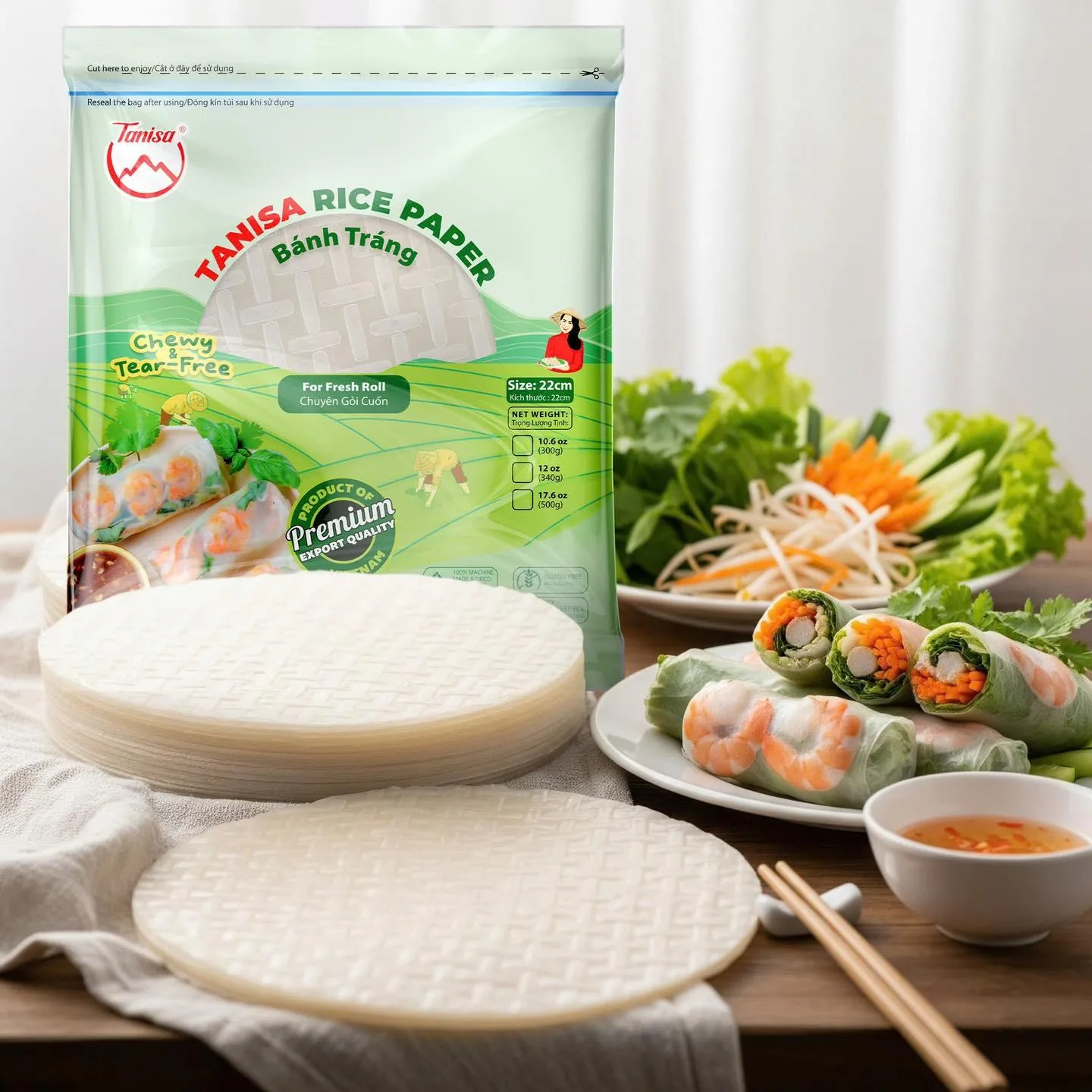
Tanisa rice paper is made thin yet strong, holding its flexibility after soaking and resisting cracks and tears while rolling, and it carries food safety certifications including FSSC 22000, ISO 22000, FDA, and KFDA for export markets. It's worth trying if you're looking for a more consistent rice paper for rolling at home.
Frequently Asked Questions
How long should you soak rice paper? Just a few seconds, enough for the sheet to shift from stiff to pliable while still a little firm in the center. It keeps softening after you lift it out, so soaking longer than that usually oversoftens it.
Do you need warm water to soften rice paper? Not necessarily. Cool or room-temperature water can soften rice paper just as well, it simply takes a few extra seconds compared to warm water. Many people find cool water easier to control because the sheet softens more slowly and is less likely to go too far.
Why does my rice paper keep tearing even when I'm careful? Usually one of four reasons: soaking too long, water that's too hot, a filling with sharp edges or too much filling, or a work surface that's dried out while rolling. Check each of these before assuming it's a problem with your rolling technique.
Can rice paper that's dried out mid-roll be saved? Yes, dip that sheet again for just one or two seconds. There's no need to start the soak over, since rice paper absorbs water very quickly the second time.
Do you need to refrigerate rice paper after opening? Not for dry rice paper. Resealing it and storing it somewhere cool and dry is enough. Refrigeration tends to cause condensation when the pack is brought back to room temperature, which leaves the sheets damp in an uneven way.
Tanisa Foods JSC is a leading Vietnamese manufacturer of rice paper, rice noodles, and rice vermicelli, exporting to over 45 countries worldwide. We comply with international food safety standards, including FSSC 22000, ISO 22000:2018, FDA, KFDA, and Halal.
TANISA FOODS JSC
Factory add 1: 188 Lac Long Quan Street, Quarter 3, Tan Ninh Ward, Tay Ninh Province, Vietnam
Factory add 2: Phu Hoa Dong, Cu Chi, Ho Chi Minh City, Viet Nam
Office in HCMC: 18th Floor, Vincom Building, 72 Le Thanh Ton Street, District 1, Ho Chi Minh City, Vietnam
Warehouse in HCMC: 2/3 Binh Gia, Tan Binh District, Ho Chi Minh City, Vietnam
Hotline: +84 938 118 699 (WhatsApp/WeChat), +84 938 198 299 (Zalo)




Email: marketing@tanisagroup.com
Website: www.tanisagroup.com
Facebook: Tanisa Foods JSC
Instagram: @tanisa_foods
Youtube: Tanisa Kitchen

Read more