


How Is Vietnamese Rice Paper Used In Bulgaria?
In Vietnam, mention "bánh tráng" (rice paper) and most people immediately think of fresh spring rolls. But in Bulgaria, a Eastern European country nearly 9,000 km from Vietnam, the story is entirely different: rice paper is sold as a gluten-free product and used to make... traditional Bulgarian pastries and a range of other appealing dishes.
This isn't speculation — it comes from real observations made during a market survey trip by the Tanisa team in Sofia, Bulgaria's capital, where Vietnamese rice paper is quietly making its way into a consumer niche that few would have expected.
Why Has Vietnamese Rice Paper Shown Up In Bulgaria?
The answer comes down to one keyword: gluten-free. Europe's gluten-free food market is growing fast, estimated at around USD 6.64 billion in 2025 and projected to surpass USD 10 billion by 2031, at a compound annual growth rate of nearly 8% (according to Mordor Intelligence). The main drivers are rising celiac disease diagnoses, the growing shift toward healthy living, and the expansion of food e-commerce.
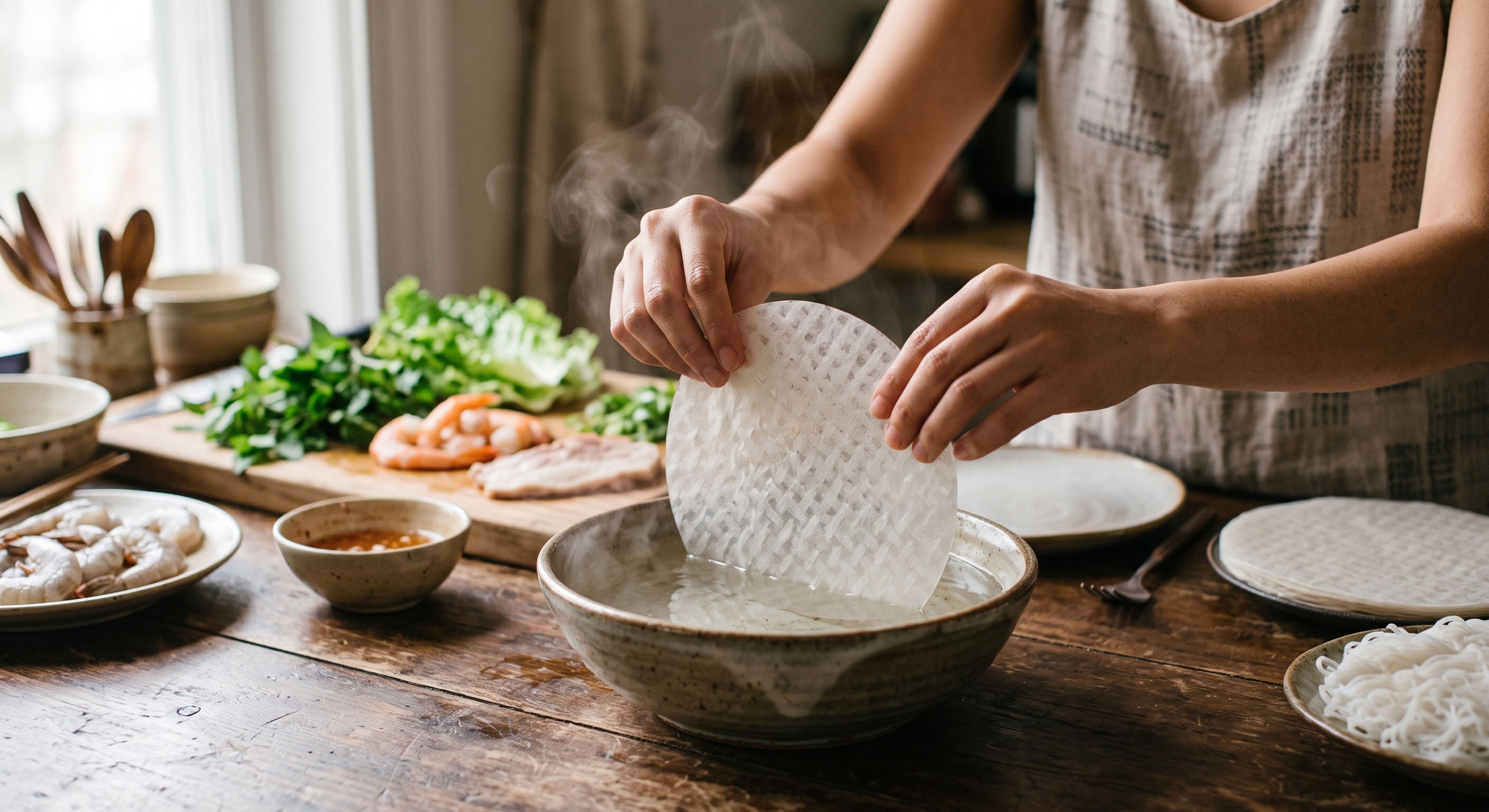
Rice paper — made from nothing more than rice flour, water, and salt — happens to check every box for this category. In Bulgaria, rice paper isn't confined to the "Asian food" aisle the way it is in many other countries. Retailers actively place it in the gluten-free section instead, opening the door to a whole new customer base: people avoiding gluten and health-conscious shoppers, not just fans of Asian cuisine.
What Do Bulgarians Actually Use Vietnamese Rice Paper For?
The most surprising part isn't that they roll it into spring rolls — it's how they've worked rice paper into their own traditional pastry.
Gluten-Free Banitsa — The Most Unexpected Twist
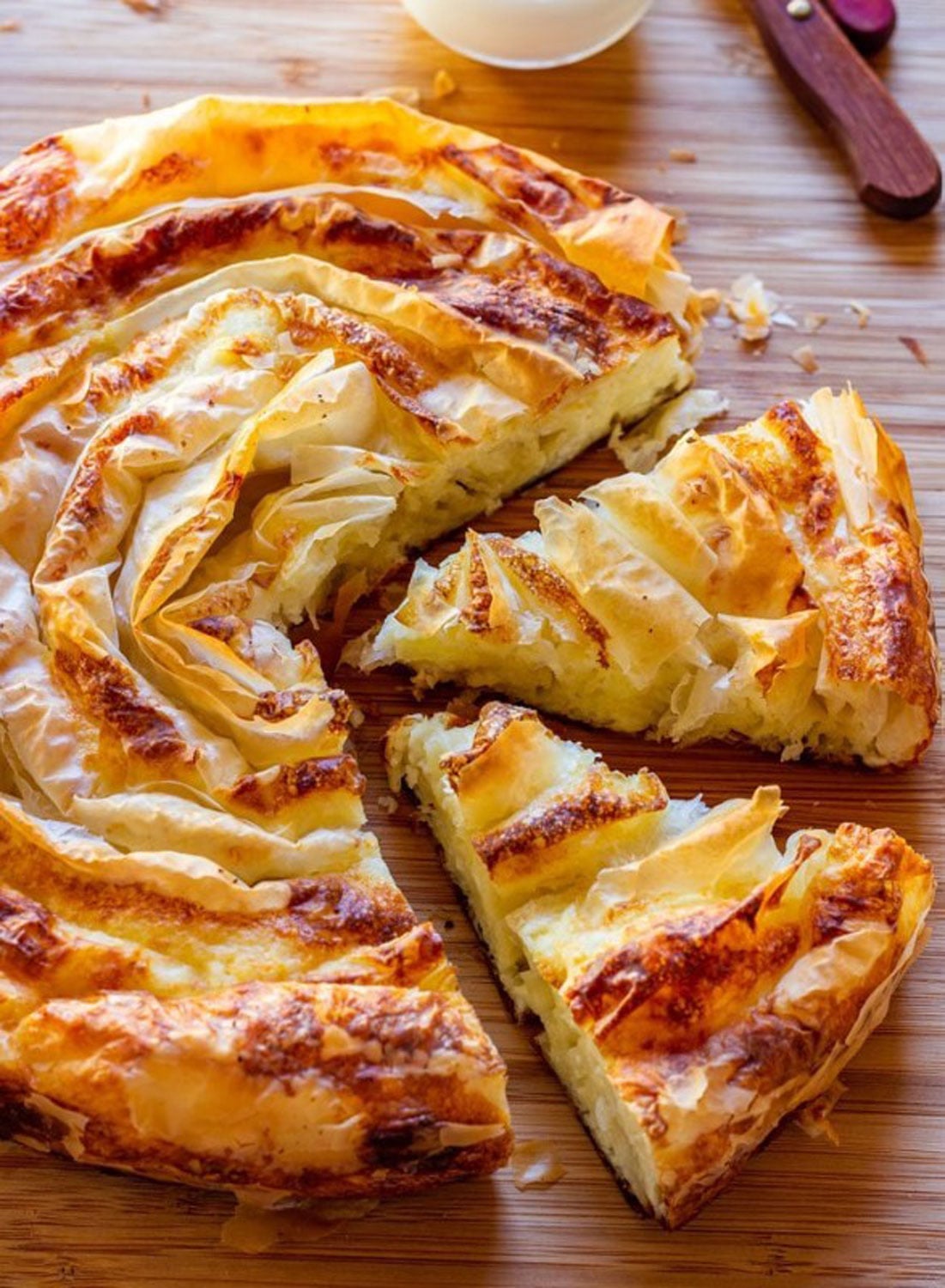
Banitsa is Bulgaria's iconic baked cheese pastry, traditionally made with phyllo dough — a thin, layered dough that contains gluten. Bulgarians have started using rice paper in place of phyllo sheets to create a gluten-free version of banitsa.
METRO's Bulgarian retail chain has even published a recipe for "banichki" (small pastries) made with rice paper, which can be baked in the oven or cooked in an air fryer.
It's a clear example of a Vietnamese ingredient being "translated" by locals into their own culinary language, rather than simply being used according to its original recipe.
Rolls, Baked Dishes, and Desserts
Beyond banitsa, rice paper is also used to make European-style rolls, baked dishes, and even desserts. On packaging for the "Rice Grain" brand sold in Bulgaria, the manufacturer clearly lists three uses: "for banitsa, desserts and rolls."
That's a notable positioning choice — the product is marketed around its localized applications rather than tied to its original cultural origin.
Where Is Rice Paper Sold In Bulgaria?
Based on on-the-ground research in Sofia, Vietnamese rice paper is currently available across several distribution channels:
Modern retail and cash & carry: most notably METRO, which currently lists the 110g Rice Grain product.
Gluten-free/health food specialty stores: where rice paper sits alongside other dietary and wellness products.
Online grocery: available for purchase through platforms such as eBag, Gladen, LifeStore, and Befit.
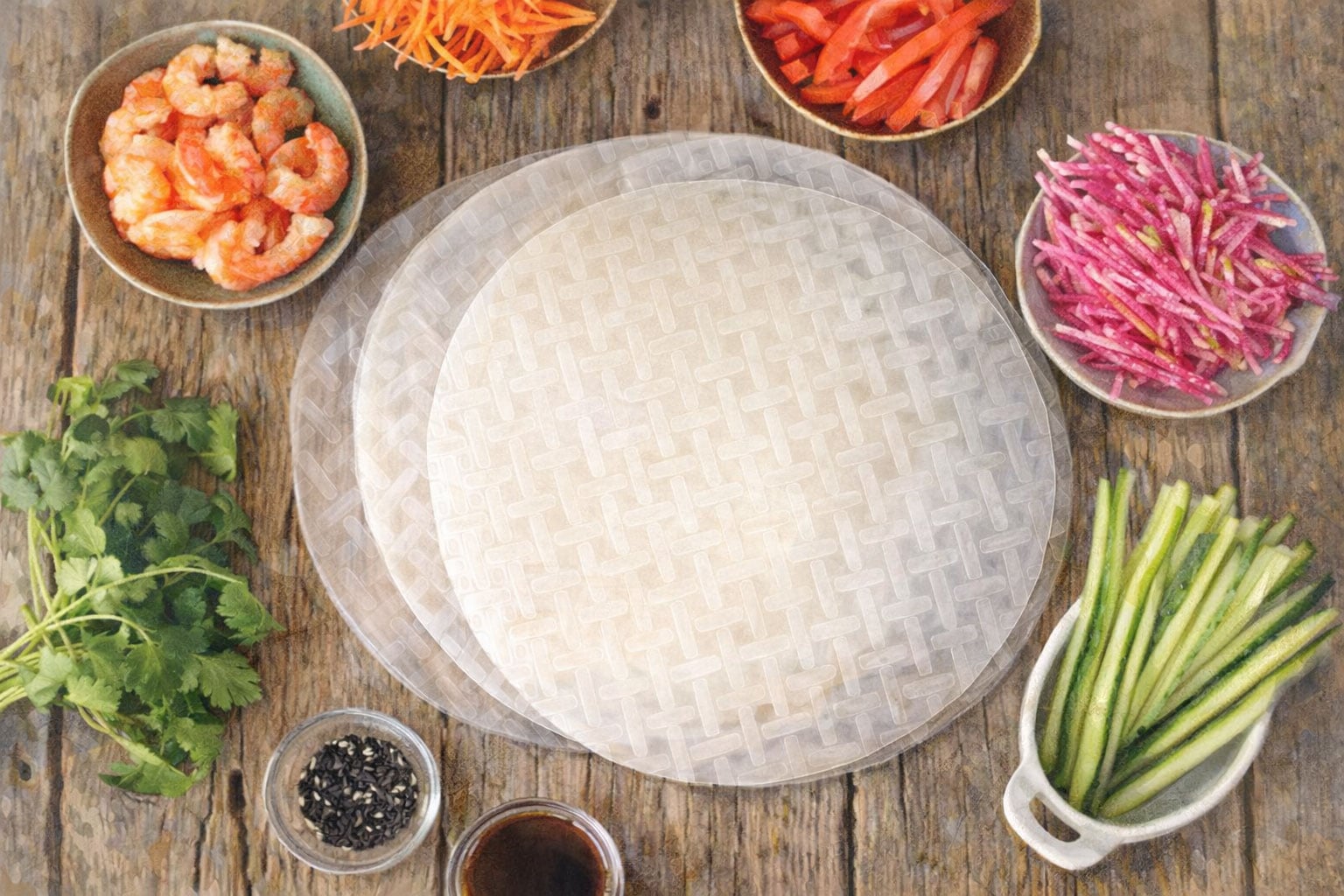
The fact that rice paper spans both mainstream supermarket channels and specialty health-food channels at the same time suggests it's being viewed as a versatile ingredient — no longer a niche product reserved for Bulgaria's Asian community.
The Bigger Trend
Bulgaria's case offers compelling evidence of a larger shift: rice paper is gradually moving beyond the label of "a Vietnamese dish" to become a global ingredient format — much like tortillas or phyllo dough once did.
Unlike a brand promoting how great Vietnamese rice paper is, this is a case of local consumers discovering new uses on their own, naming them on their own terms, and folding them into their own traditional recipes — proof that the demand is genuine, not brand-manufactured.
As a clean-label ingredient (gluten-free, plant-based, preservative-free), rice paper's expansion into local recipes like banitsa points to substantial growth potential in the European market — especially as the gluten-free trend continues to climb in the years ahead.
Tanisa And The Journey Of Bringing Rice Paper To The World
As one of Vietnam's long-standing rice paper manufacturers and exporters, Tanisa Foods has shipped its products to more than 30 countries and holds international certifications including FDA (USA), KFDA (South Korea), FSSC 22000, and Halal. All of its products are gluten-free, non-GMO, and preservative-free — criteria that European markets, Bulgaria included, are increasingly seeking out.
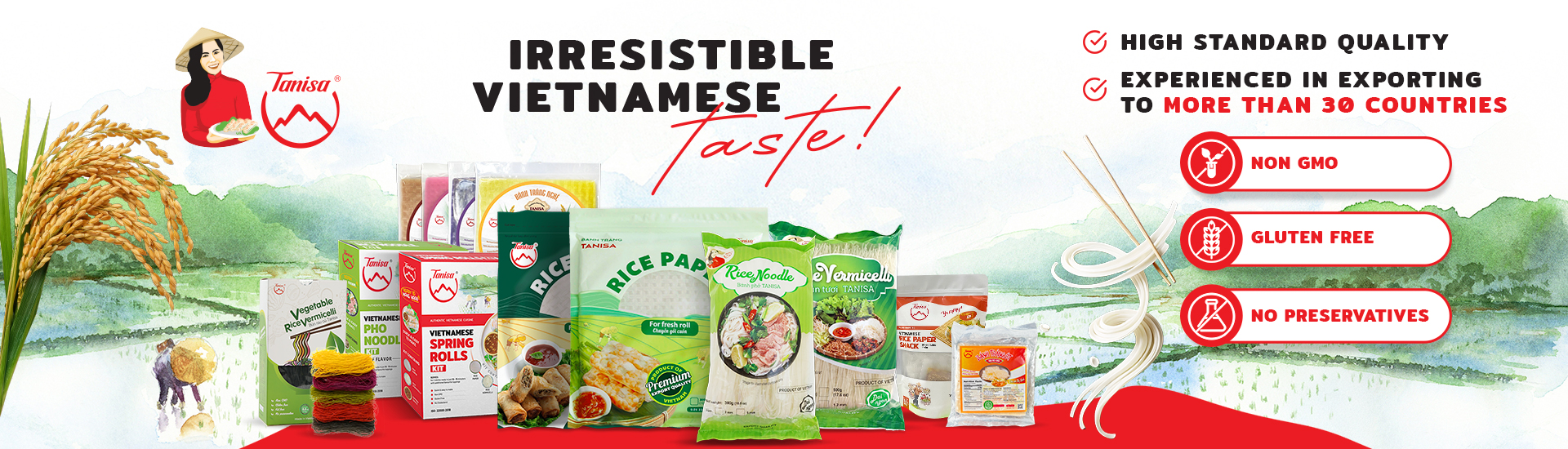
If you're an importer or food distributor looking for a rice paper supplier that meets international export standards, combining clean-label requirements with versatility well beyond traditional spring rolls, Tanisa is well worth exploring further.
TANISA FOODS JSC, a strong brand in the market for the production and distribution of specialty products (rice paper, rice noodles...) and spices (seasoning) which exported to some countries such as USA, France, South Korea, Japan, Russia, Brunei...
TANISA FOODS JSC
Factory add 1: 188 Lac Long Quan Street, Quarter 3, Tan Ninh Ward, Tay Ninh Province, Vietnam
Factory add 2: Phu Hoa Dong, Cu Chi, Ho Chi Minh City, Viet Nam
Office in HCMC: 18th Floor, Vincom Building, 72 Le Thanh Ton Street, District 1, Ho Chi Minh City, Vietnam
Warehouse in HCMC: 2/3 Binh Gia, Tan Binh District, Ho Chi Minh City, Vietnam
Hotline: +84 938 118 699 (WhatsApp/WeChat), +84 938 198 299 (Zalo)




Email: marketing@tanisagroup.com
Website: www.tanisagroup.com
Facebook: Tanisa Foods JSC
Instagram: @tanisa_foods
Youtube: Tanisa Kitchen

Xem thêm