



How to Use Rice Paper the Right Way
Learn how to use rice paper correctly: how long to soak it, how to roll it without tearing, and how to turn it into crispy, grilled
The first time most people hold a dry sheet of rice paper, they hesitate. It feels stiff, thin, slightly see-through, and looks like it would snap with the lightest touch. But dip it in water for just a few seconds, and that same sheet turns soft almost instantly, ready to be rolled, fried, or grilled into completely different dishes. The real difficulty isn't the ingredient itself. It comes down to a few small habits: how long you soak it, how you roll it, and what kind of heat you use to cook it afterward. Get these right, and rice paper stops being something fragile and becomes one of the easiest ingredients to work with in the kitchen.
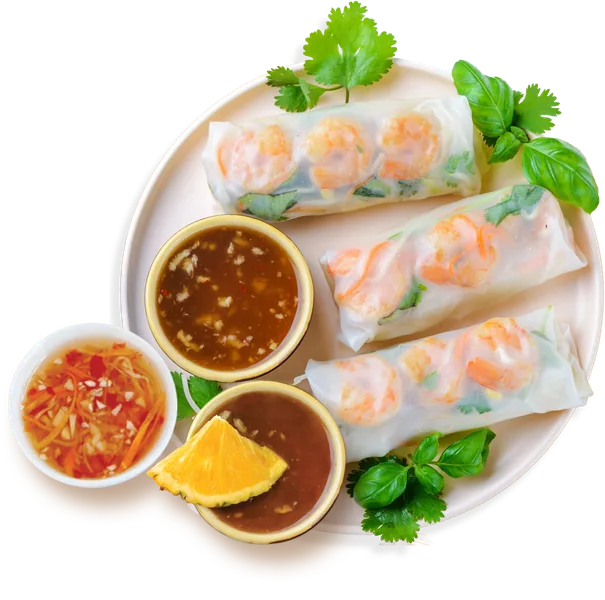
This guide walks through each step in detail: how to soak it, how to roll it, the mistakes that usually cause tearing, and a few ways to use rice paper beyond the familiar fresh spring roll.
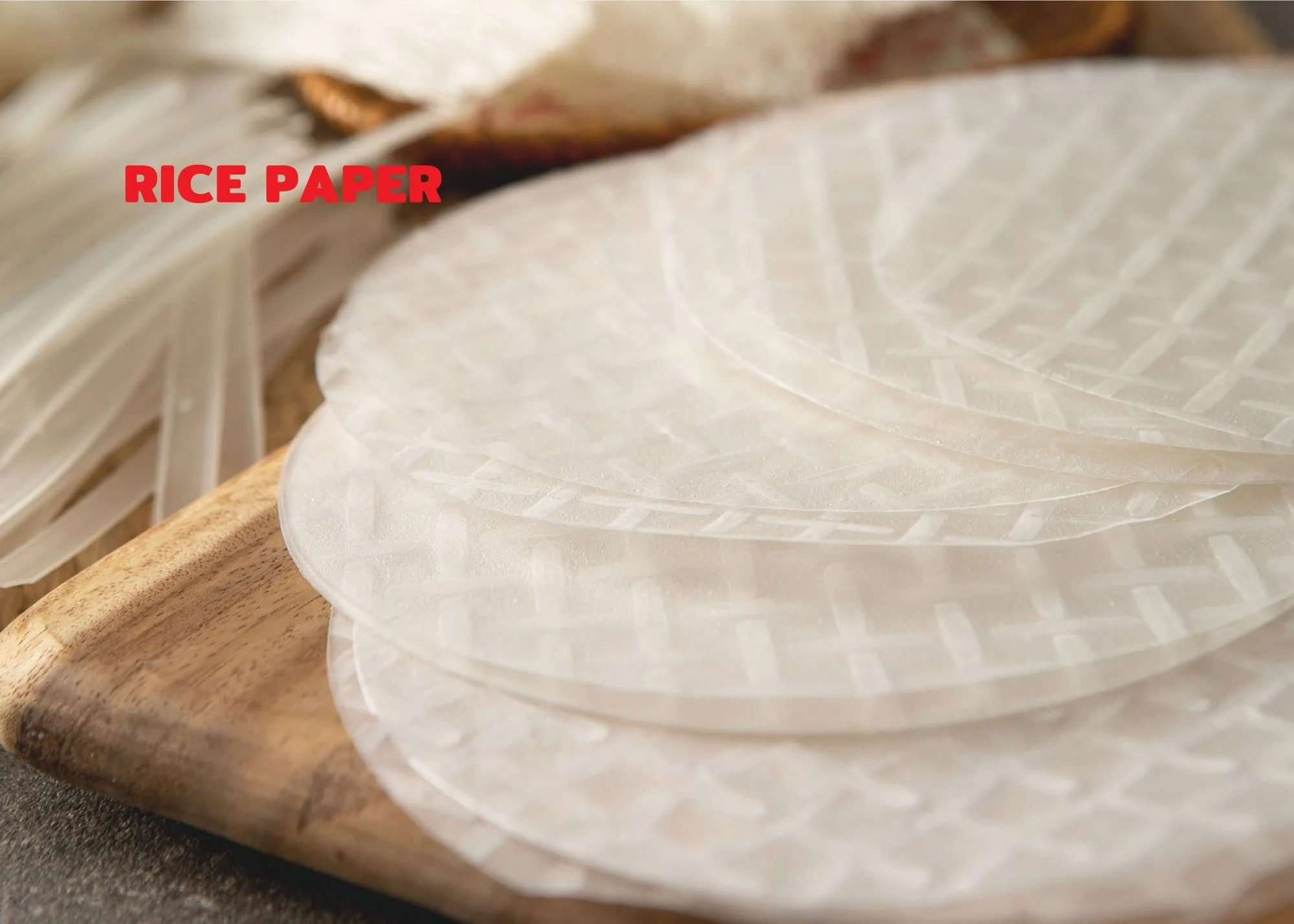
Before You Start: Choosing the Right Type of Rice Paper
Not every type of rice paper works for every dish, and picking the wrong one is often the reason a dish fails from the very first step.
How Rolling Rice Paper and Frying Rice Paper Differ
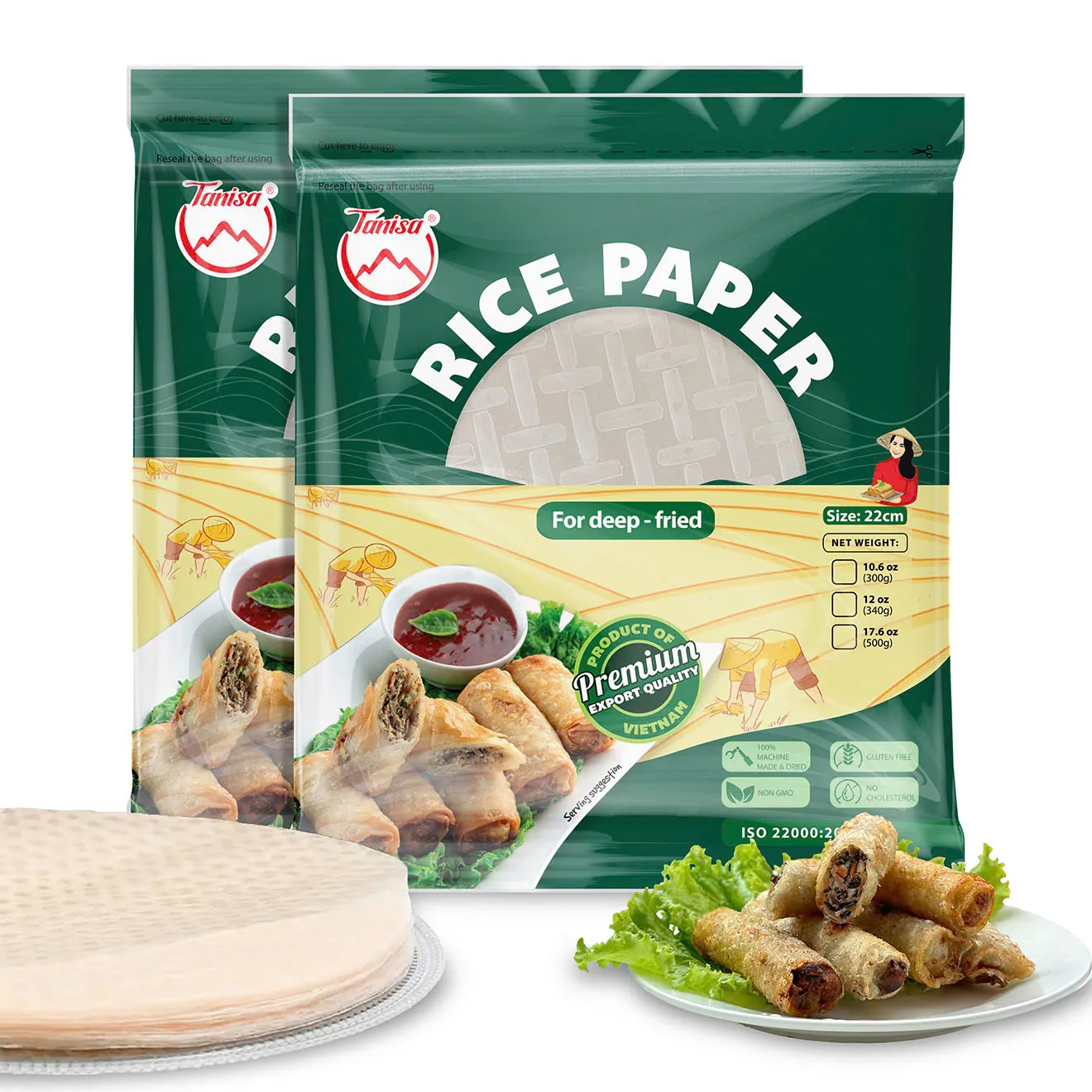
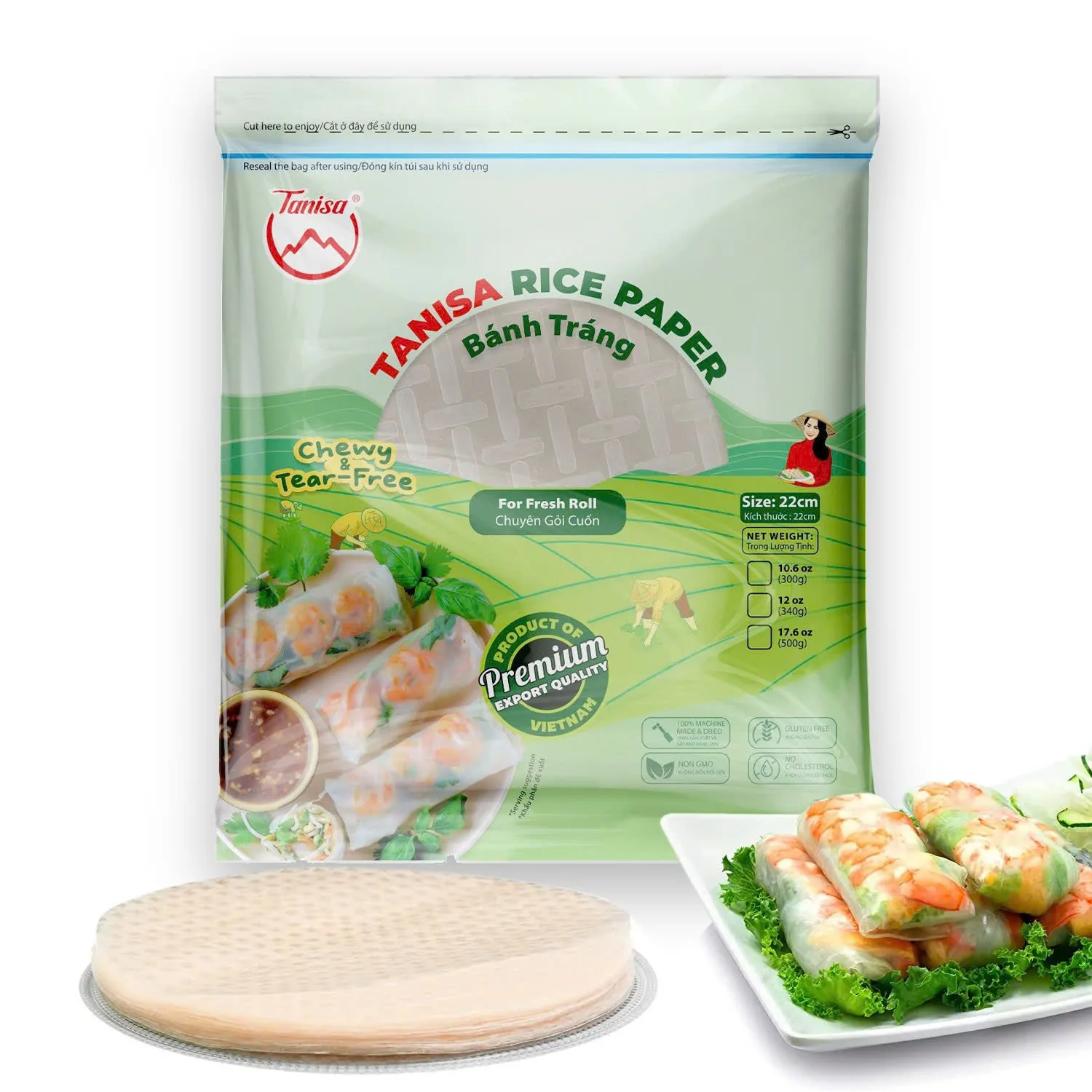
Rice paper made for rolling usually has a higher ratio of tapioca starch to rice flour, which is why it turns soft and pliable in water, exactly what a fresh roll needs. Rice paper made for frying is the opposite: a higher ratio of rice flour, which lets it crisp up in hot oil instead of turning chewy or sticking to itself. Check the type printed on the packaging before buying. Using rolling-type paper for frying usually leaves it chewy or unevenly browned, while using frying-type paper for rolling makes it stiff and hard to fold.
What to Prepare Before Dipping the First Sheet
A bowl or plate of cool water, wide enough for a sheet to lie flat when dipped. A clean towel or a flat plate to set the sheet on once it has softened. And every filling fully prepped and within reach, because once rice paper gets wet, it won't wait for anything.
How to Soak Rice Paper Without Tearing It
Use Cool Water, Not Hot
Many people assume warm water softens the paper faster, but in practice hot water makes the sheet thinner, weaker, and stickier to work with. Cool water, or water at room temperature, gives you better control over how soft it gets.
Time It by Feel, Not by Counting Seconds Mechanically
Dip one sheet at a time. Around five to ten seconds is usually enough, just until the edge turns translucent and starts to go slack. If a sheet already feels fully limp while it's still in the water, lifting it out even a few seconds later may cause it to tear the moment it hits the plate.
Let the Sheet Keep Softening on the Towel
Take the sheet out while the center still feels slightly firm, and lay it flat on the towel. It will keep softening for another fifteen to twenty seconds while you add the filling. A lot of beginners skip this step and leave the sheet soaking in the bowl until it's completely soft, and that's exactly what causes it to tear before it's even rolled.
How to Roll Rice Paper Properly, Without Tearing
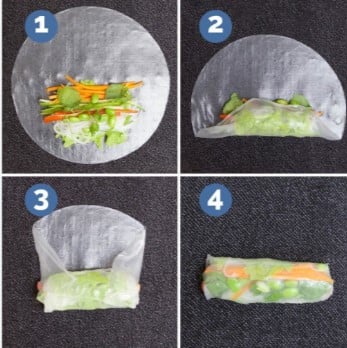
The Basic Fold
Place the filling slightly below center rather than right in the middle, leaving an even margin on every side. Fold the bottom edge up over the filling, fold in both sides, then roll forward, using the towel underneath to control the tension instead of pressing down hard with your fingers.
Why Rolls Tear, and How to Fix It
There are two main causes. Too much filling forces the sheet to stretch past what it can handle, and spots that didn't soak evenly stay stiff and crack when folded. For your first few attempts, use less filling than feels right. For anything with sharp edges, like dry rice noodles or stiff herb stems, wrap them in a lettuce leaf first, so the rice paper only has to wrap around something smooth. Using two layers of rice paper instead of one also helps when you're still learning, or for rolls that need to survive being packed and carried.
How to Cook Rice Paper Beyond Fresh Rolls
Deep-Frying the Traditional Way
Traditional fried spring rolls use frying-type rice paper, briefly soaked, rolled tight, then fried in oil until the surface blisters and turns a deep golden color. The higher rice flour ratio in this type is exactly why it doesn't turn gummy in hot oil the way rolling-type rice paper would.
Using an Air Fryer or Oven for a Lower-Oil Snack
For a crispy, lower-oil snack, soak the sheet briefly, around twenty seconds is enough so it holds together while being cut. Season it lightly, lay the pieces flat without overlapping, then air fry at around 175°C (350°F) for two to four minutes, until the edges curl and turn golden. Overlapping pieces or soaking too long are the two most common reasons the result turns out chewy instead of crisp, since trapped moisture steams the sheet rather than letting it crisp up.
Dry Heat, No Water: Grilled Rice Paper (Bánh Tráng Nướng)
Vietnam has its own way of cooking rice paper that skips water entirely. Bánh tráng nướng, a dish foreign visitors often jokingly call "Vietnamese pizza," is grilled directly on a charcoal rack or a hot pan while completely dry, then topped with egg, scallion oil, and dried shrimp as it crisps up. This method only works with thin, frying-type rice paper. Rolling-type rice paper will burn before it has a chance to crisp evenly.
A Few Other Ways to Use Rice Paper Worth Trying
Using It as a Tortilla Substitute
The folded tortilla trend that once spread widely online also has a rice paper version, where people soak a sheet until soft to use as a low-carb, gluten-free wrap, then fold and pan-sear it the same way. The final texture ends up closer to a crepe than a tortilla, but it holds its fold just as well.
Using It in Place of Noodles or Dumpling Wrappers
Soaked and cut into strips, rice paper can stand in for fresh rice noodles in some dishes. A whole sheet wrapped around a small amount of filling, then steamed or pan-fried, also works as a dumpling wrapper, with a slightly chewier bite than wheat-based dough.
Using It as a Crispy Layer for Desserts
Fried or grilled until crisp, rice paper becomes a light, neutral-tasting layer that pairs well with fruit, cream, or melted chocolate. The texture is closer to a crispy rice cracker than a typical pastry shell, which is why it works for both savory and sweet dishes.
[Internal link suggestion: anchor "rice paper applications around the world" → Rice Paper Applications article]
Common Mistakes When Using Rice Paper (and How to Fix Them)
- Sheets stick together before use: dip and handle one sheet at a time, and keep the rest of the stack away from steam or moisture.
- The roll tears while folding: use less filling, and let the sheet rest on the towel for a full fifteen to twenty seconds before rolling.
- The snack turns chewy instead of crisp: shorten the soaking time, and lay the pieces flat without overlapping when frying or air frying.
- A dry sheet cracks before soaking: that's normal for an unopened pack, not a sign the rice paper has gone bad. Soaking will restore its flexibility.
How to Store Rice Paper Before and After Opening
An unopened pack keeps best in a cool, dry spot, away from moisture. Since rice paper is essentially dried starch, it absorbs moisture from the air if stored somewhere humid, which causes the sheets to stick together or crack at the edges. Once opened, reseal the bag tightly or move the sheets into an airtight container rather than leaving the bag loosely folded. For the exact shelf life after opening, check the instructions printed on your specific package, since this varies by type of rice paper and sheet thickness.
Frequently Asked Questions About Using Rice Paper
How long should you soak rice paper? Around five to ten seconds for fresh rolls, just until the edge turns translucent. For rice paper meant to be cut into snacks, closer to twenty seconds works better, so the sheet holds its shape while being cut.
Can rice paper be used without soaking it in water? Yes. The bánh tráng nướng method grills the sheet while it's completely dry, directly over heat, with no water involved.
Why does my rice paper keep tearing? Usually for one of two reasons: too much filling, or an uneven soak that left part of the sheet still stiff. Using less filling and soaking long enough solves most tearing problems.
Can rice paper that has dried out and gone hard again still be used? A sheet that has dried out after being left out too long can be dipped again once, but it won't be as soft as a fresh sheet and tends to tear more easily. It's better suited to small rolls than large ones.
Can rolling-type and frying-type rice paper be used interchangeably? Not really. The different starch ratios mean rolling-type rice paper turns gummy when fried, while frying-type rice paper feels stiff when used for rolling. Using the right type for the right dish makes the whole process much easier.
All these techniques won't matter much if the rice paper itself isn't consistent, soaking evenly one time and unevenly the next.
A Note on Consistency
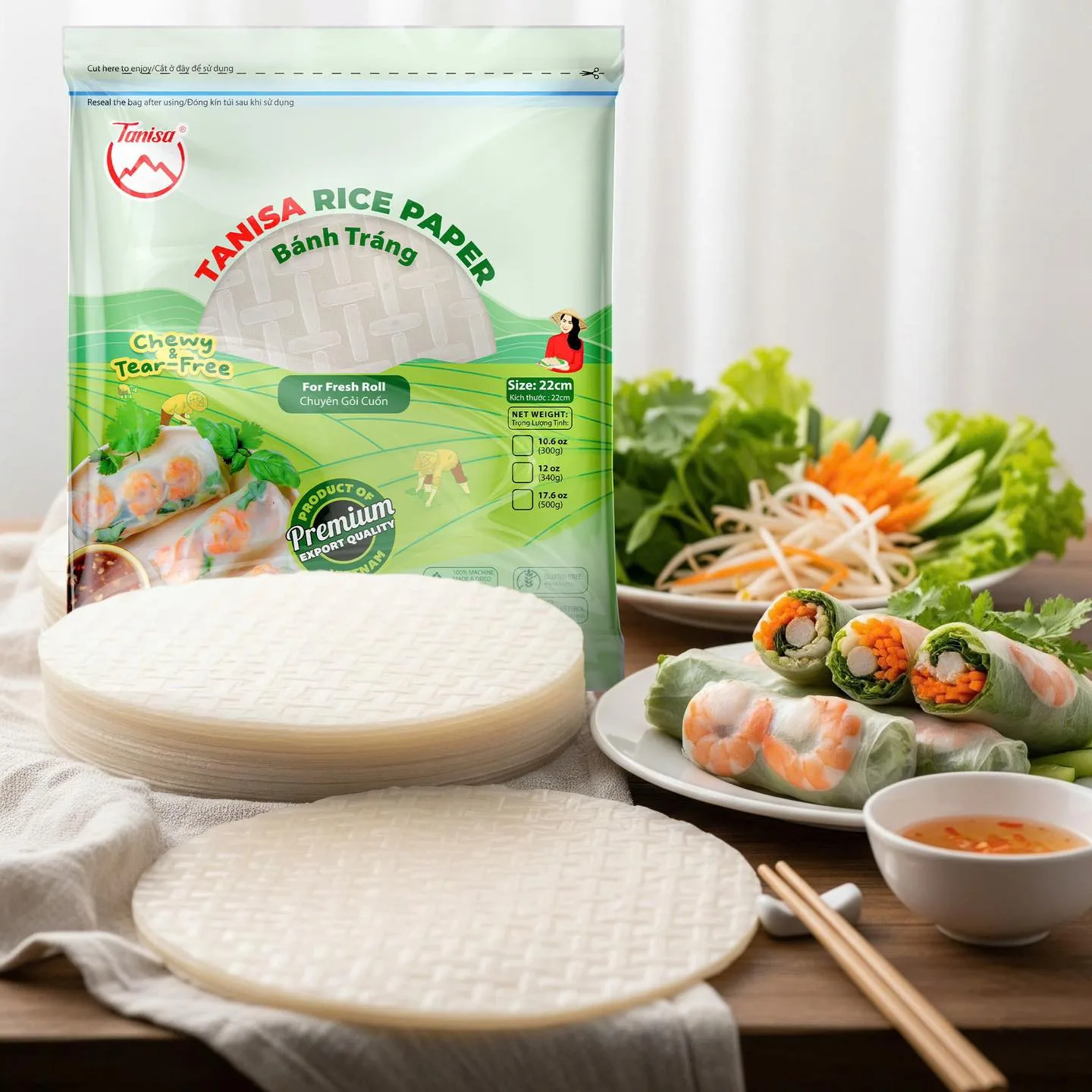
Tanisa Foods produces both rolling-type and frying-type rice paper, certified under FSSC 22000, ISO 22000:2018, FDA, KFDA, and Halal, and currently exports to more than 35 countries.
Tanisa rice paper: chewy and tear-free.
- Thin but strong sheets
- Less waste, better value
- Chewy, easy to roll
- Stays flexible after soaking
- Resists cracking and tearing
- Flexible rice paper
For anyone cooking at home or sourcing for a food business, that kind of consistency is usually what decides whether a technique works every time or keeps failing for no clear reason.
TANISA FOODS JSC, a strong brand in the market for the production and distribution of specialty products (rice paper, rice noodles...) and spices (seasoning) which exported to some countries such as USA, France, South Korea, Japan, Russia, Brunei...
TANISA FOODS JSC
Factory add 1: 188 Lac Long Quan Street, Quarter 3, Tan Ninh Ward, Tay Ninh Province, Vietnam
Factory add 2: Phu Hoa Dong, Cu Chi, Ho Chi Minh City, Viet Nam
Office in HCMC: 18th Floor, Vincom Building, 72 Le Thanh Ton Street, District 1, Ho Chi Minh City, Vietnam
Warehouse in HCMC: 2/3 Binh Gia, Tan Binh District, Ho Chi Minh City, Vietnam
Hotline: +84 938 118 699 (WhatsApp/WeChat), +84 938 198 299 (Zalo)




Email: marketing@tanisagroup.com
Website: www.tanisagroup.com
Facebook: Tanisa Foods JSC
Instagram: @tanisa_foods
Youtube: Tanisa Kitchen

Xem thêm